
Traveling is supposed to open your senses. New food, new smells and new perspectives. Traveling to Africa and the relatively prosperous country of Rwanda, about the size of Maryland, really challenged me. When I am asked about most places like Shanghai, London, Vienna, etc. I almost always unequivocally say I enjoyed it with precious few reservations. But when people ask me “Did you enjoy seeing Africa?”, I don’t know exactly what to say. The experience was amazing yet challenging. Not in the physical sense but rather intellectually and emotionally.
Now I am no great philosopher, but people can visibly see the consternation on my brow as I fumble how to answer. I came back from my African trip initially not sure how much I “enjoyed” it. Seeing the mountain gorillas in their native habitat was enjoyable, yet it was more like a zoo experience simply without the bars. However, viewing the culture of a people with a complex past, vastly different perspective of daily life, and, from my limited perspective, a precarious future left me in a mental fog.
Arriving in Rwanda
Arriving in Rwanda at midnight my perspective of the world didn’t change much. We landed, were picked up in a taxi and whisked to a hotel that could have been any upscale Hilton or Marriot type of property in the US. However, the next day my eyes were about to be pried wide open.
We departed after a nice breakfast buffet, got in our quintessential safari type jeep and was chauffeured up to our hotel near the gorillas. Kigali seemed like any other city but quickly, as we made our way to the suburbs, the western look of the shops and businesses quickly fell to the wayside giving rise to the true Rwanda.
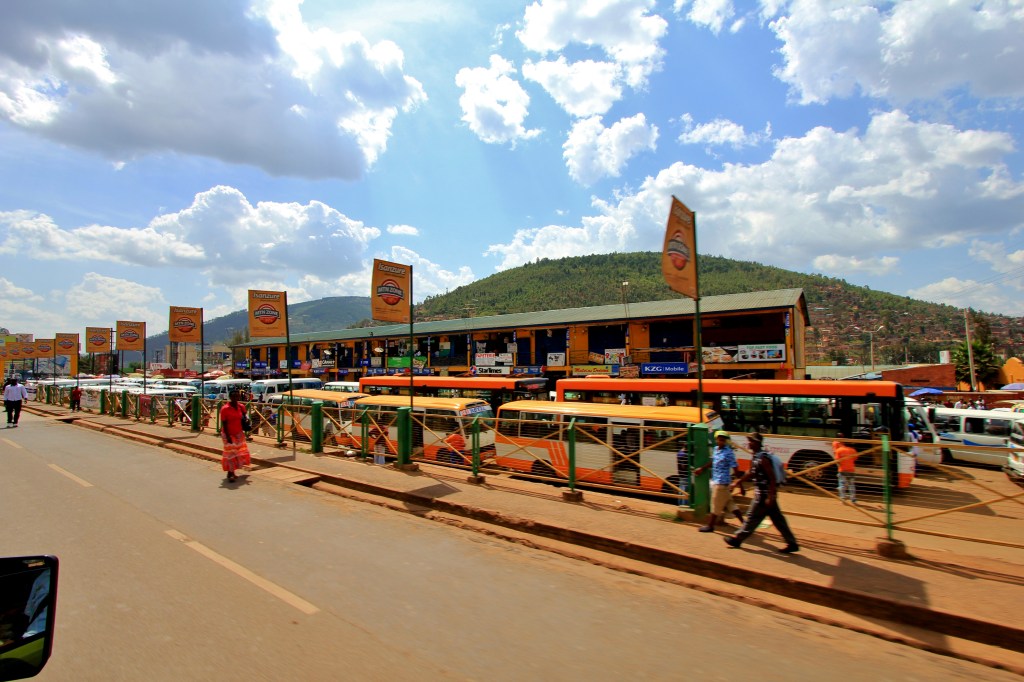

On the outskirts of Kigali
We stopped for a quick break midway to our mountain hotel for necessaries, to stretch our legs and to taste some local food. Roasted potatoes and goat on a stick was the fare of the day. It was indeed tasty.
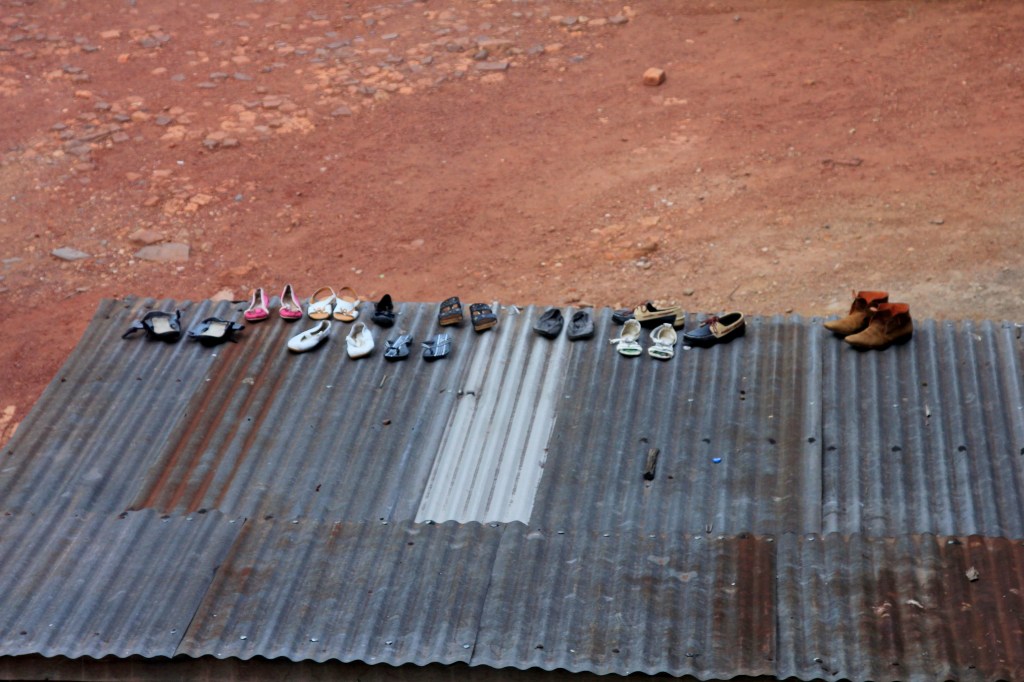
Looking out the window not sure why the shoes were lined up on the roof 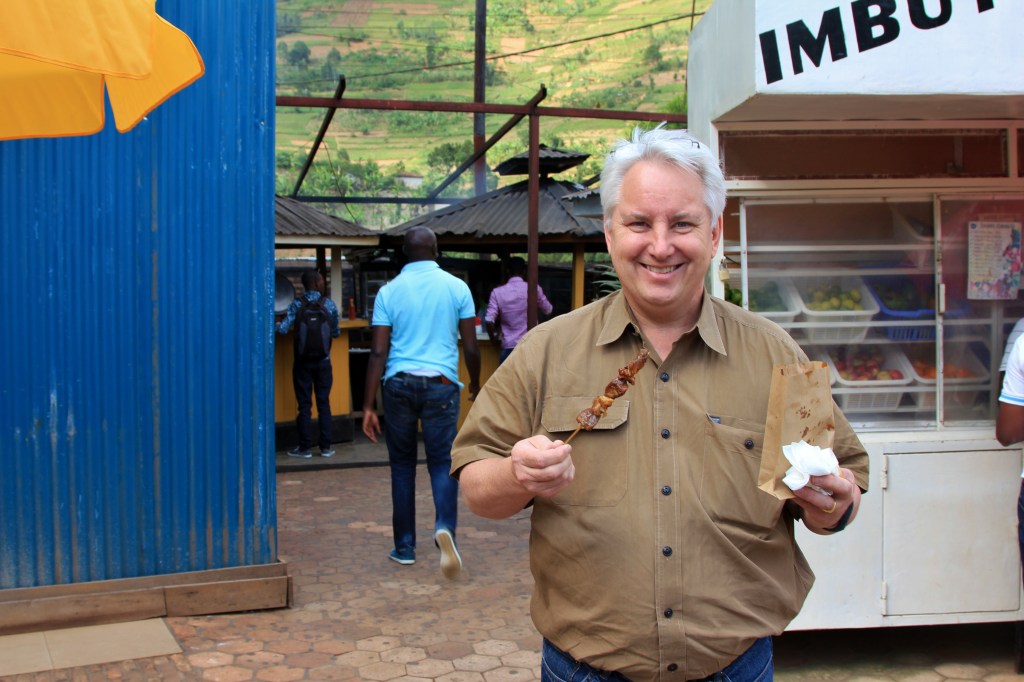
Genocide
While I had heard about the genocide in Rwanda safely eschewed away in Kansas, speaking to our guide brought it front and center. Over a million Rwandans died in the clash between the Hutu and Tutsi tribes with 800,000 dying in 100 days. He was initially reluctant to speak about it as the people of Rwanda have been active at making sure the wounds heal and seeds of any division are quickly stamped out . Our guide, who was around 30 years of age, lost his parents during the genocide as a young teen. He tells of his walking, as a 12-year-old boy, 60 miles across Rwanda to join his Aunt and Uncle in neighboring Uganda. He said that his was not a unique story. However, rather than focusing on the painful past he, like many Rwandans, look to a brighter future.

I am now in my 50’s and, while I went grey a bit early thanks in part to my father’s genetics, I now have earned much of my grey hair. Looking around the streets in Rwanda, I saw very few old people. When asked about this, the guide gently reminded us that many people of my generation were killed during the genocide and those that fled to nearby countries don’t have the means nor desire to move back. Indeed, with the average age in Rwanda is a youthful 20. From my perspective it seemed Rwanda was moving to a crossroads. I started to mentally mull over questions. Will the youth lead the way to the future? How easily could the youth be misled by an ill placed older leader? Or is President Kigame with his anti-corruption mantra and strong leadership taking Rwandans to heights that many other African countries only wish to achieve?
More Dissonance
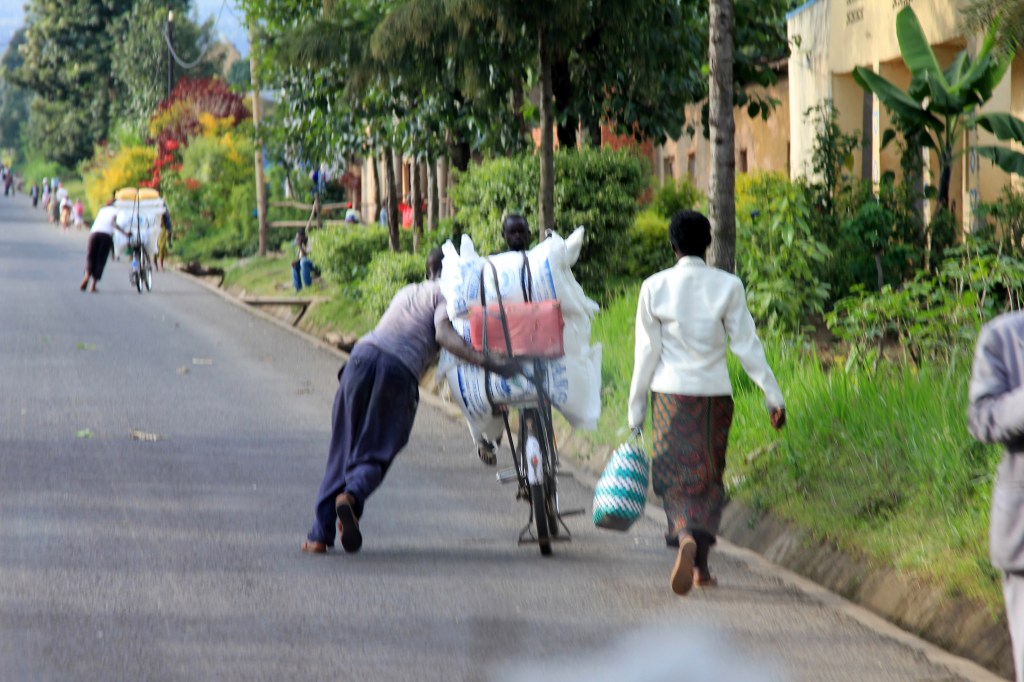
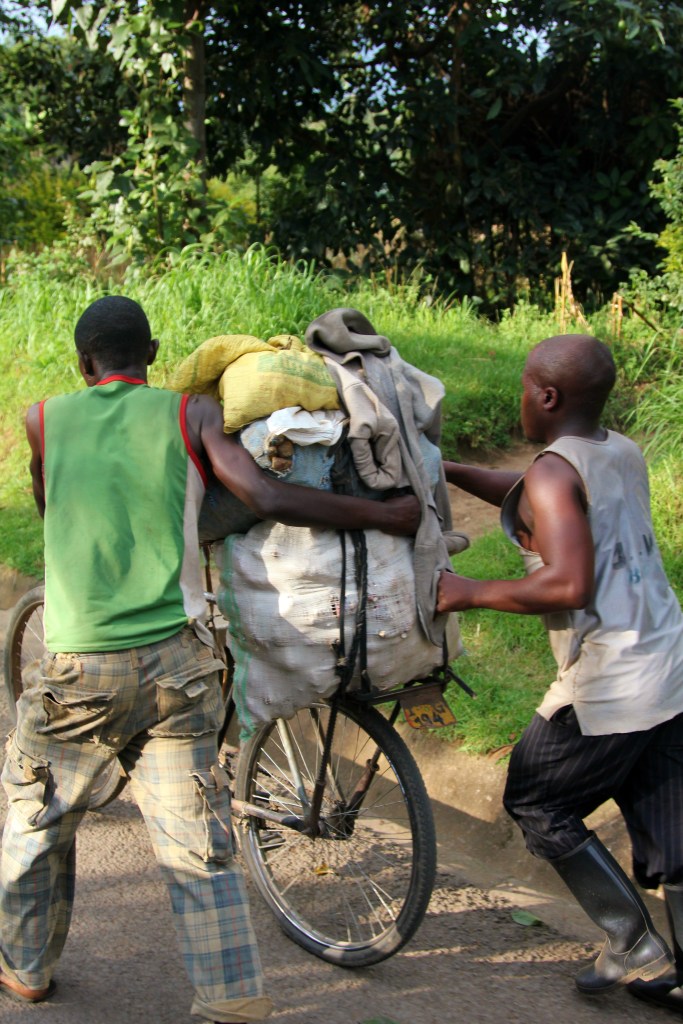
Making our way up the mountain roads I see people walking everywhere, and a few men on bicycle grab a hold of a slower moving truck to help pull them up the mountain. Many people and kids were carrying 3-5-gallon jugs with them. I quickly learned that in that region there is no running water for the family home; therefore, they walk daily to the spring or water station to fill up their jugs for the days needs.

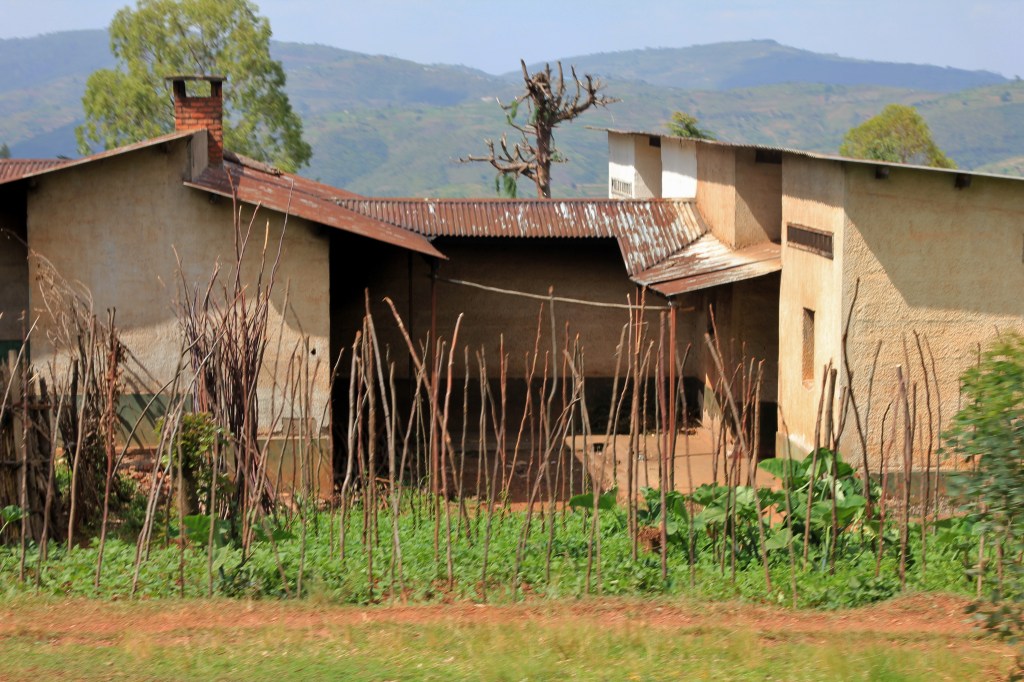
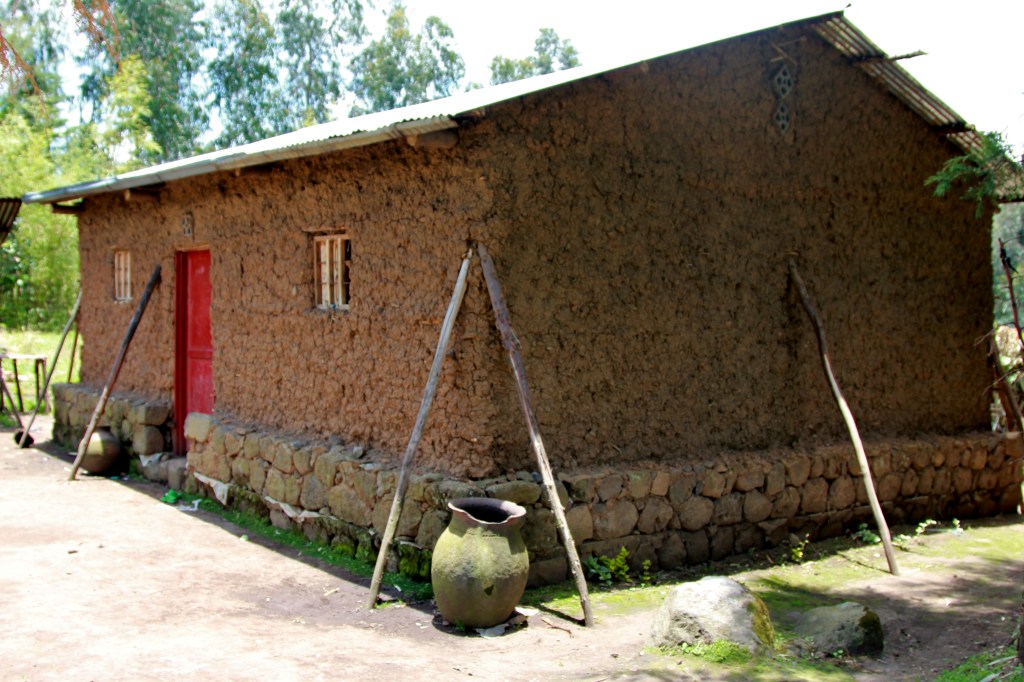
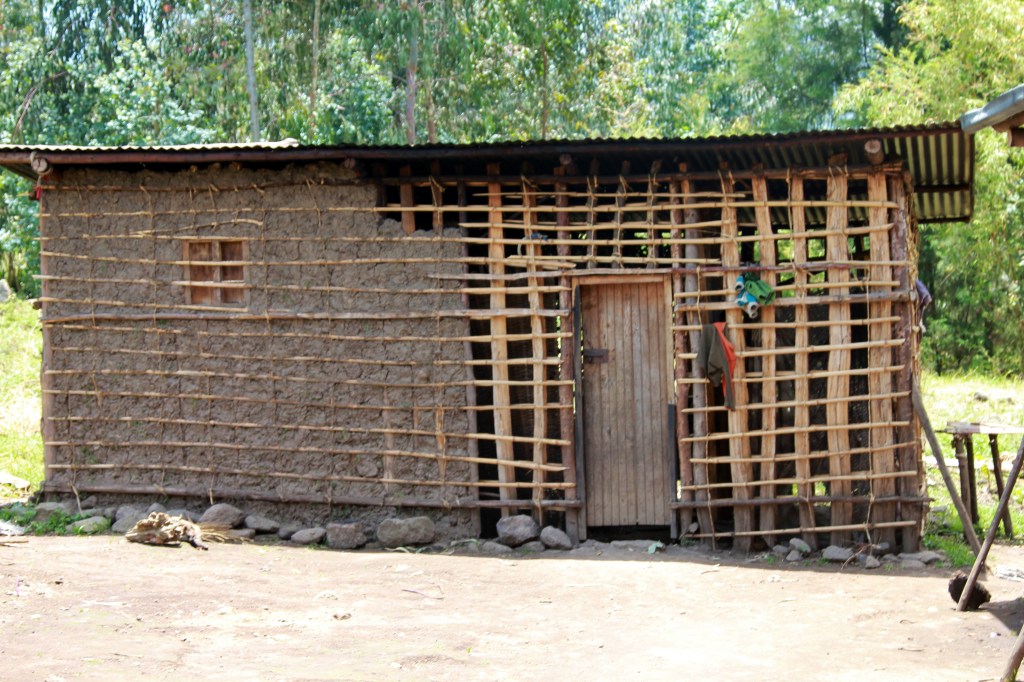
Looking at the nearby homes I also saw many with smoke oozing and sneaking out of the gaps in the roof. These homes were the norm and to me were little more than our early log cabins or sod homes. Surely, things had progressed, but no, most only had hardened earth floors, adobe walls and with tin or clay tiles for a roof. The kitchen in most of these consisted of a charcoal burner area on which the meals were cooked. We aren’t in Kansas anymore Toto.
Faces of Rwanda
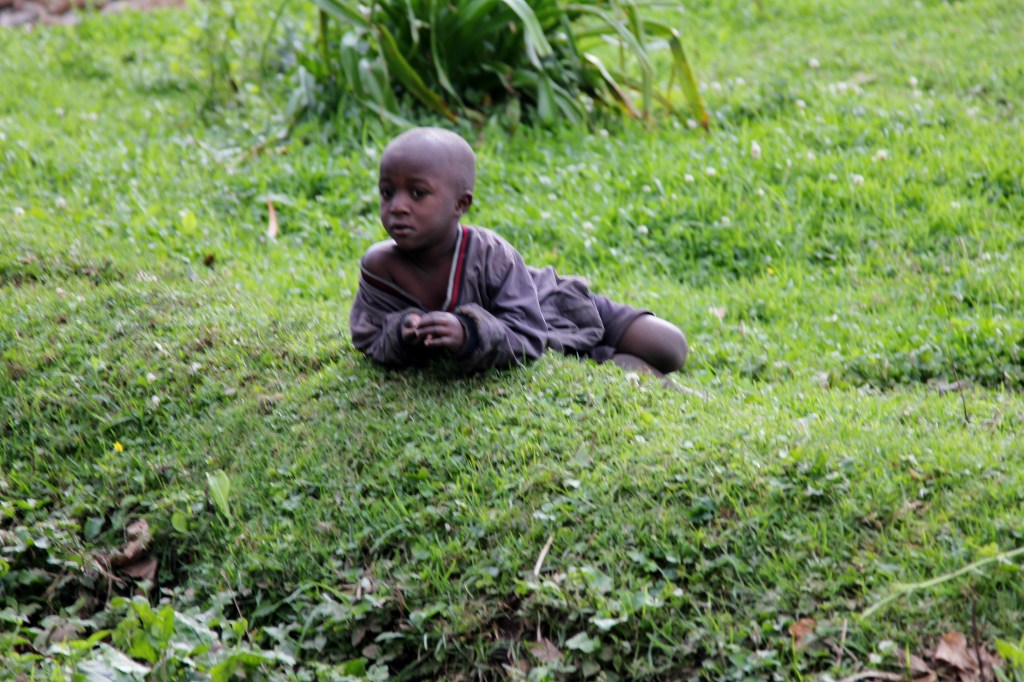
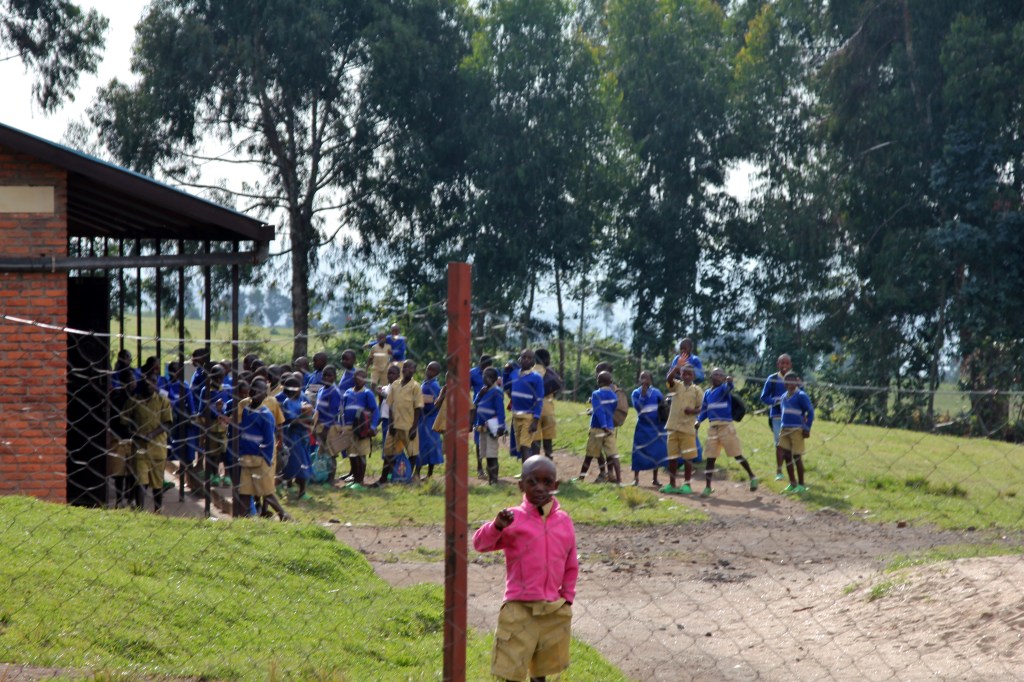
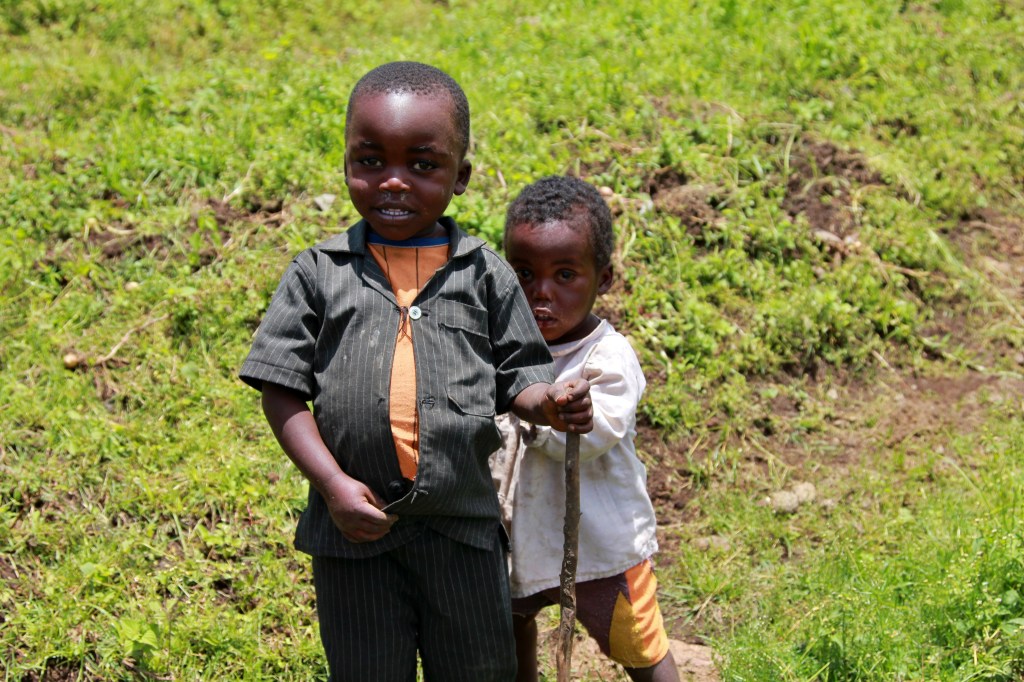
Rwanda has been blessed with extremely rich volcanic soil which allows almost any dropped seed to flourish. In the lowlands sweet potatoes are grown as a major crop, while in the mountains Irish potatoes are being cultivated everywhere. Situated near the equator the growing season is year-round so the Rwandan people enjoy an abundance of food when compared to other African countries. Given this, we only saw happy robust kids playing and adults living life with their “relative abundance”.

Cleaning the roads
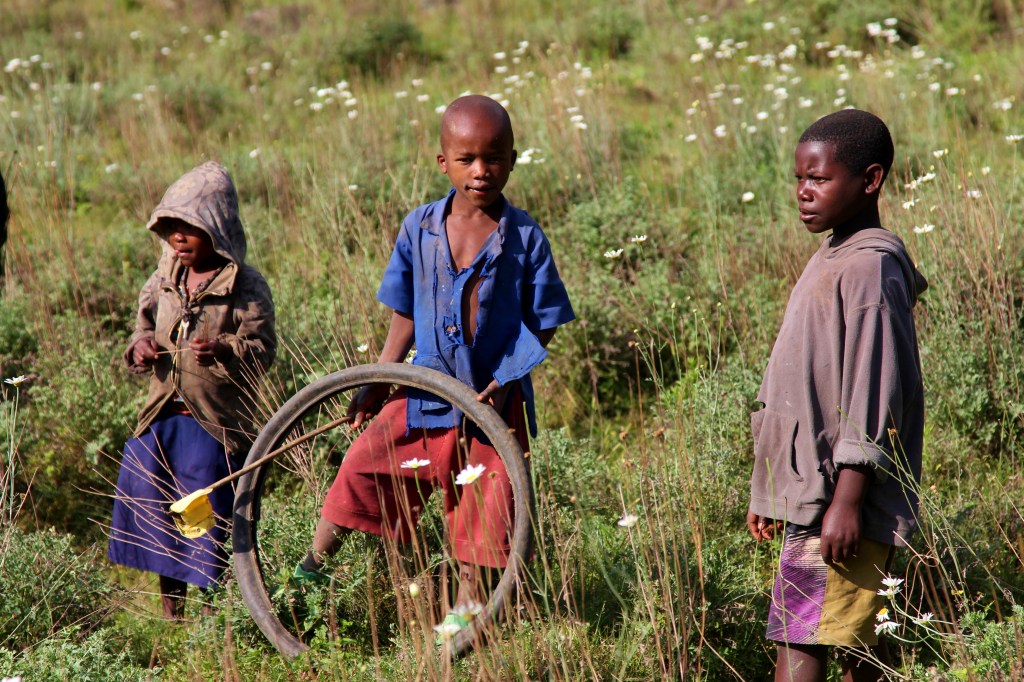
Almost everywhere we went we were greeted with warm smiles and exuberant waves from the children. Kids were enjoying their childhood. One couldn’t help but smile back at the enthusiasm we saw and their joy of life. Most Rwandans have jobs even if it is sweeping the roadsides and keeping the countryside clean. Plastic bags, so ubiquitous here, are banned in Rwanda.
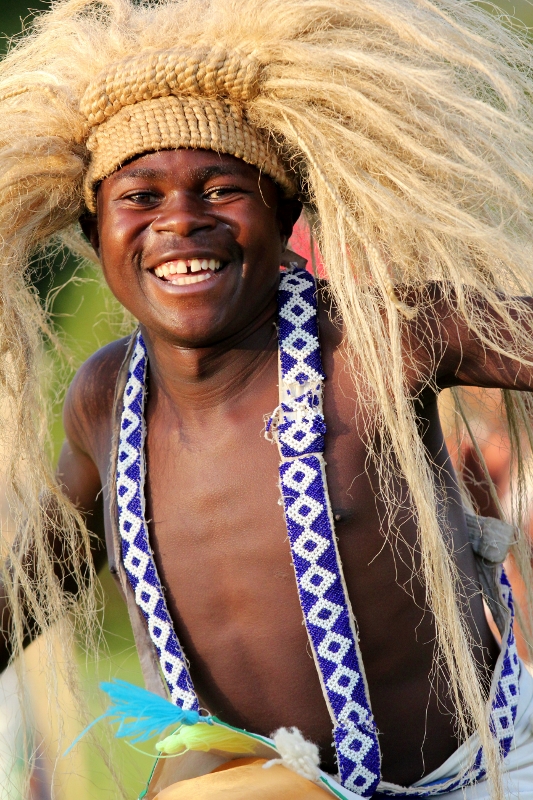
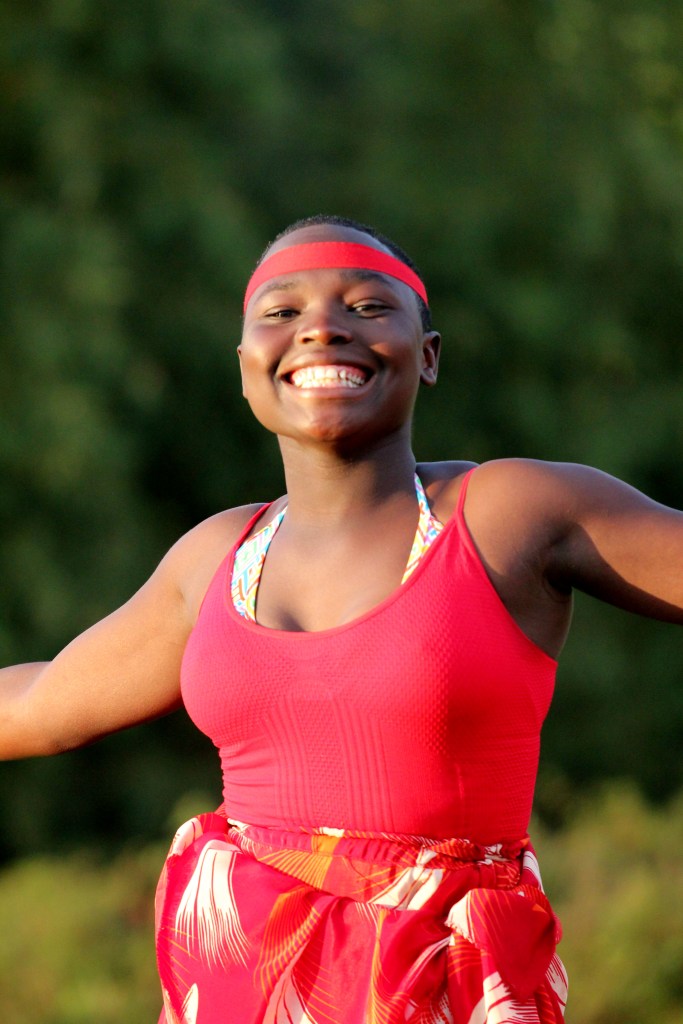
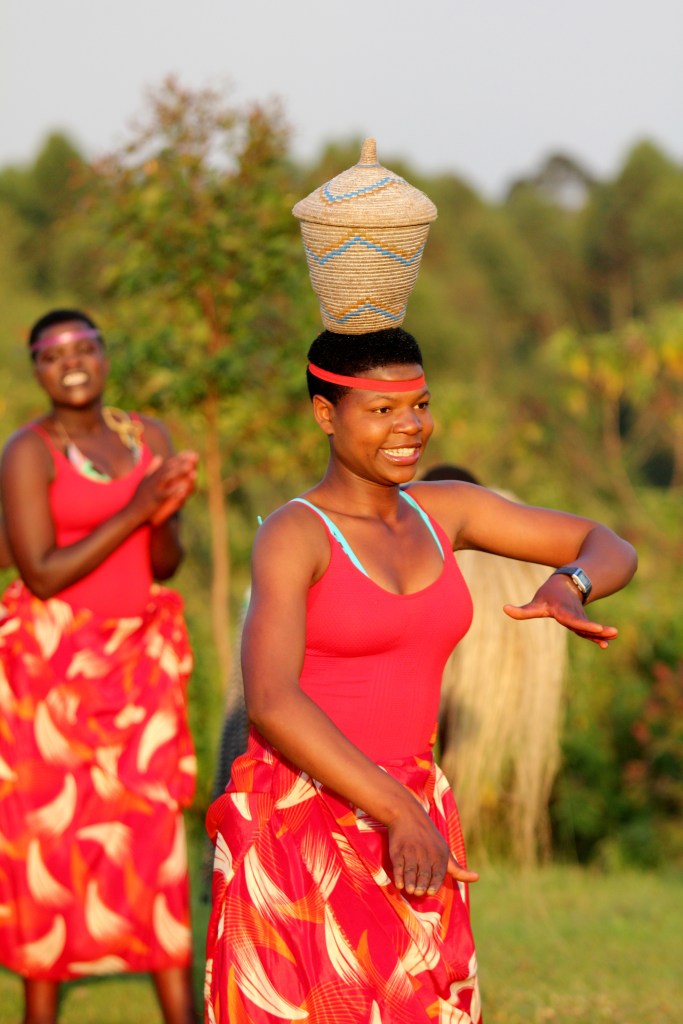
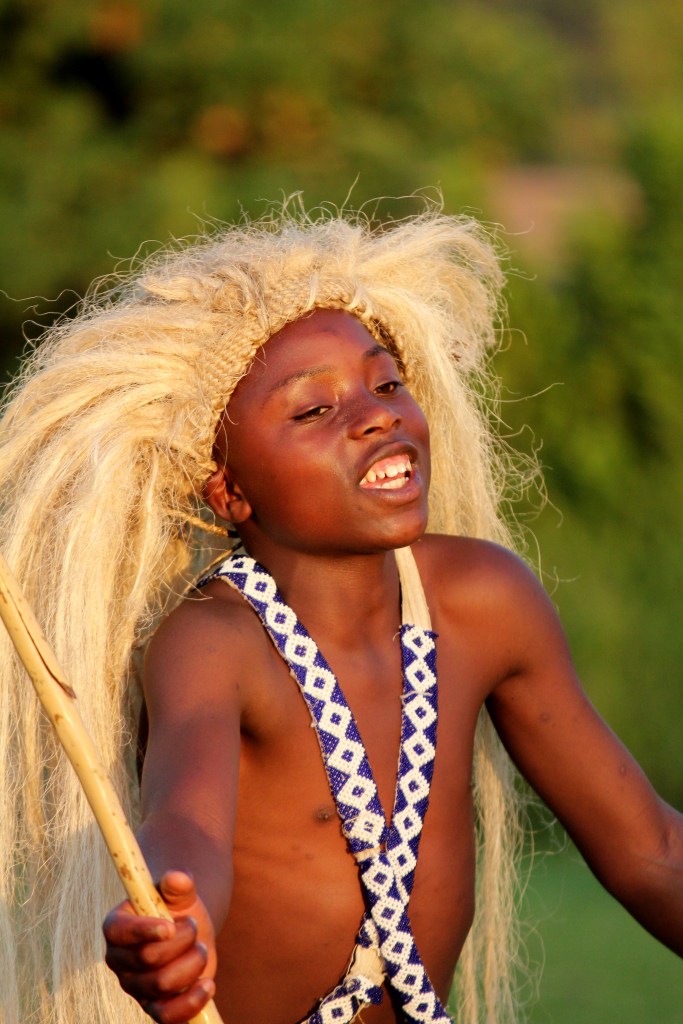
One particularly memorable event was when a group of teens from a local school came to our hotel and provided us with some historical dances. Their enthusiasm and energy were boundless. They are truly the face of Rwanda’s future.

First World Problems
The other day my daughter screamed to her sisters to not stream so much data and that the others were hogging all the WiFi. Sounds normal for a US household, but I wish they could have come with me to Rwanda to see how much we are truly blessed.
Most people don’t have a personal car, let alone two or three. They walk everywhere. Bicycles are not something your ride for a leisurely workout or for fun, but a workhorse tool for moving potatoes from the fields to the main highways. There are almost no mailboxes and FEDEX doesn’t deliver. Kids are happy to simply push an old inner tube down the street with a friend and not incessantly complaining about not having the latest iPhone. We need to appreciate more and complain less.

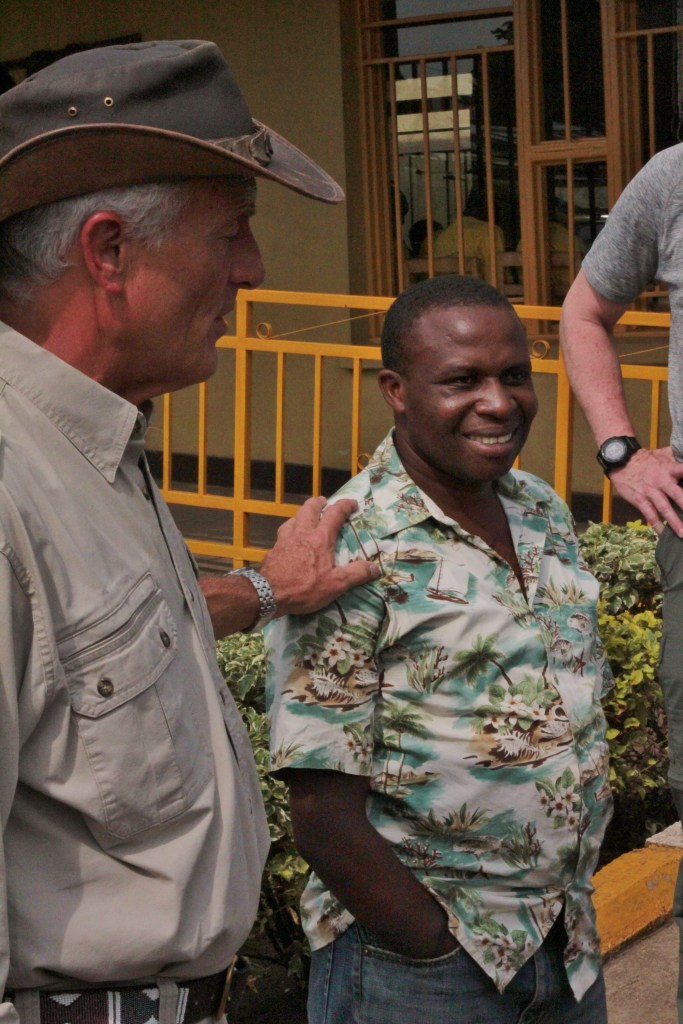
Quickly my viewing and photographing the people of Rwanda made me grow more and more uneasy. It soon felt wrong. I was here to photograph the gorillas not to be a voyeur, dropping in from the US, taking pictures of the native people from the comfort of our modern jeeps. One particularly strange episode was when we were riding to Goma to see an orphanage that Jack Hanna supports. Along the way we paused, and once again, saw the abundance of Rwanda with people bundling up huge sacks of carrots for the market. I looked and saw no processing machinery nor stainless steel tables, but rather lots of manual labor. Soon the photo opportunity was over and we arrived in Goma to have our buffet lunch at a western style hotel, chaffing dishes keeping the food warm as we ate at our white linen draped tables. What a farce. The haves and have not, we were eating our meal in a fairy tale, while the real Rwanda lay only a few meters away.
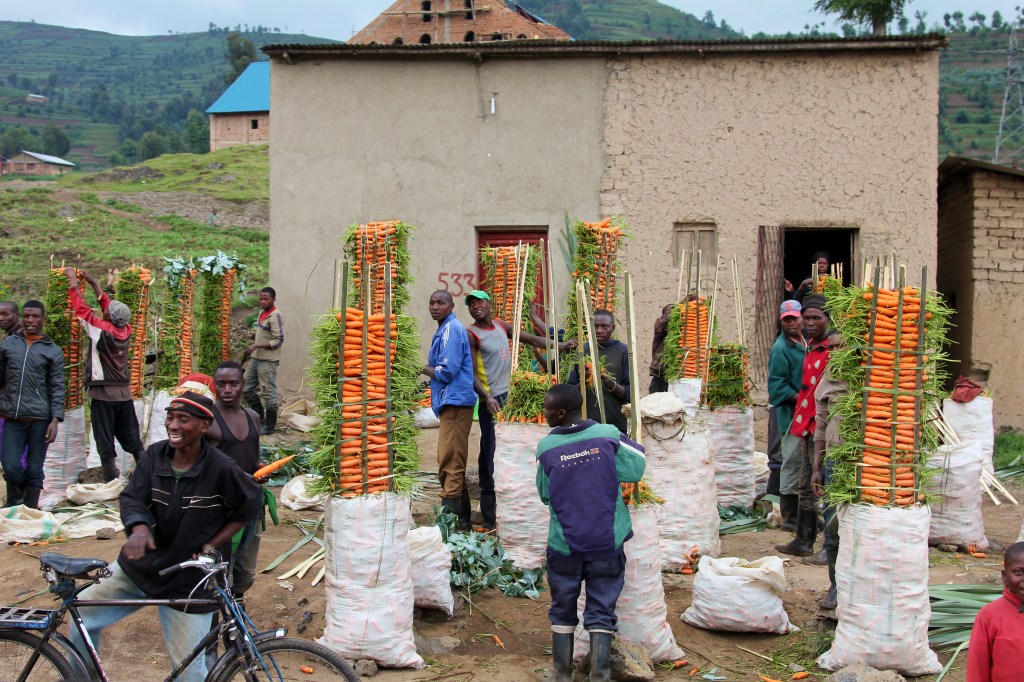
Carrots galore 
Orphanage/School
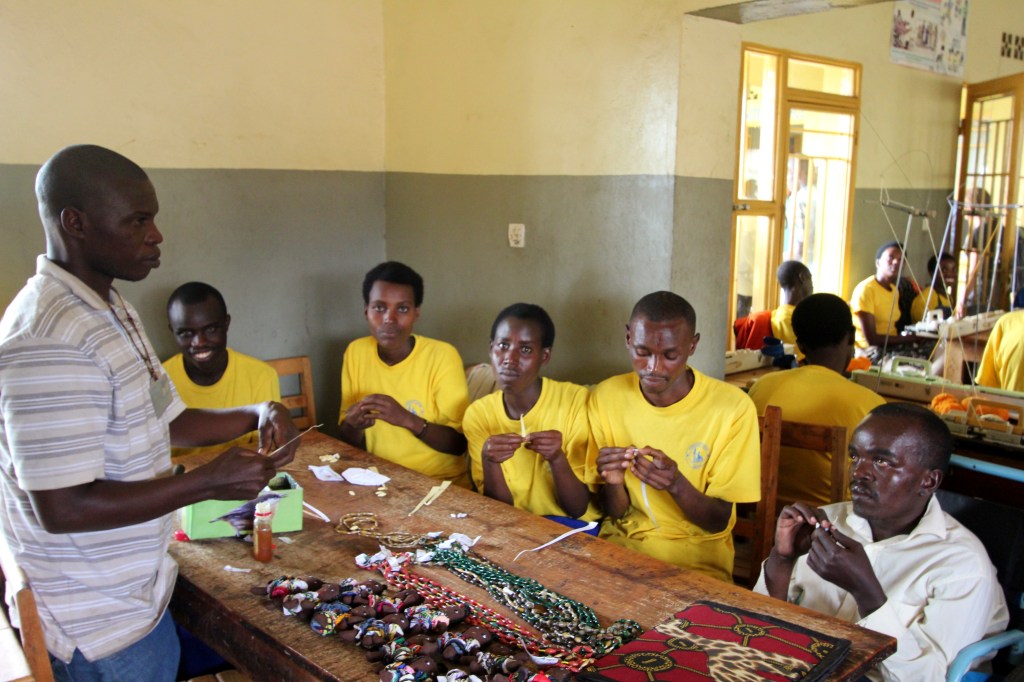
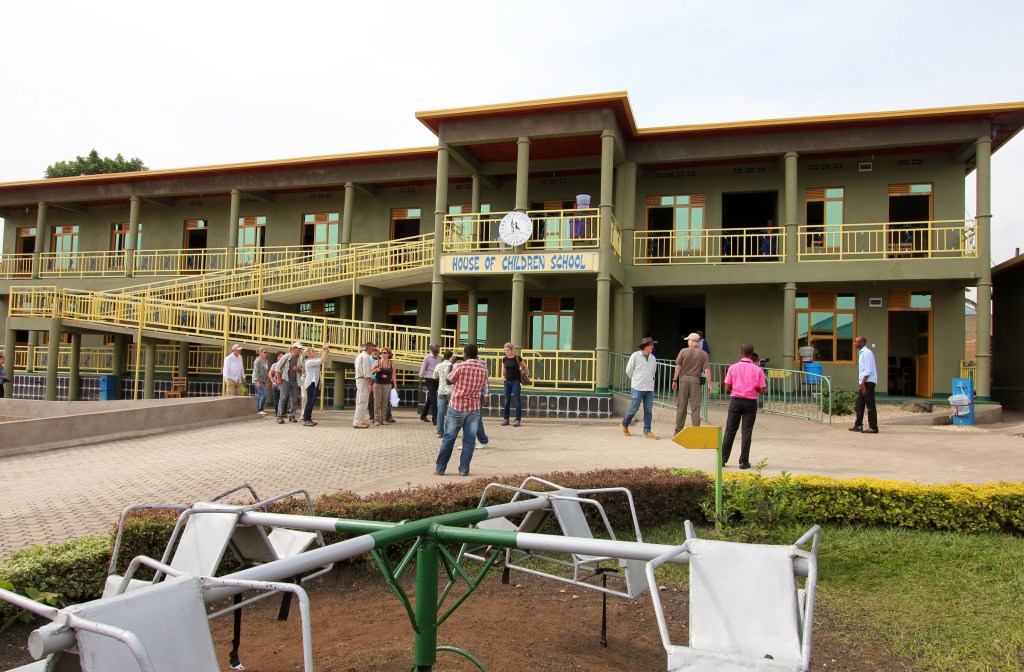
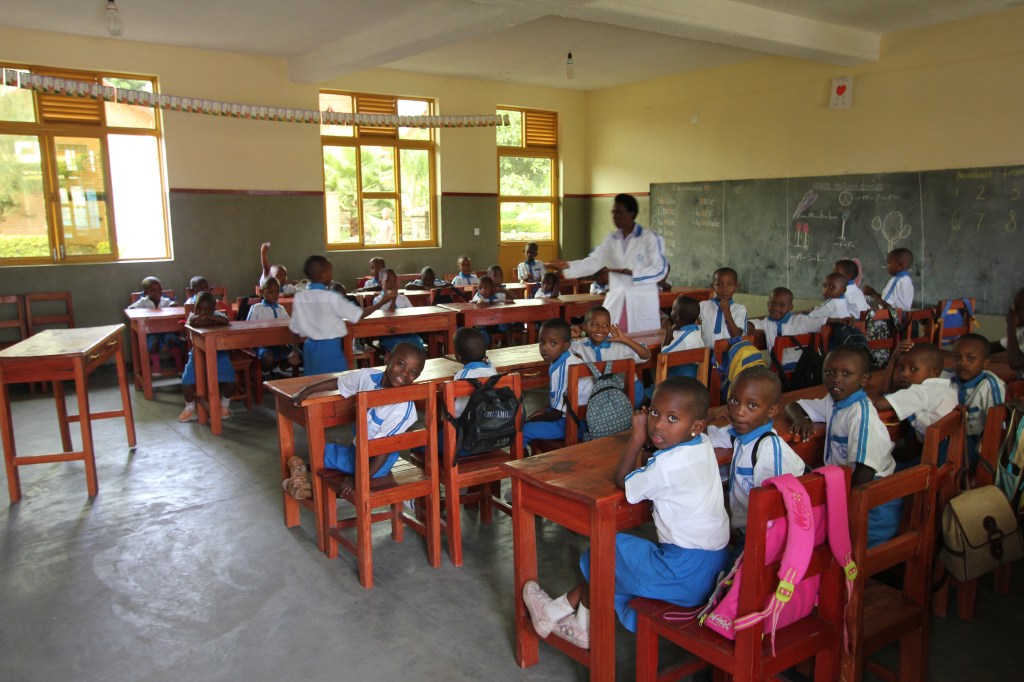
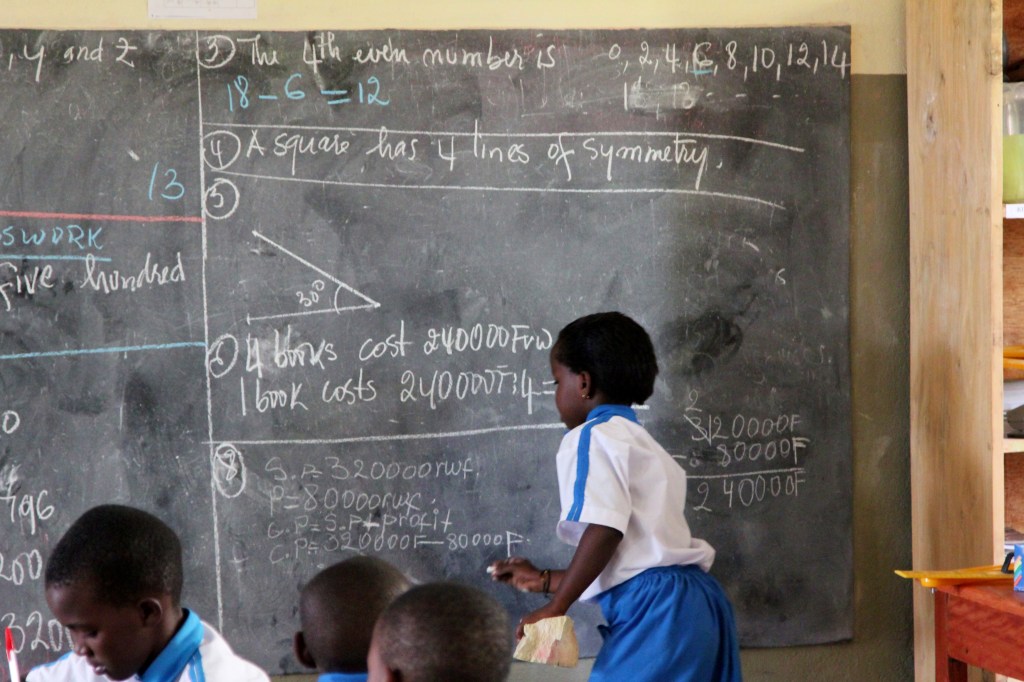
We arrived, after lunch, at the orphanage/school. Literally in the middle of nowhere and within a mile of the dangerous Democratic Republic of the Congo. It was a school like no other. Ran by Fredrick, the school teaches over 200 local kids the same type of curriculum as I see in the US, but they also learn 2-3 languages. Likely, many of these kids will far exceed their parent’s education level. They WANT to go to school and are enthusiastic learners. Fredrick also has many students with disabilities (likely not the politically correct word). At the school, these children and adults have a place to go to learn and interact with peers that otherwise would be unattainable if not for the school.



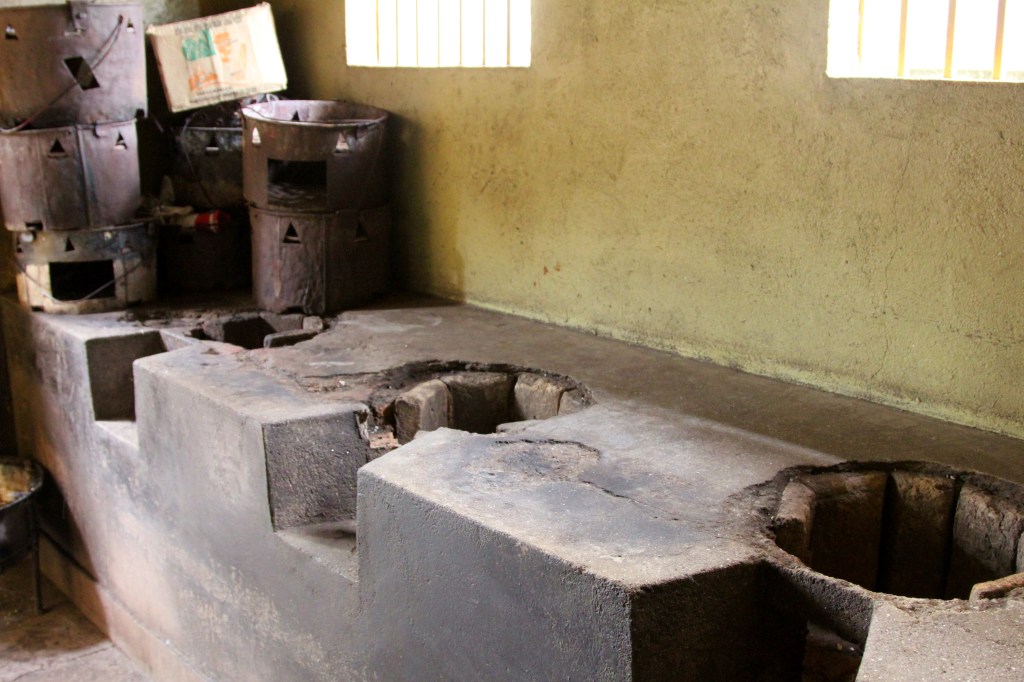
This is your stove 
Fredrick lost both of his hands mid-forearm as a young man when a rival tribe member took a machete to them and left him for dead. He has since met his assailant and has forgiven him for the act. He told us the school is his calling and works incessantly to help the students. I was amazed by the kitchen, where they cook lunch for over 200 kids daily over 3 charcoal pots. I don’t think any US consumers are likely to trade just yet.
Lasting Memories
I think the right word for me was “conflicted”. It was hard to be confronted with the status of prosperous Rwanda and realize that much of it could be similar to the US in the 1800’s. I saw no tractors but rather many Rwandans hoeing the fields manually. Most of the vehicles in the rural areas were trucks used to move commerce and goods up and down the mountains. Goma on the Rwandan side had a 3-4-star resort yet less than a mile away we were told not to photograph the Congo’s border guards as they could snatch us and dispose of our cameras (and maybe us). I worry too that without more opportunities the newly educated and enthusiastic youth may not be happy with following their parents hoeing the fields. President Kigame promised Rwanda to only serve two terms and not be a dictator for life, like many African countries endure; however, after 2 terms the constitution was re-written to allow for him to continue serving. This continued tenure is not without distractors but he is generally beloved as the founder of the post genocide Rwanda. The range of emotions and thought I had during this trip far exceeded any other.
Leaving for Home
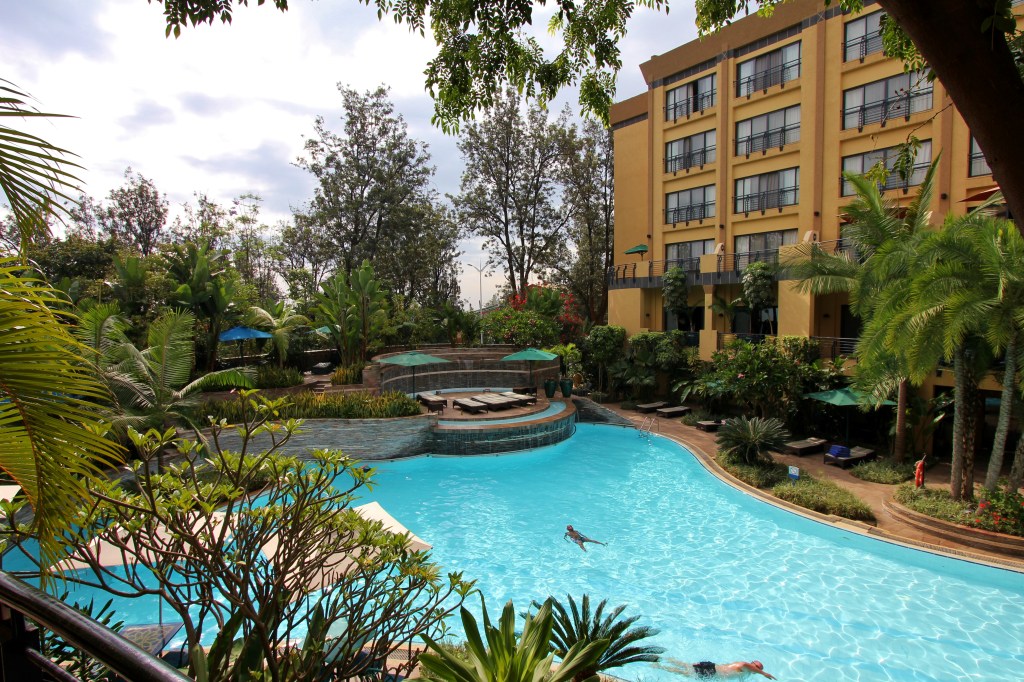
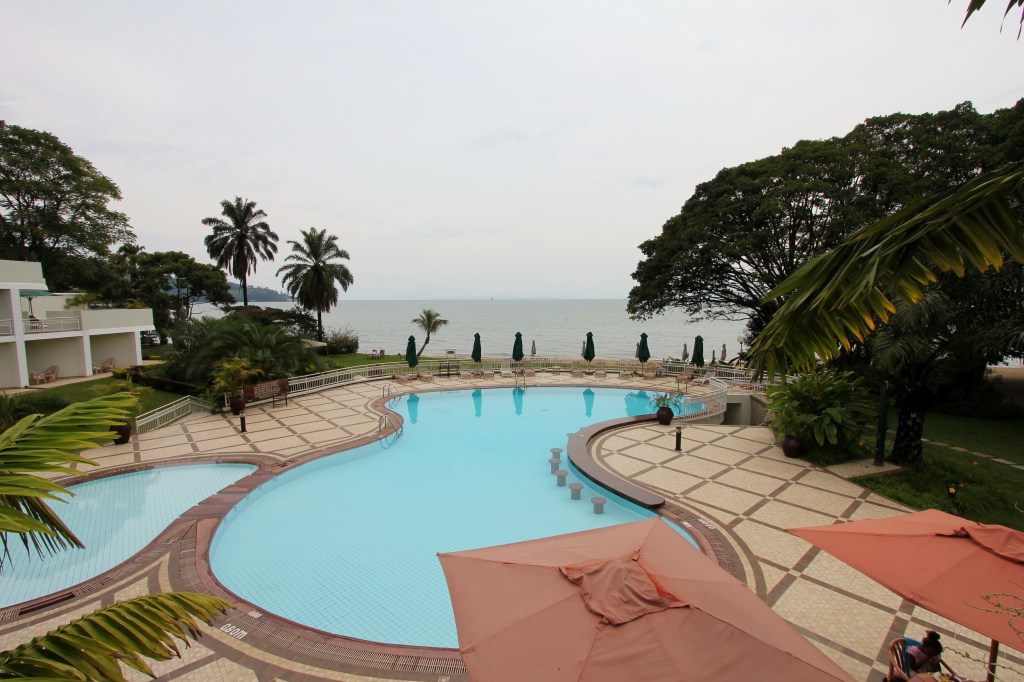
On the way down the mountain I was looking forward to home. Getting back to Kigali our guide shared his broadband WIFI hotspot with us and we were reconnected to the western world. If I hadn’t experienced enough emotional conflict, I was yet to experience another. Lunch this final day was outside by the pool at Hôtel des Mille Collines, aka Hotel Rwanda. Seeing the movie in my mind and juxtaposing it with my current visual was surreal. Flying out at 8 pm, I relaxed in my seat and reflected of the new friends I had made and knew I just had the most impactful travel experience of my life.

Hotel Rwanda 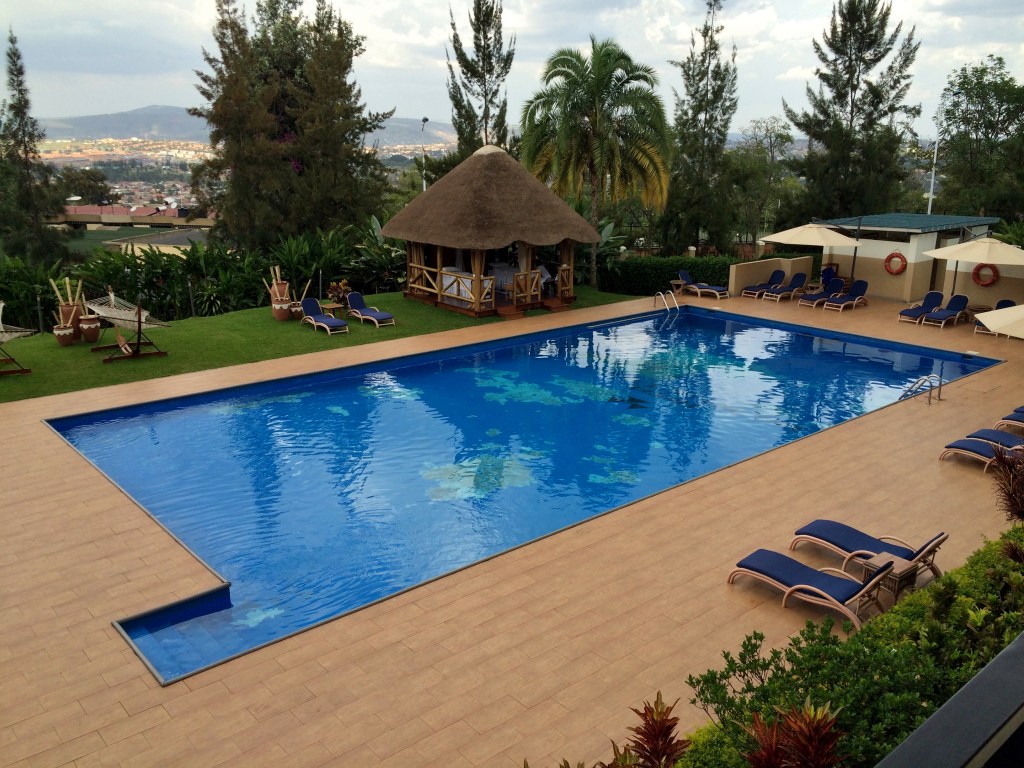
Pool used for drinking water during the genocide 
Rwanda Safari Dinner 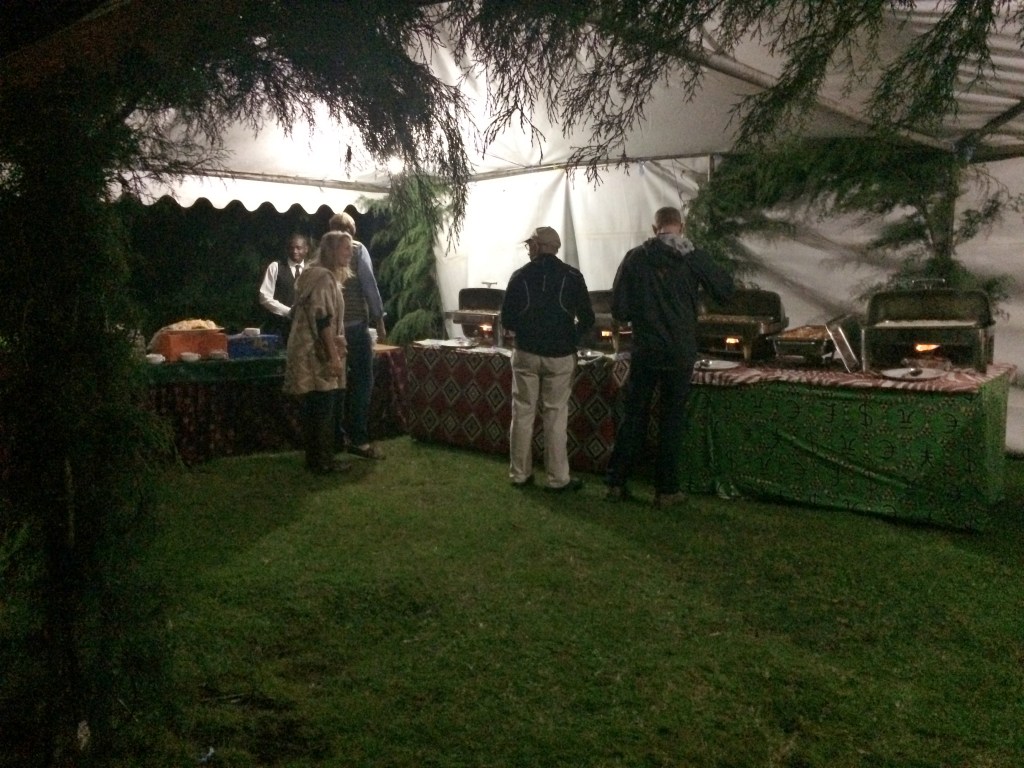

Sharing a local beer with friends 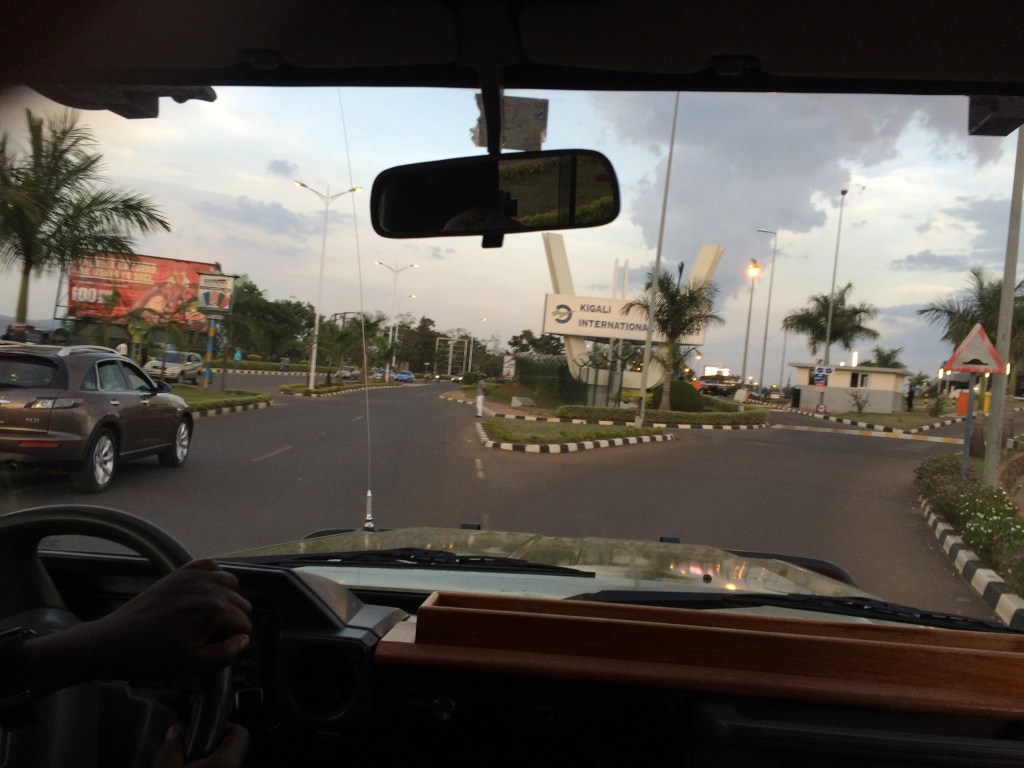
Heading to airport 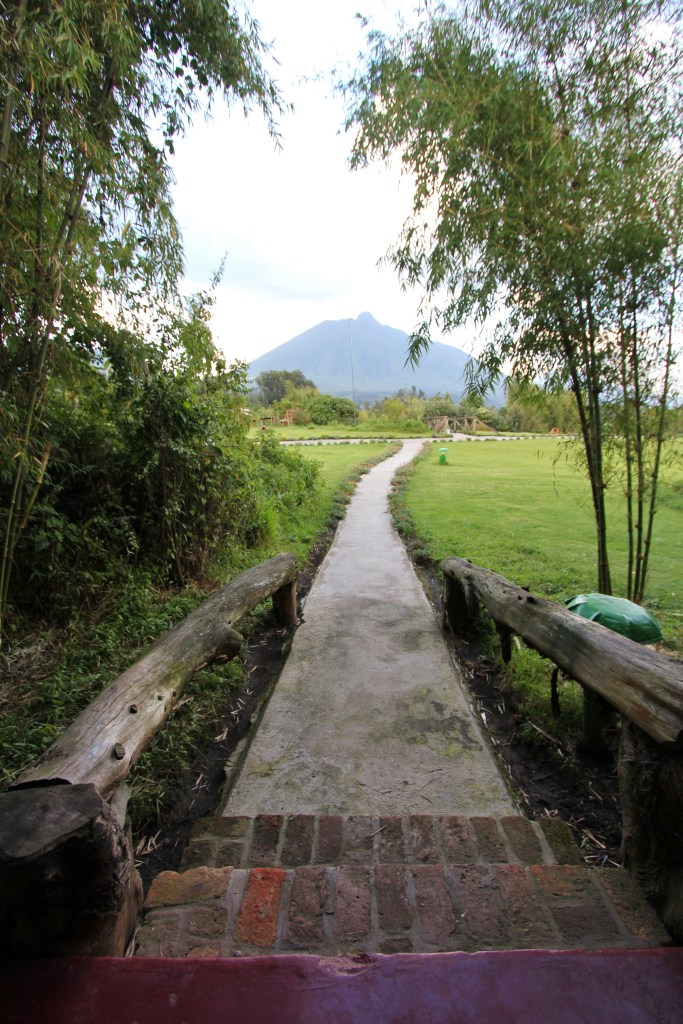
This image of Mt. Sabyinyo at our hotel is a favorite.
I hope you were able to glimpse a little of Africa through my experiences and that it doesn’t put you off from going to Africa or Rwanda. It is definitely worth the experience. No, it isn’t the romantic fun trip that Paris is, but rather, it touches you much deeper. I look forward to your questions, comments and invite you to shoot me feedback.
 The Sane Adventurer
Great post 😁
LikeLiked by 1 person
Thank you so much!
LikeLike