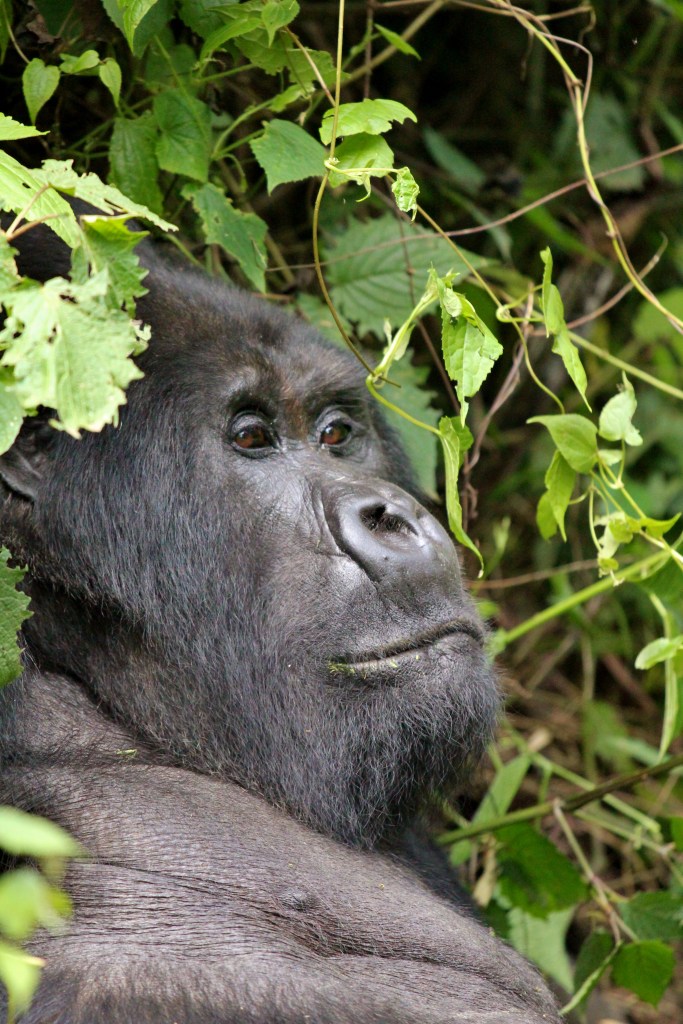
Going to Rwanda was an unexpected opportunity. I had the pleasure of working with Jack Hanna, who has a passion for Rwanda and works with the Gorilla veterinarians. I traveled with a business colleague in conjunction with the Foth Advertising Agency to highlight the tremendous work the Gorilla veterinarians do in helping save the endangered mountain gorillas.
I had never been to Africa before and almost didn’t go. Not long before I was set to depart Rwanda an Ebola outbreak occurred in Liberia. Hundreds of people were sick, and many, unfortunately, perished due to this deadly disease. Couple all these news stories along with my wife, who while working as a substitute teacher, inexplicably was requested to show the movie Hotel Rwanda several times in a row to a group of high schoolers. You can easily imagine her trepidation with me zipping off to Africa.
After a few discussions, understanding that Ebola was thousands of miles from Rwanda, knowing that Hotel Rwanda, while tragic, happened 15 years ago and a bit of pleading on my part, I was able to see Rwanda and be relatively assured that I would have a wife and kids to come back home to.
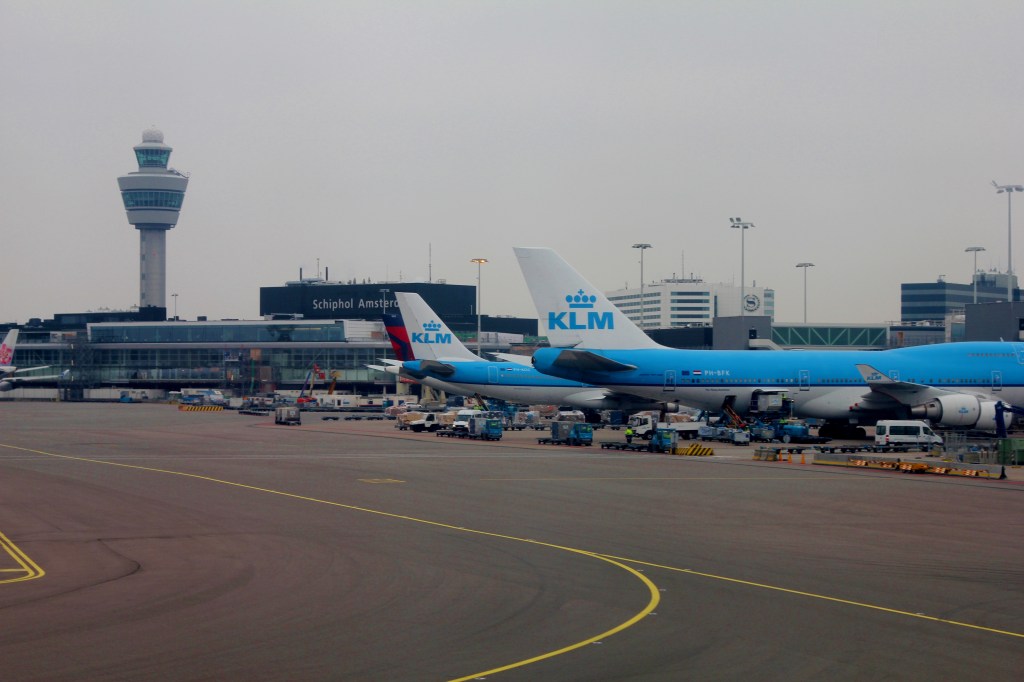
Th 20-hour journey started in US jetting across the pond to Schiphol in the Netherlands and with precious little time to connect, we hopped aboard our KLM flight heading south only to land around midnight in Kigali. Along the way I looked out the window to see the Alps, Greece, Egypt and more. Collecting our gear, we were shuttled to our hotel for a well-deserved sleep.
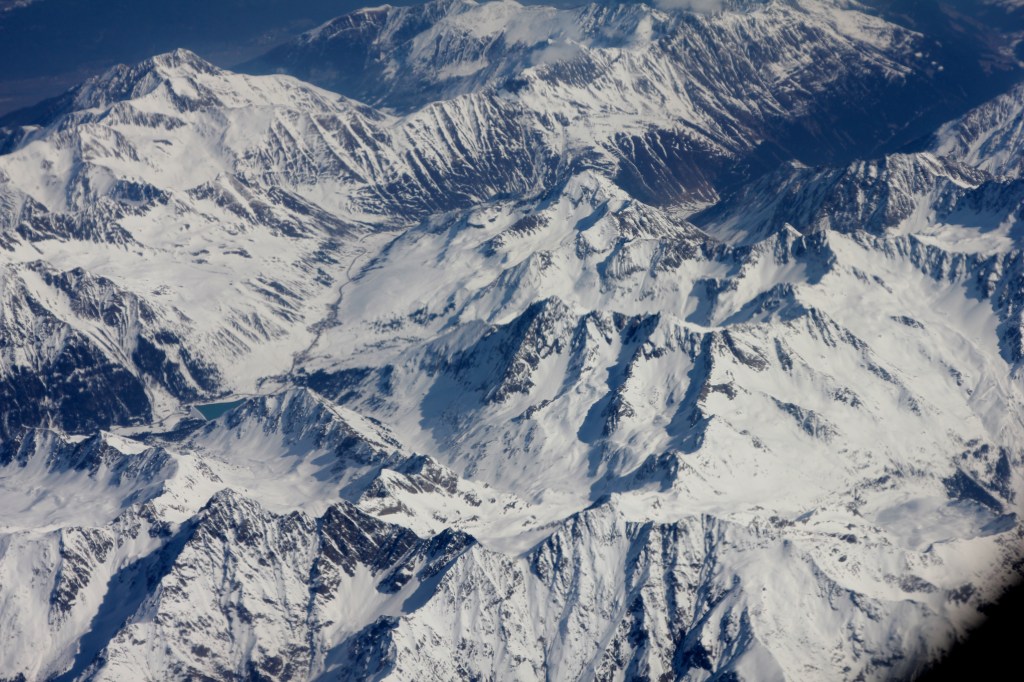
Snowy Alps 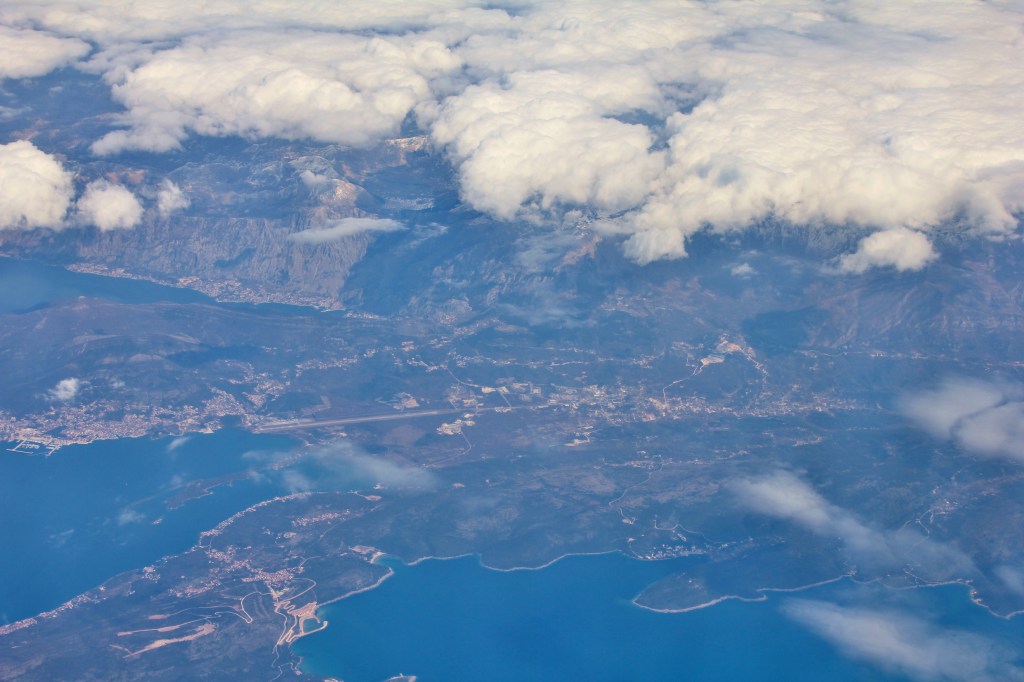
Somewhere in Greece 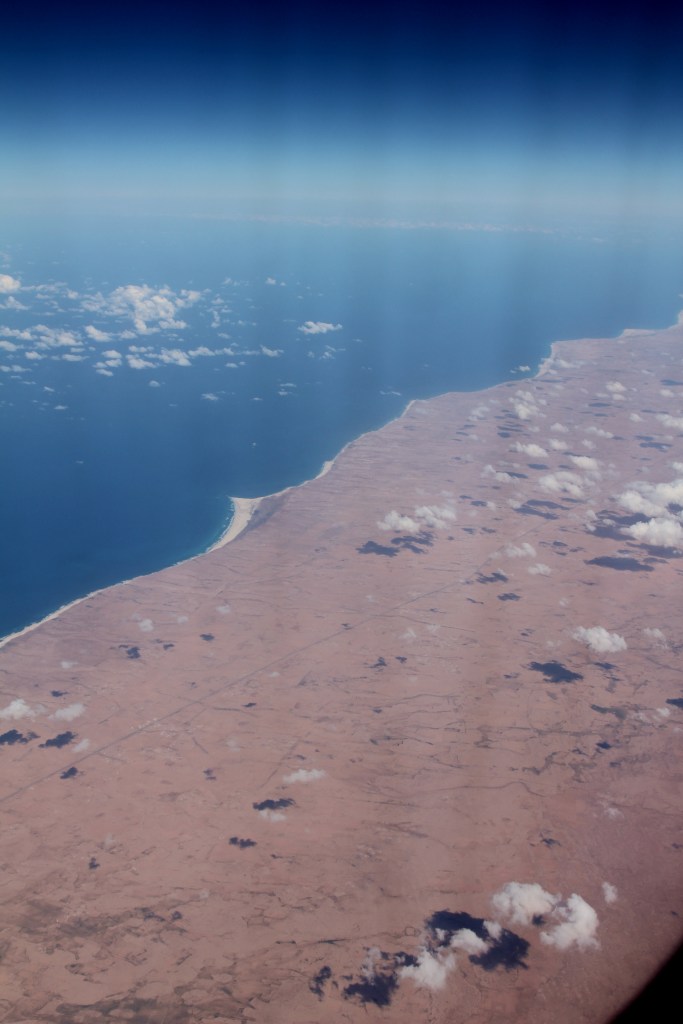
Feet Dry Egypt 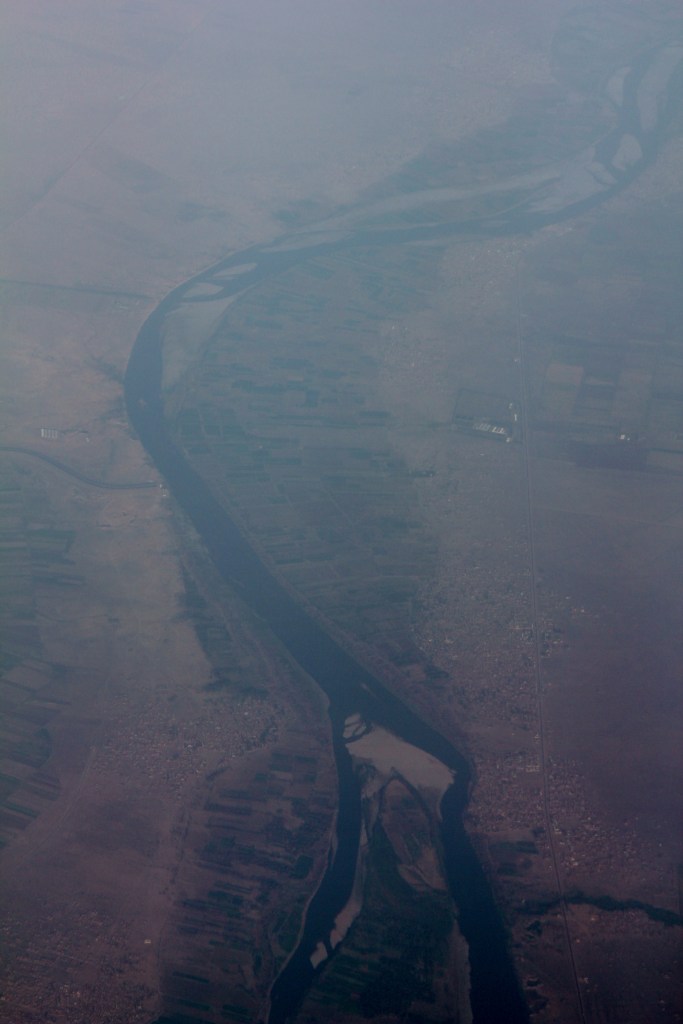
Up the Nile River
Waking up for my first time below the equator, I rendezvoused with the rest of our team at the requisite safari jeeps for the 2-hour journey up the mountains. Given we were only 60 ish miles from the equator this land was lush with terraced farming everywhere. Unlike some of the other areas in Africa almost everything grows in the rich volcanic soil of Rwanda. While there were trees, I was told that so many had been cut down for farming, for furniture and for fuel.

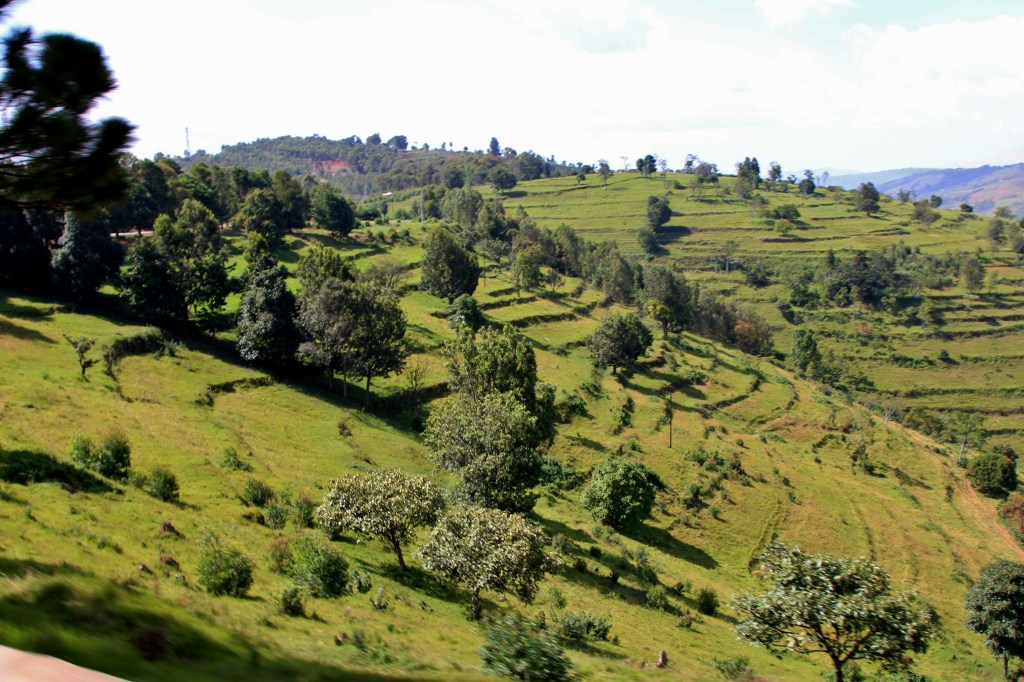
Terraces everywhere
By the end of 1994, forests had been eliminated from 78 percent of the country and were decreasing at rate of 7 percent per year, according to the International Institute for Sustainable Development and the United Nations. The Government knew that without trees, the country could never fully rebuild itself, so it reversed this trend, planting millions each year. From 2015 to 2016, the Rwandan government planted 32 million seedlings, which is equivalent to the reforestation of 15,000 hectares. In 2017 Rwanda reached its target of 30 percent forest cover – three years earlier than planned.
The New Times
Most of the trees we saw were Eucalyptus but other trees such as Chinese Toona and Silky oak were also being planted. The unique smell of burning Eucalyptus can be detected emanating from homes and charcoal pits.
Our next stop was the home of the Gorilla Doctors. These veterinarians are called to help sick or, hurt or even snared mountain gorillas. As stated previously, there was so much deforestation in Rwanda that the gorillas were facing many challenges, poachers, communicable human diseases, and a shrinking amount of habitat. The combination of all three drove the mountain gorillas to the point of being an endangers species. Today there is a rock wall that delineates the mountain gorilla preserve and no farmers can encroach without fear of government penalty. Likewise, the gorilla doctors have assisted in saving may gorillas that previously would have perished. So much so, that the gorilla doctors are credited with 50% of the population comeback they have experienced in the last 10-15 years. Additionally, severe penalties and jail time for poaching gorillas and Rwandans also have a new found understanding that there is more revenue for Rwanda via gorilla tourism than the value of poached animals or no gorillas. Because of all these efforts the mountain gorilla population is on the rise.
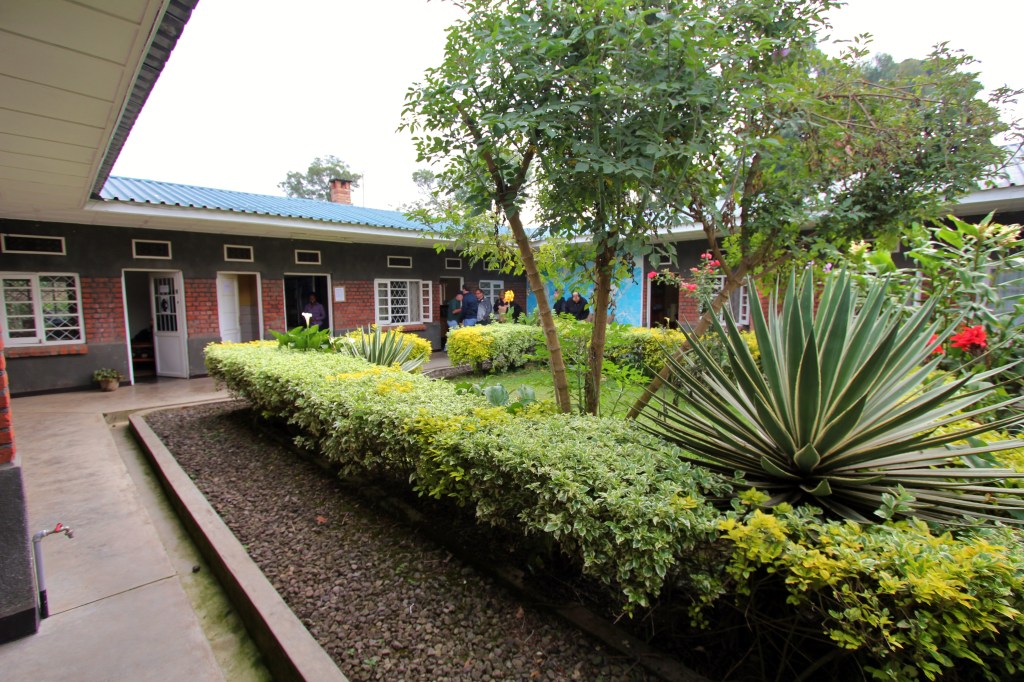
Peaceful courtyard 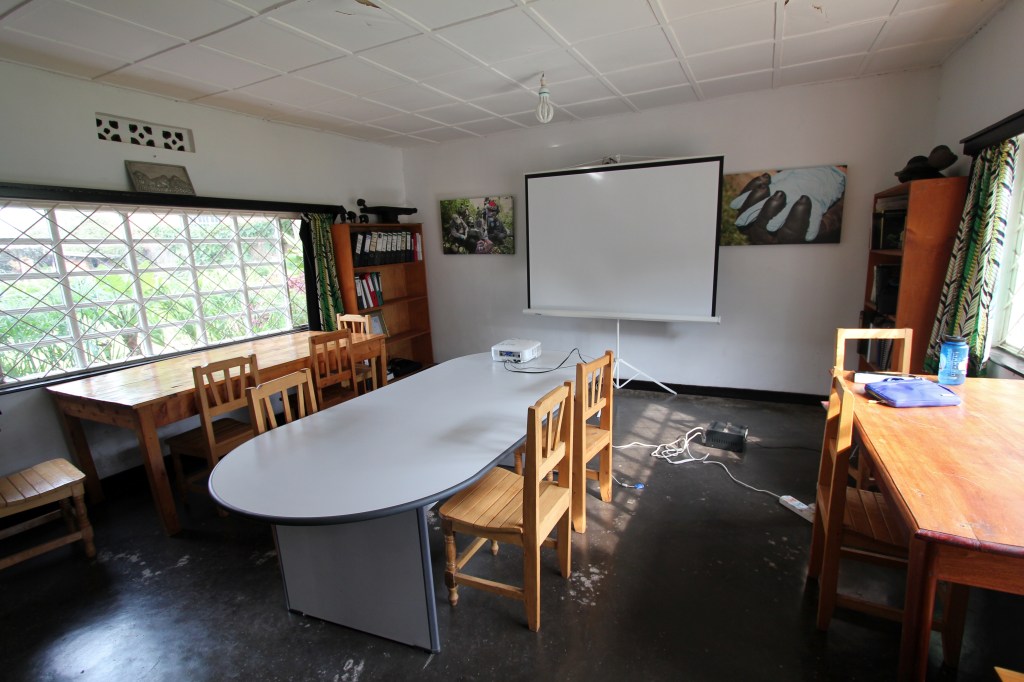
Conference room with amazing photos 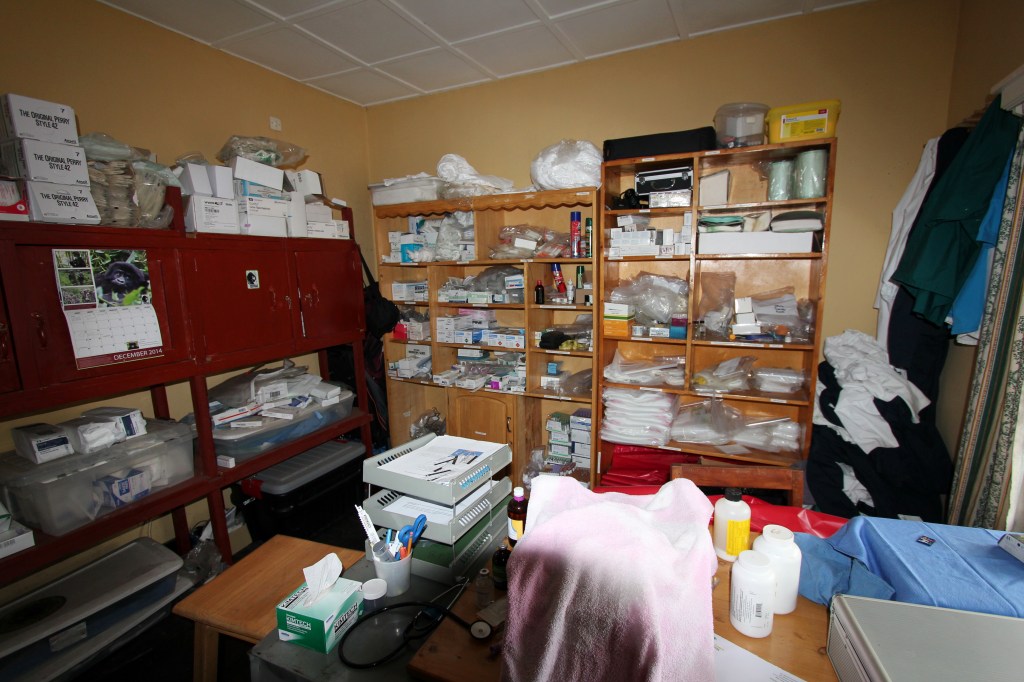
Prepping to support gorillas 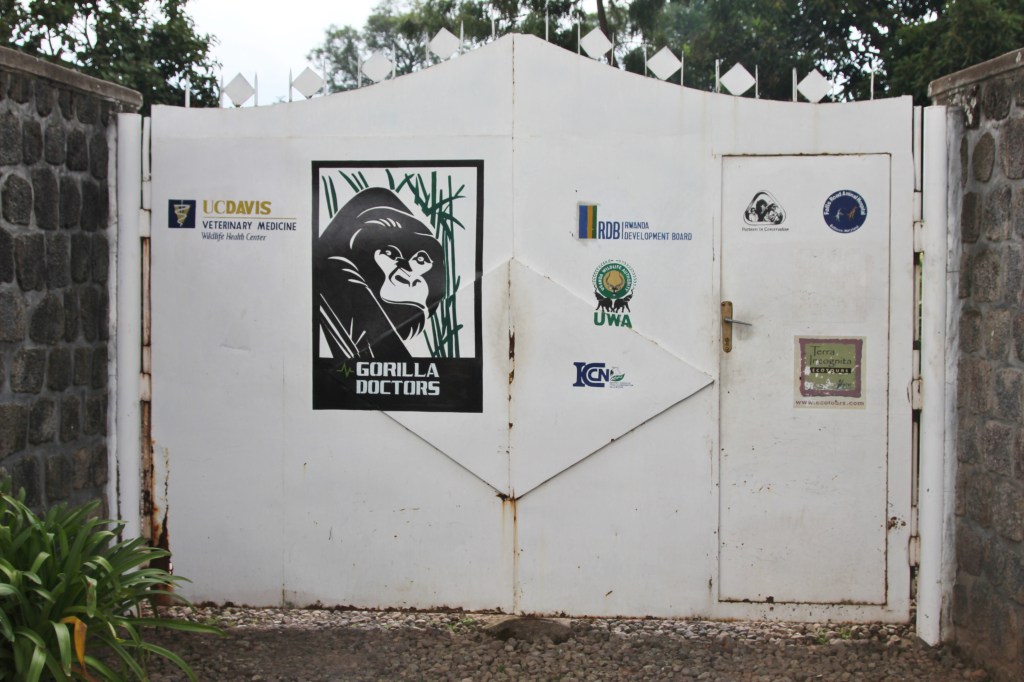
We stopped in at the gorilla doctor’s regional headquarters in the nearby town of Ruhengeri. We toured their office and medical facilities. While a little spartan by US standards they record lots of health data and can communicate directly with the veterinary school at UC Davis for consultations or reviewing histopathology and hematological slides. All the gorilla work must be done in the field so they have several 50 lb+ backpacks filled with medical supplies.
Arriving at Volcanos National Park we unpacked at Mountain Gorilla View Lodge and prepared for our next two days of hiking to the gorillas. The next morning, we grabbed our cameras, rain gear and donned our hiking outfits. The jungle has many stickers, thorny bushes and other rough vegetation so it is good to have gloves, long sleeve shirts, good hiking boots and thick jeans. Also, being so close to the equator a hat is highly recommended to prevent sunburn.
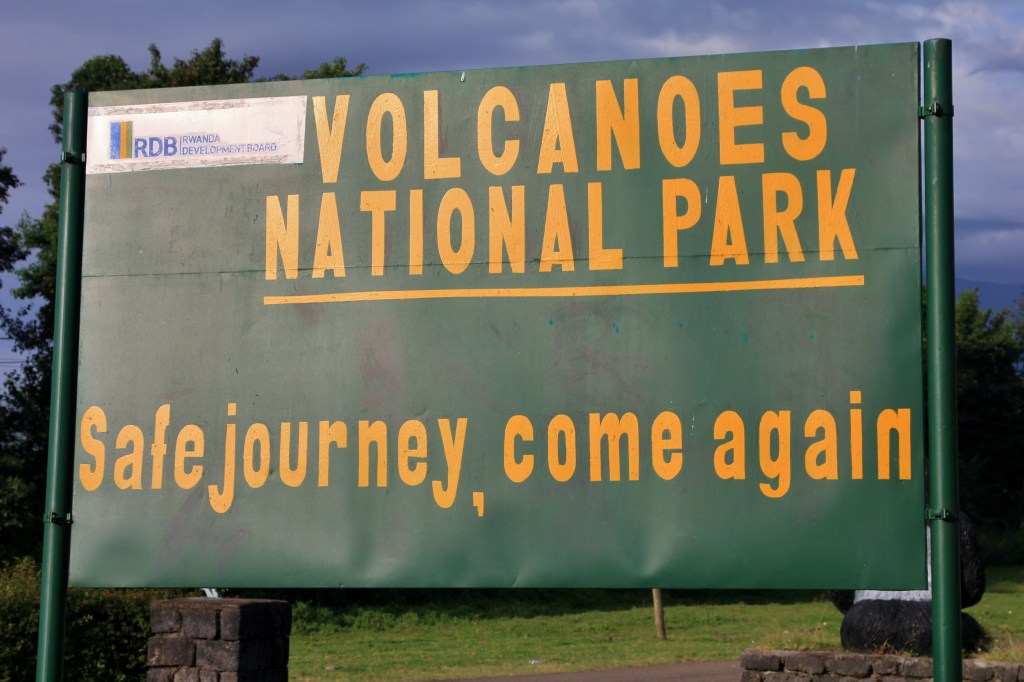

At the gorilla visitor center 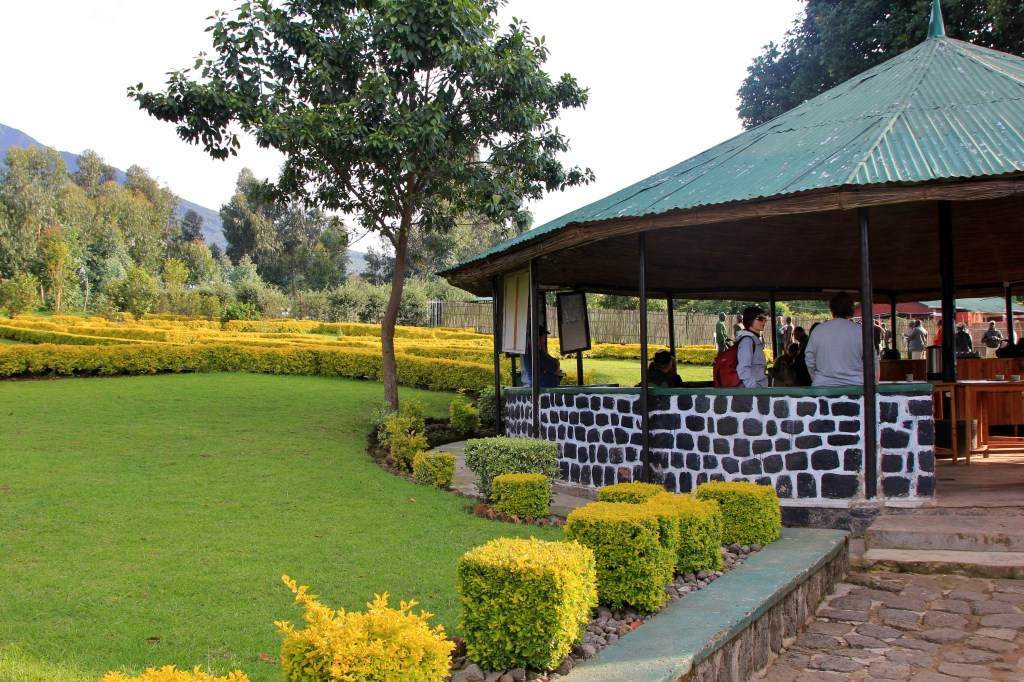
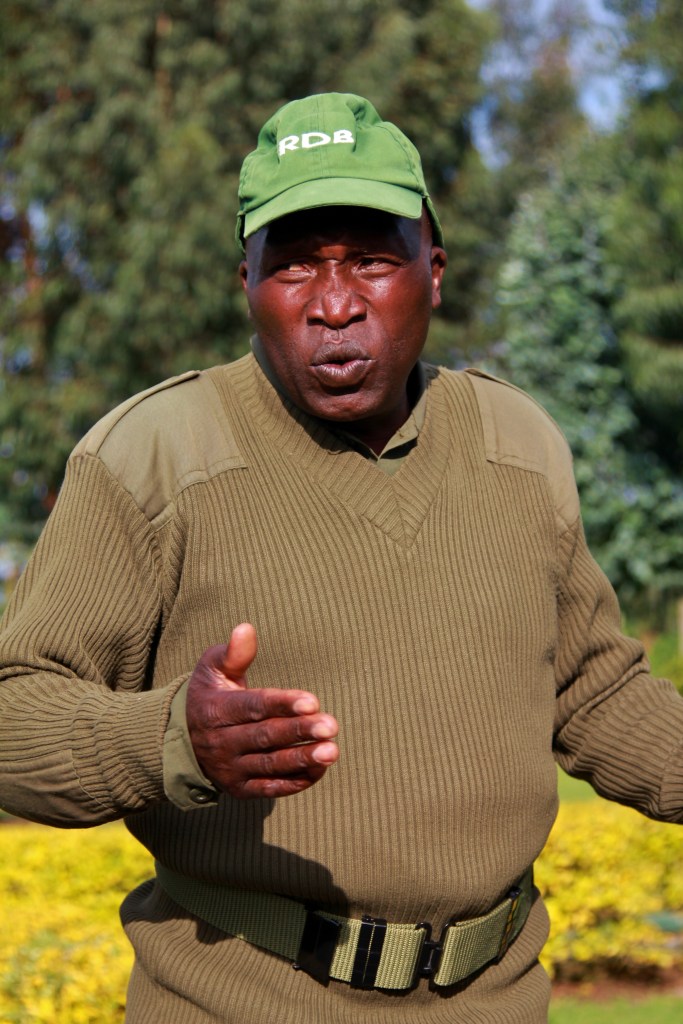
Listen well to your guides
Everyone meets up at the Gorilla lodge to get their guide and to know which of the family units they will be visiting. The main guide will tell you the do’s and don’ts for safety around the gorillas. Listen up, as it is important. I have seen a male silverback gorilla race to check on a squealing baby gorilla and shove a woman 5 feet back with just a brush off of his forearm. No one got hurt but people were shaken up. Learn to speak a little gorilla…”ummm ummm”, keep your eyes down, to be sure you are telling the silverback that you mean no harm and you respect him.
Visits only last about an hour so the gorillas are not too disturbed by people. These are indeed wild gorillas that are acclimated to people being around but are still wild. Hikes from the gorilla station to the gorillas may take anywhere from 2-4 hours. The guides help you get where you need to go but getting there with your gear is your job. However, if needed, you can hire a local assistant to carry your gear and assist you for a modest fee.
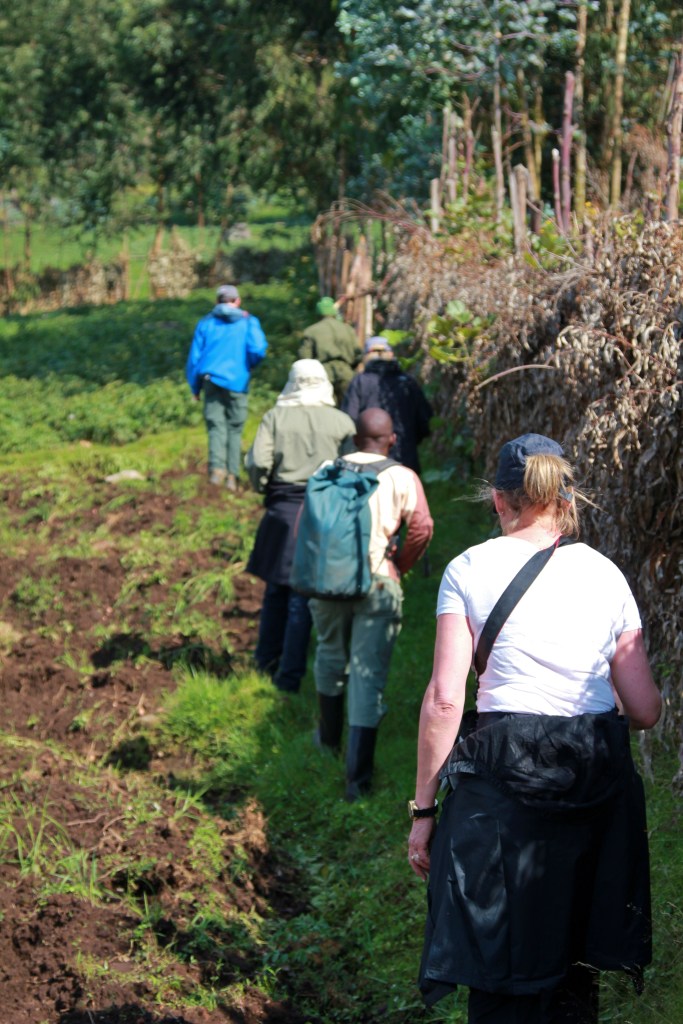
Hiking up to the gorilla wall 
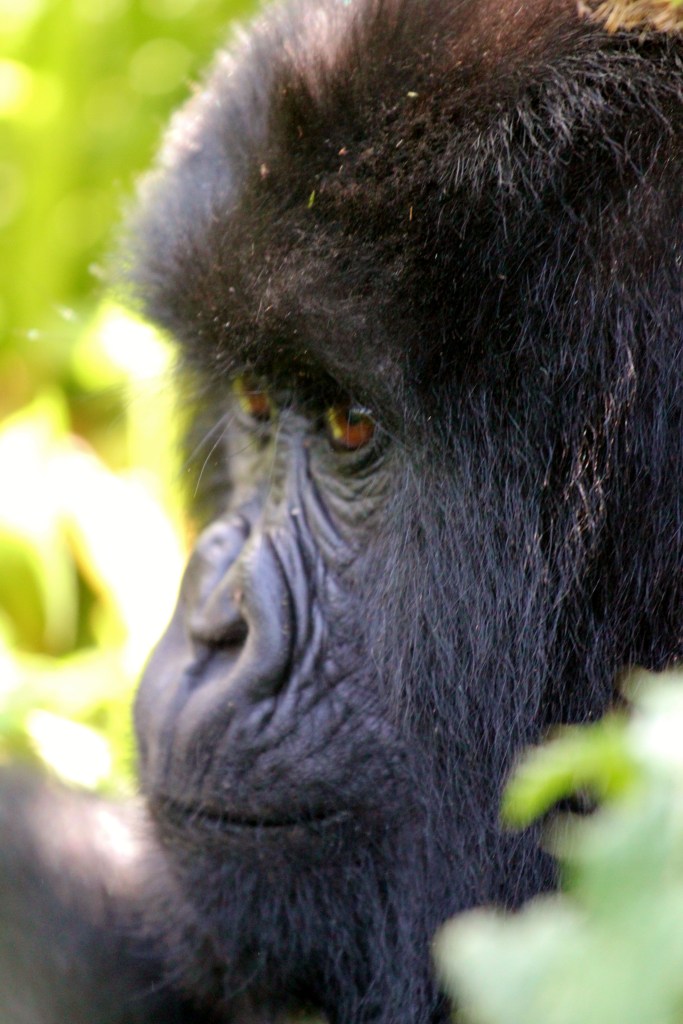
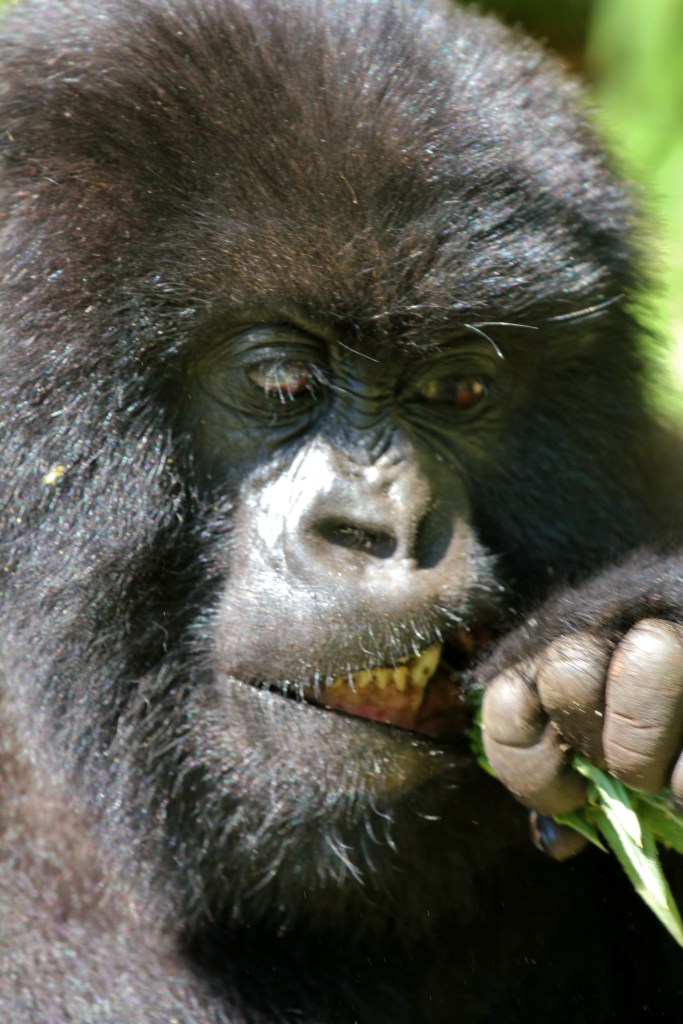

Up close 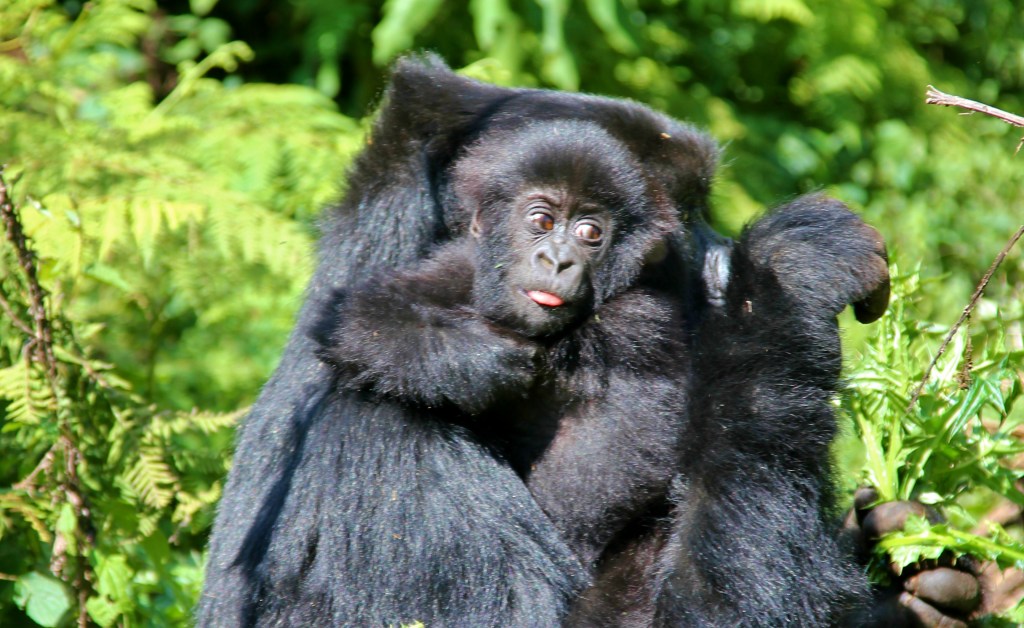
Sticking his tongue out
Once near the gorillas you will drop your gear, except for your cameras. Shoot fast and know your camera. Often the lighting is dappled and shady with lots of vegetation between you and the gorillas, so using spot metering/focus helps greatly. Otherwise your camera may focus on the intervening plants and not the gorillas. Of course, you can manually focus your camera if the autofocus is giving you fits. Take time to soak in the moment too.

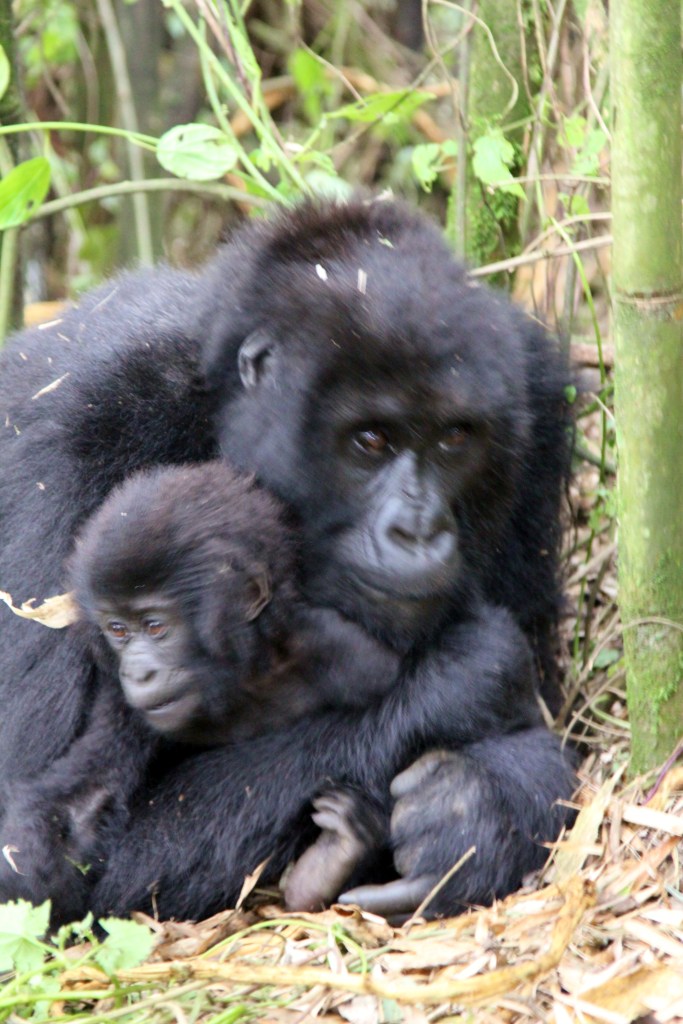
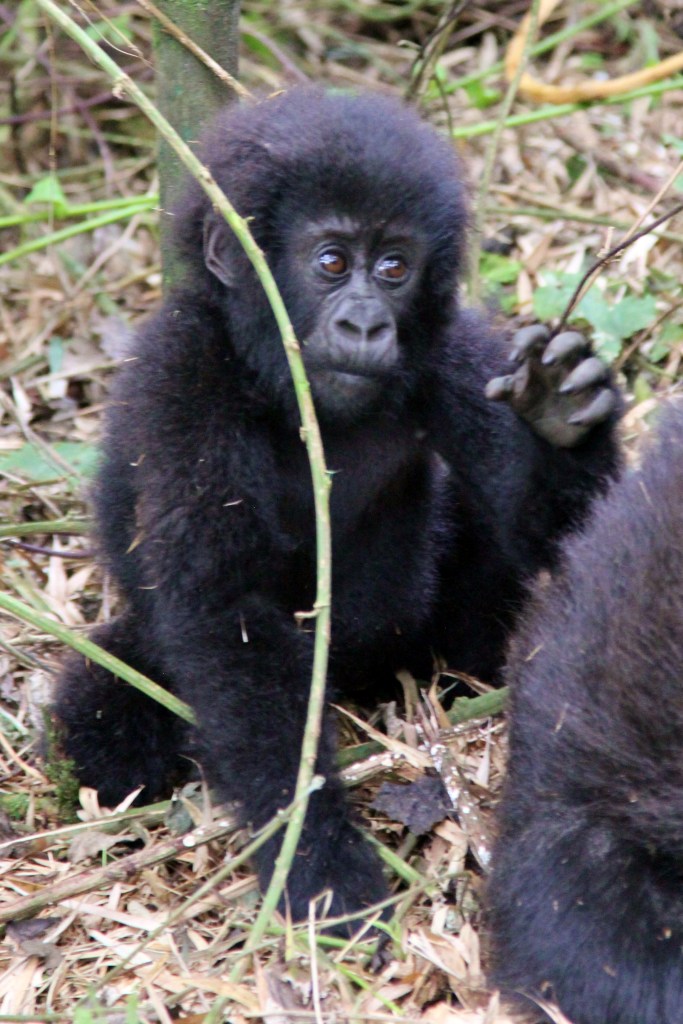

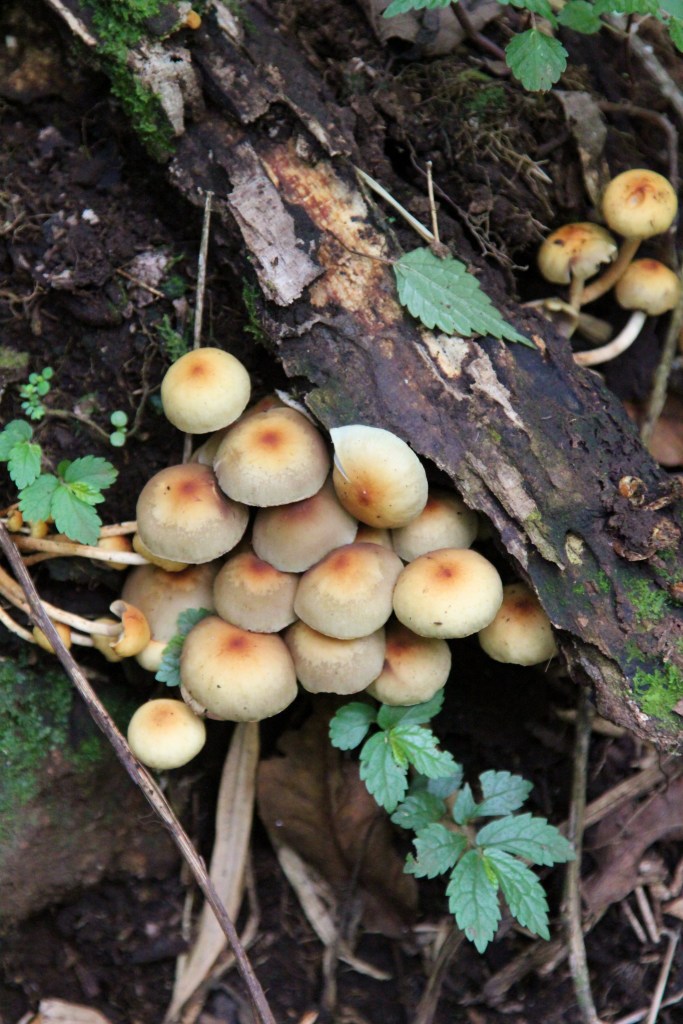
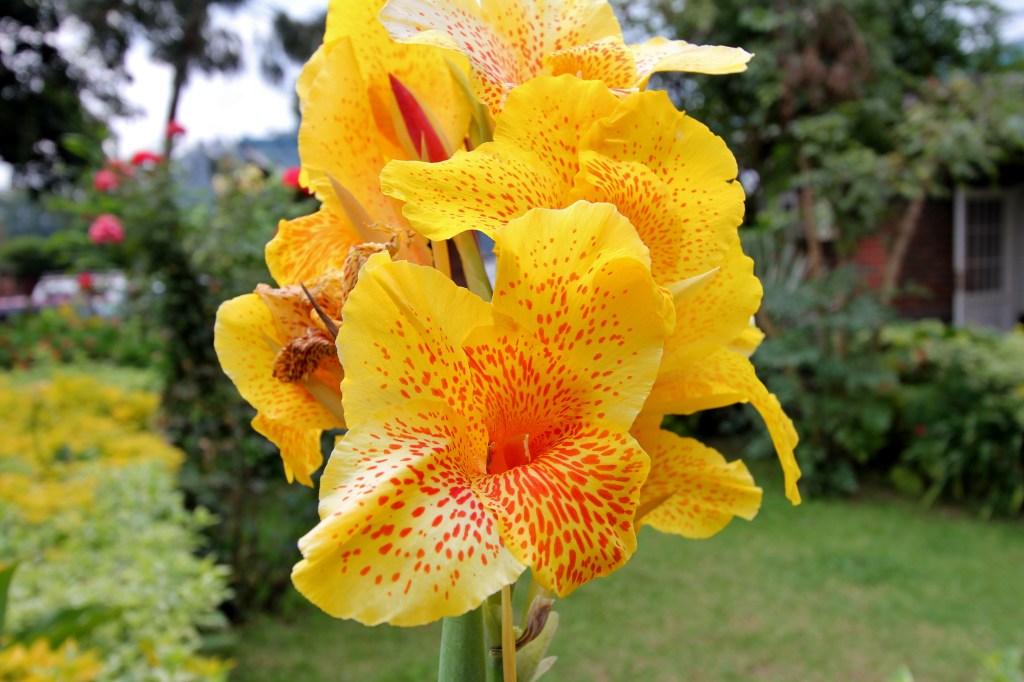
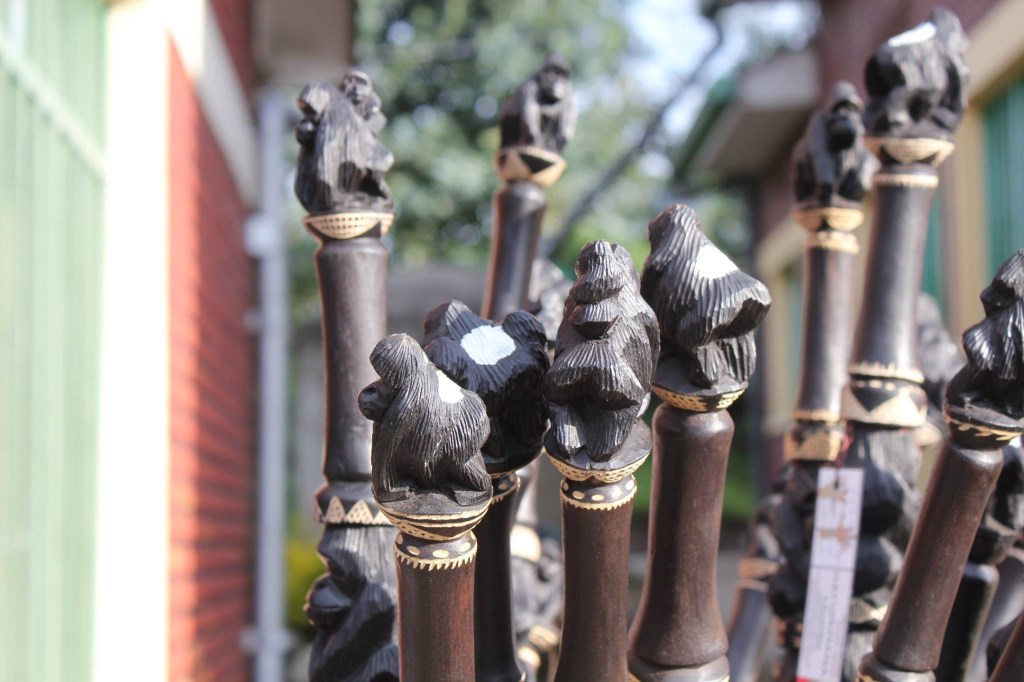
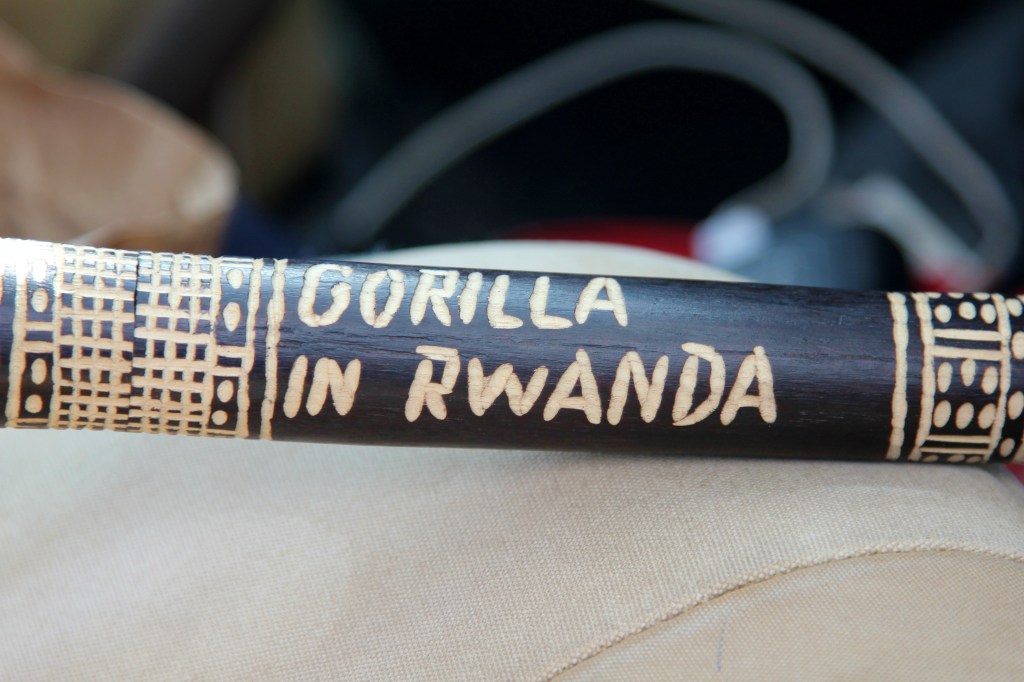
Being with the mountain gorillas is an amazing experience and your guides are there to support and protect you. Be respectful and you will have memories of a lifetime. On the way down from the mountain also capture pictures of your team, the local flora and the guides. Typically, they have souvenir hand-made walking sticks, I would buy one. It is a great memento to have at home.
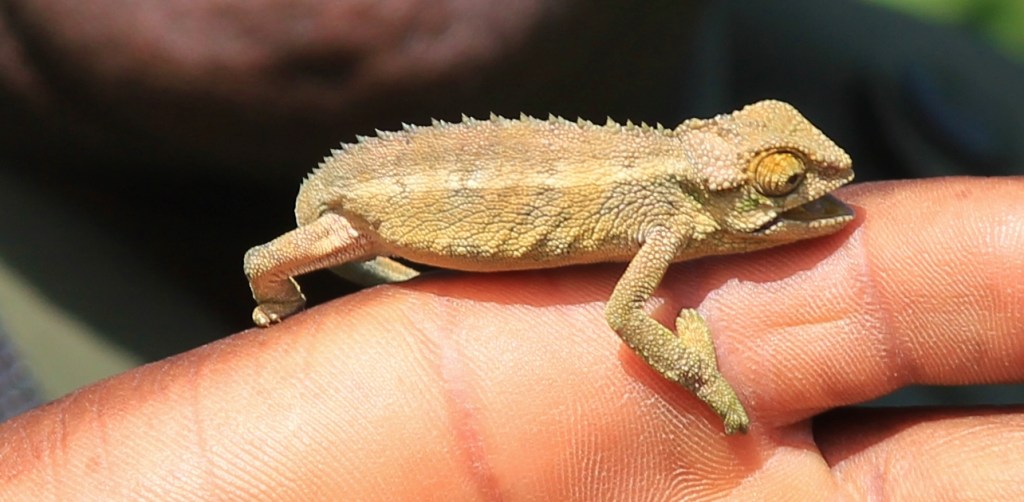
I hope you enjoyed my trek with the mountain gorillas and hopefully it makes you want to see them for yourself, up close, and in their habitat. I appreciate any feedback and comments and thanks for reading.
 The Sane Adventurer
Leave a comment