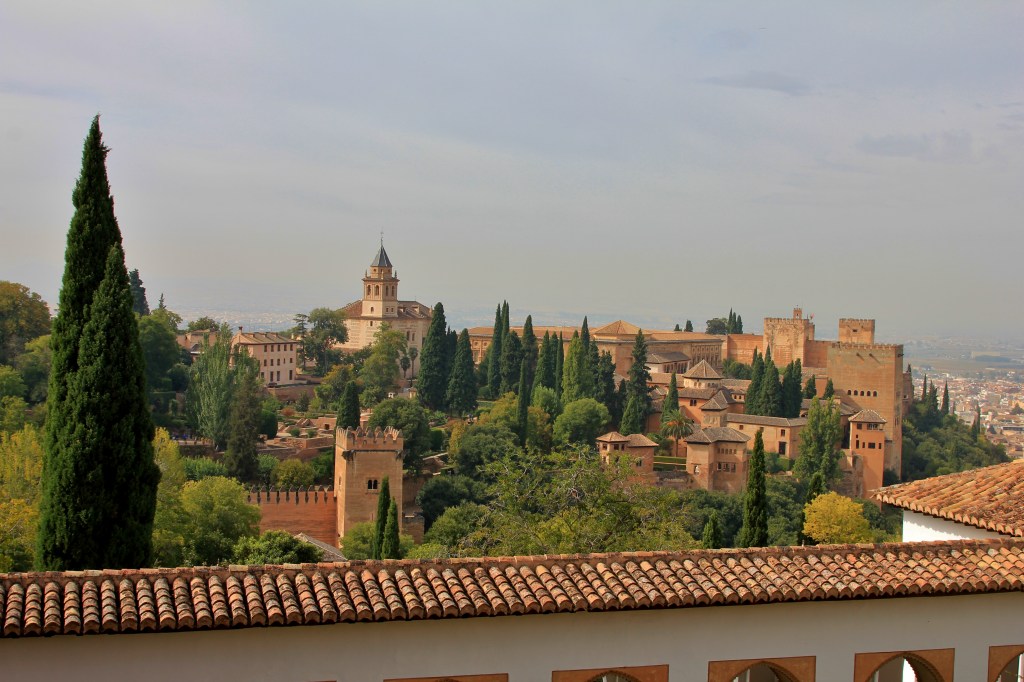
For a European distributor meeting, it was decided to have the meeting in Granada, Spain just prior to the Southern European Veterianry Convention. I had never been to southern Spain and was look forward to seeing the city. The main non-meeting activity, arranged by our Spanish distributor, was a trip to the Alhambra and the Generalife gardens.
Prior to this trip, I really knew nothing about the Alhambra and the only thing I knew about Granada (city where the Alhambra is located) was the famous song by Augustine Lara, sung by many tenors.
The Alhambra
The Alhambra complex is really three areas: The Alhambra, Generalife Gardens, and a Spanish palace, built in an Italian style. The short trip to the Alhambra included some winding city roads, which gave us an interesting view of many touristy areas and restaurants. The Alhambra’s visitor center and main gate sit below the plateau on which it sits. Once we all had our headsets, we quickly lined up for the requisite photo op.
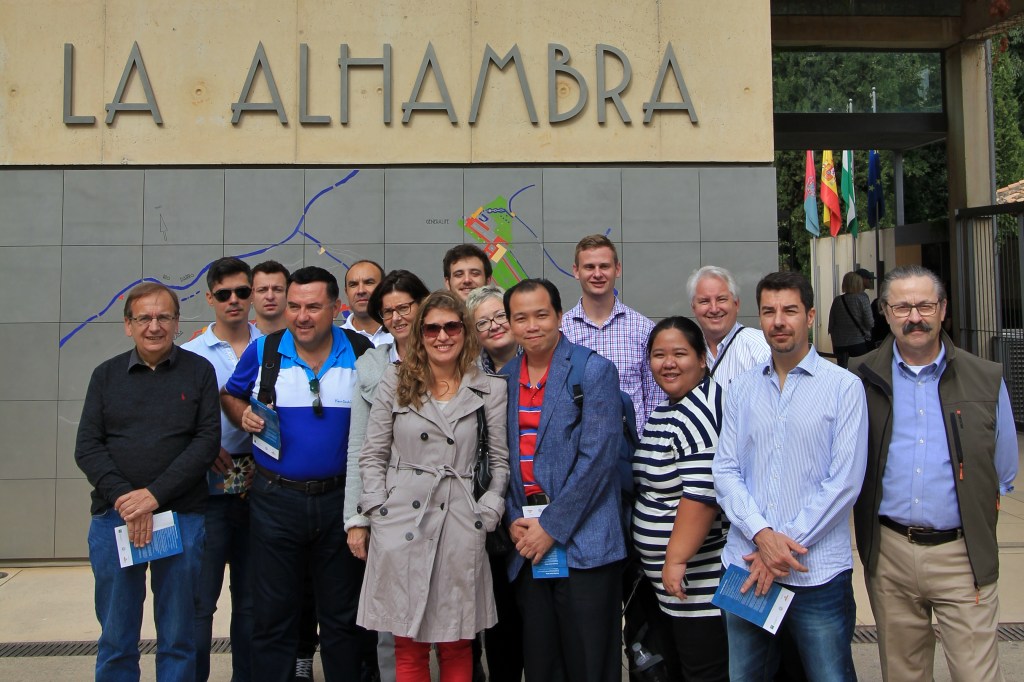
Entering the grounds, we walked along the outer wall and soon came across a little brook running down and cascading into pools. Little did I realize then the importance of water at the Alhambra and within the Muslim culture. Historically, the Alhambra was entered via the Justice Gate but now a larger gate has been made to accommodate the tourists. We did travel through the Puerta del Vino (wine gate). Unfortunately, gone were the wine merchants selling their wares, but the gate is pretty nonetheless. The next stop was the Alcazaba (the citadel) initially started in 889 atop of old Roman ruins.
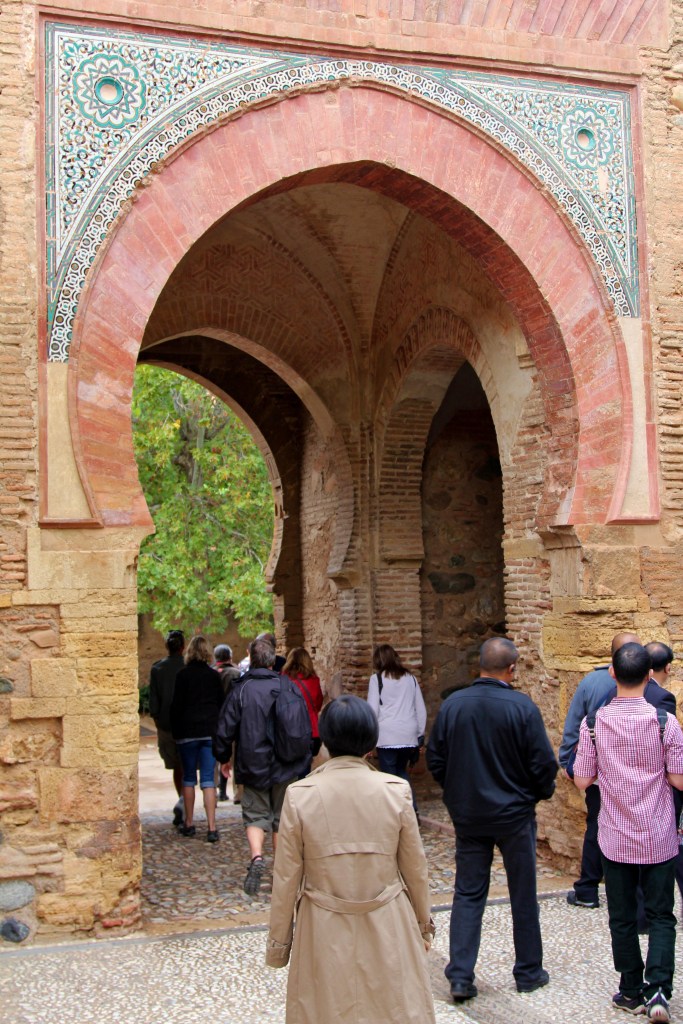
The Wine Gate 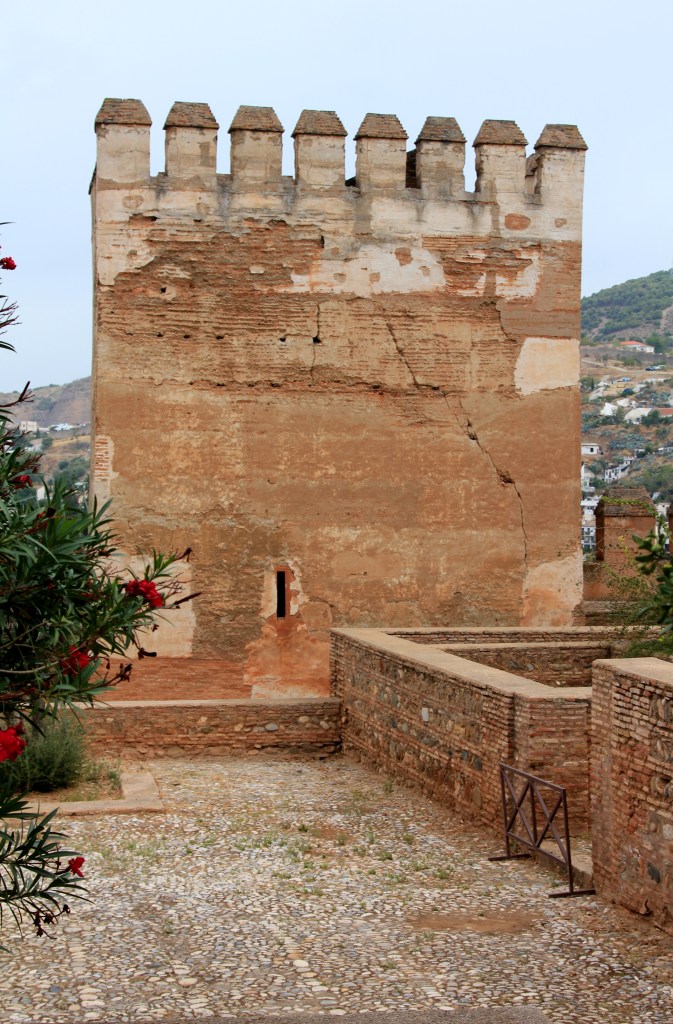
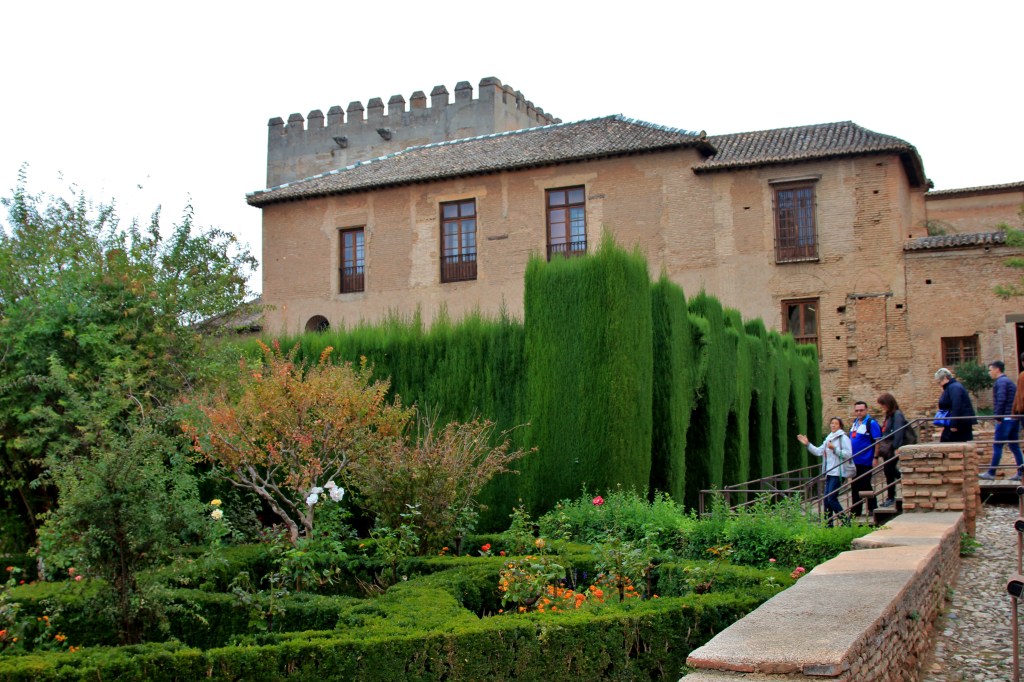
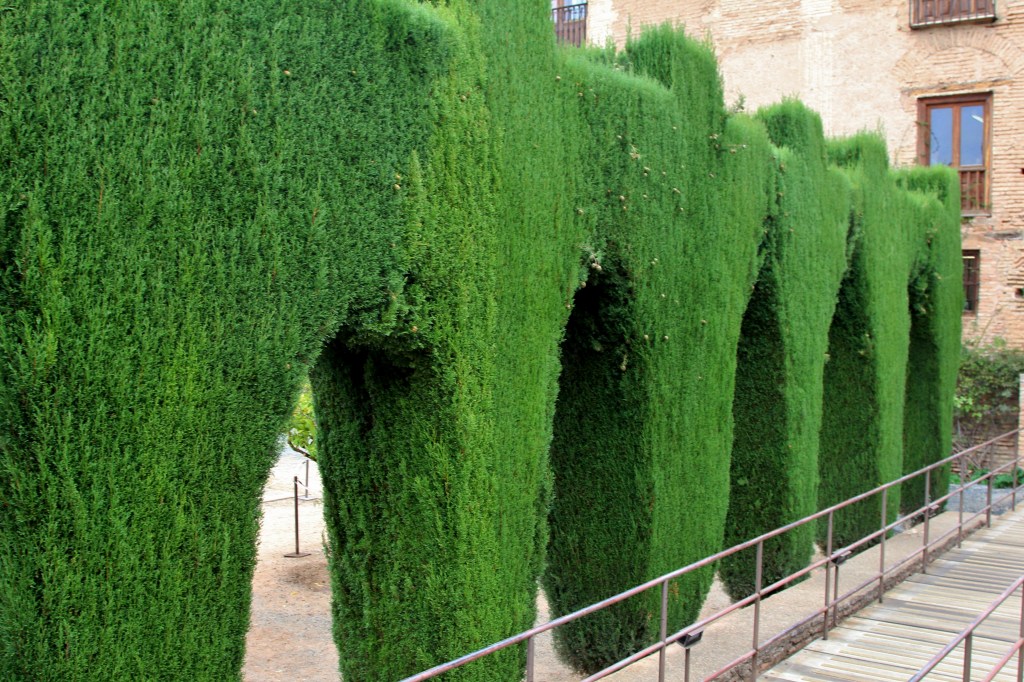
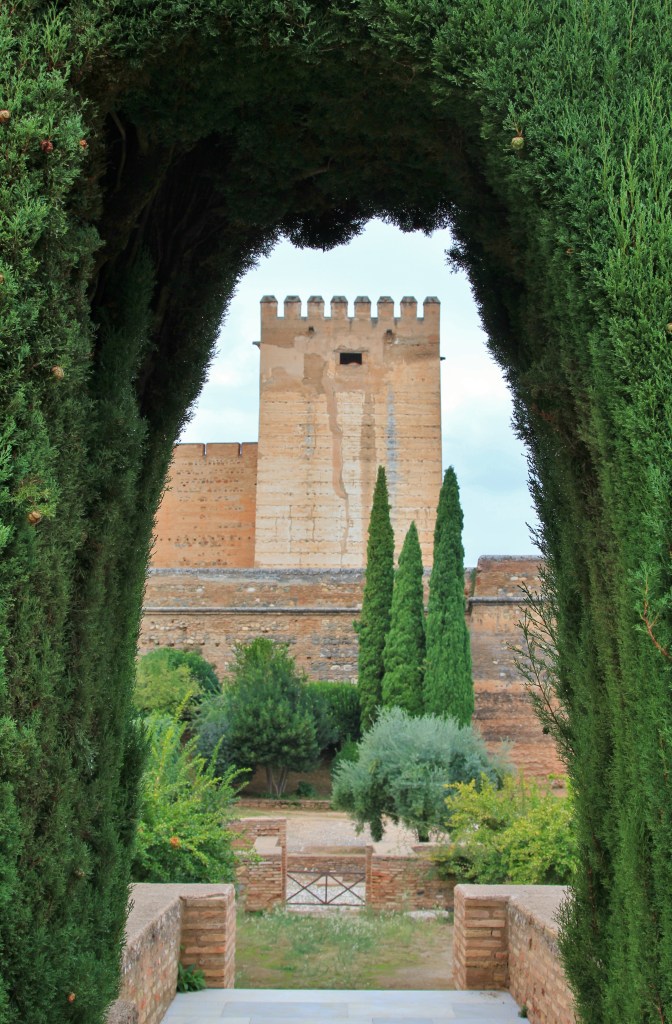
Enjoying the historic garden
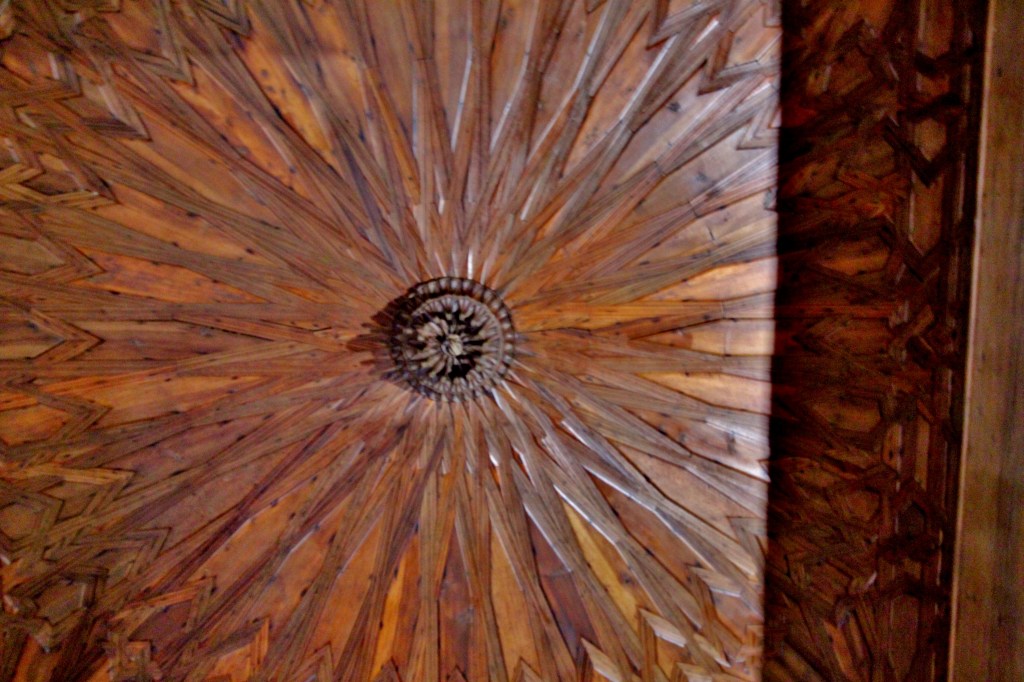
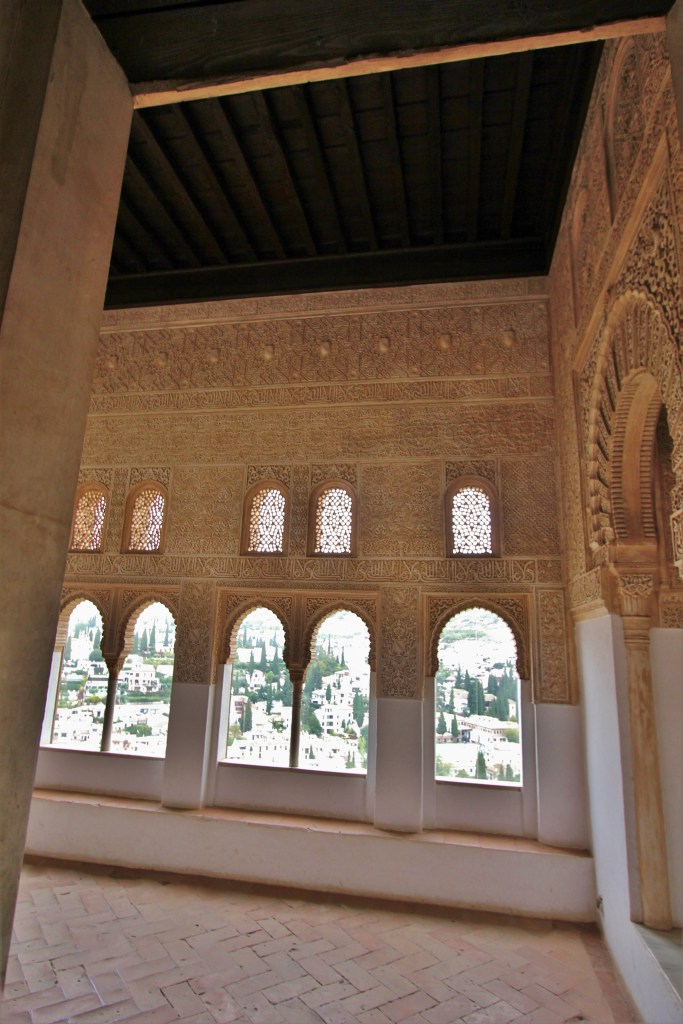
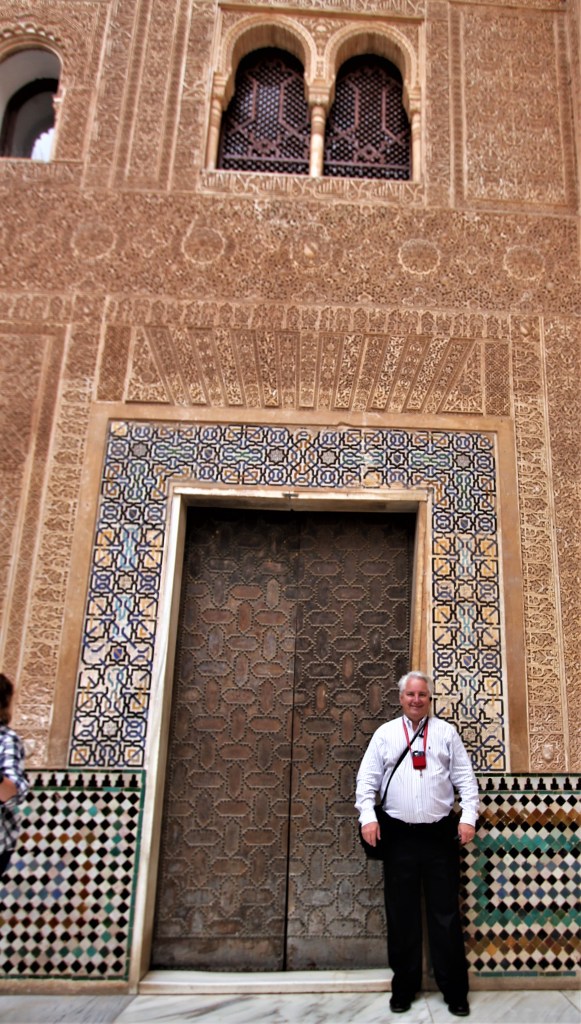
Next up came the royal house, El Mexuar with its beautiful wooden ceilings to stunning views of Granada from the Oratory windows. Passing through the golden chamber we entered the Mexuar Courtyard and on to La Fachada de Comares (façade of the Comares). This Façade like most of the Alhambra has intricate carvings, and plaster impressions adorning the walls. Once inside the Comares the real beauty and symmetry was evident.
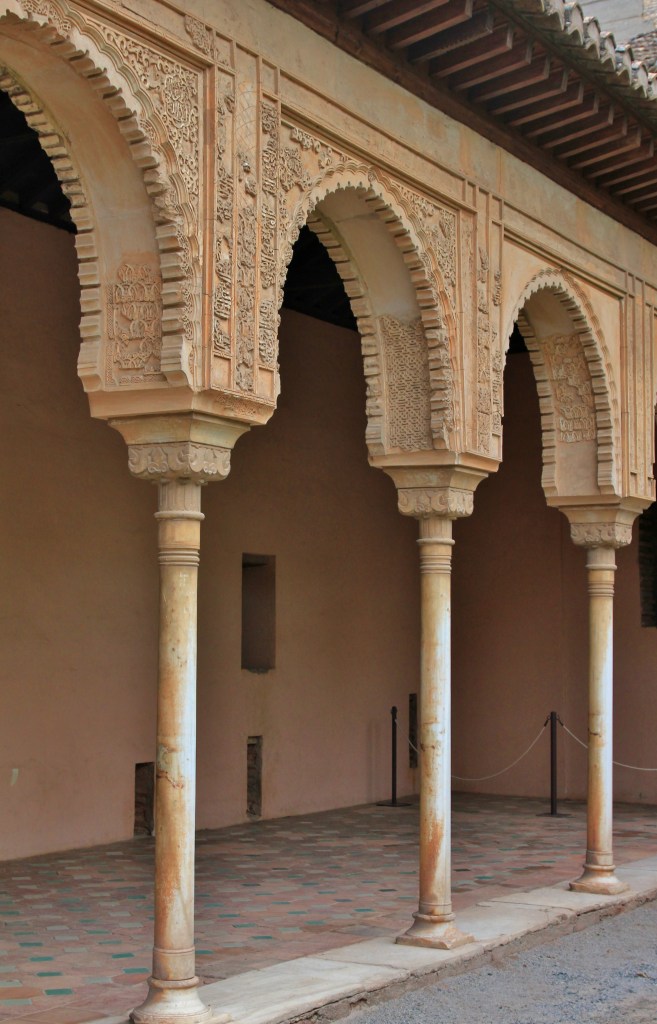




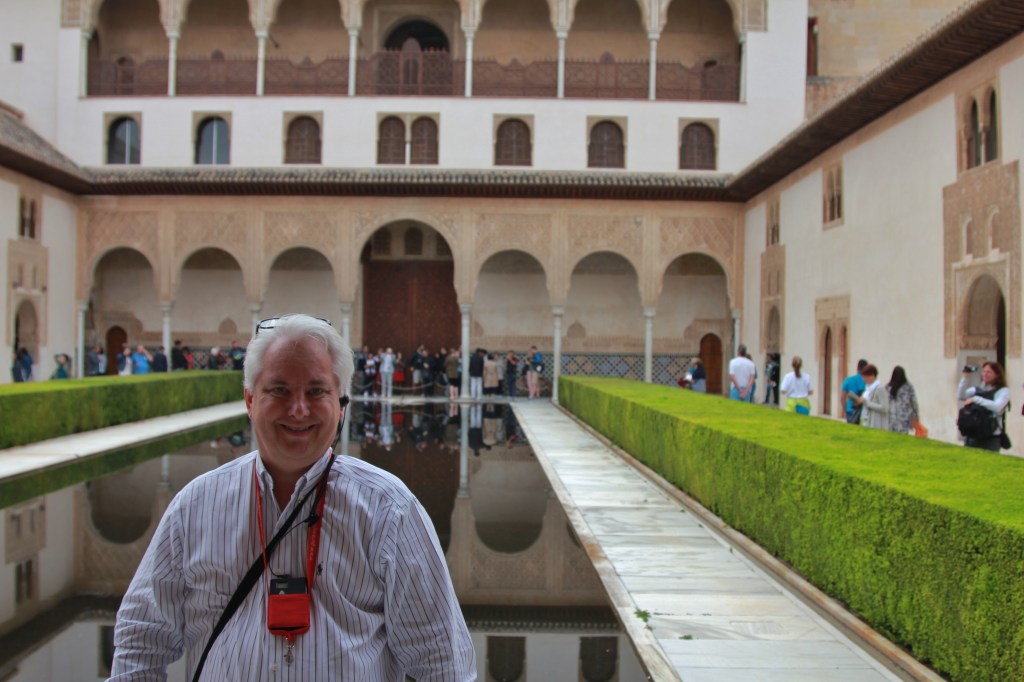
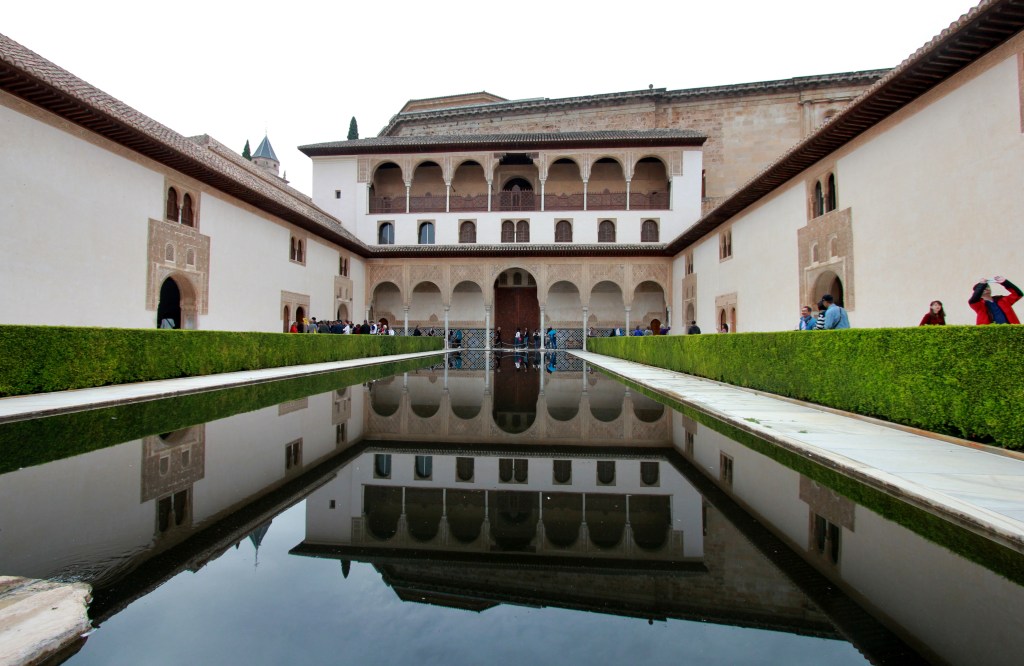
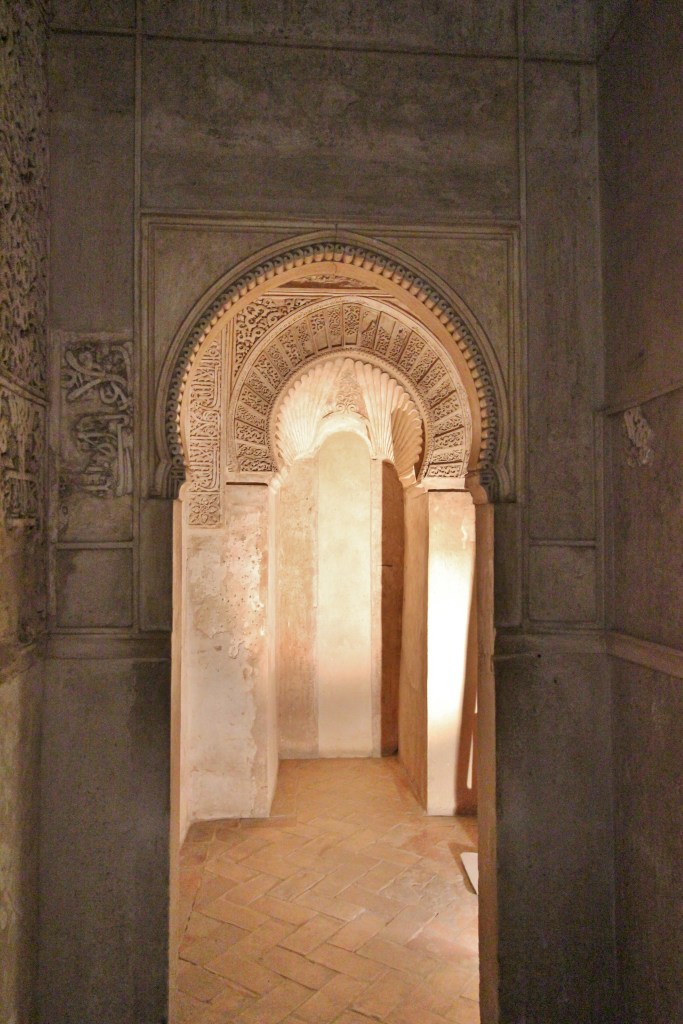
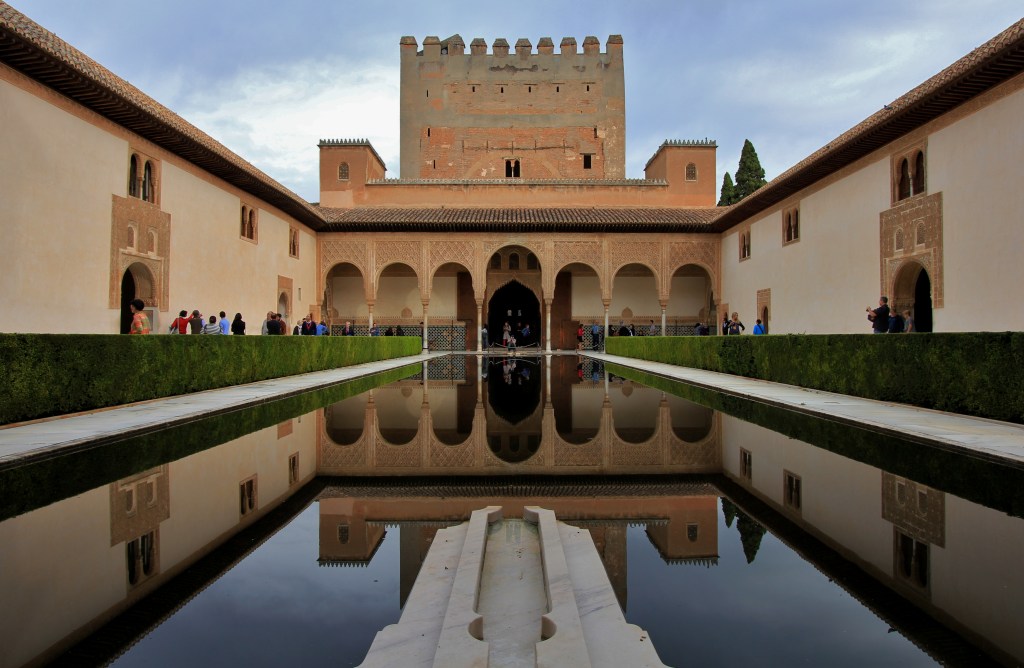
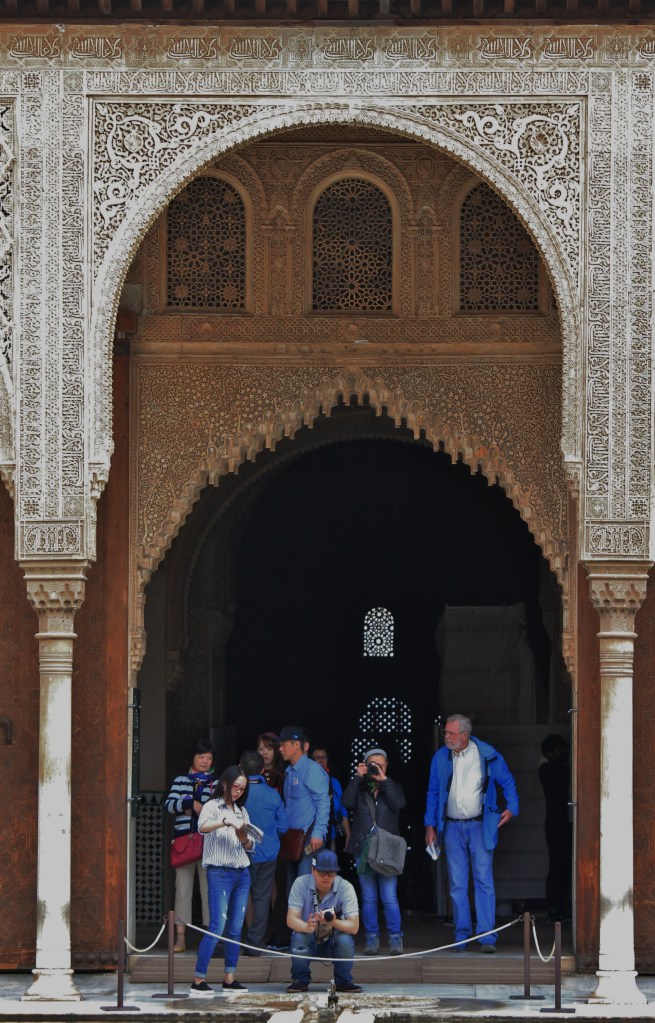
Following the Comares was the Palace of the Lions. This palace was the sultan’s private dwellings. Again, the water aspects, symmetry and columns make for a stunning view no matter what your religion. We were also shown where the women were housed (harem area). Water flows from four separate rooms and they all coalesce at the Fountain of the Lions. The four rooms are the Hall of the two Sisters, Hall of Kings, Hall of Mocarabes, and Hall of the Abencerrajes.
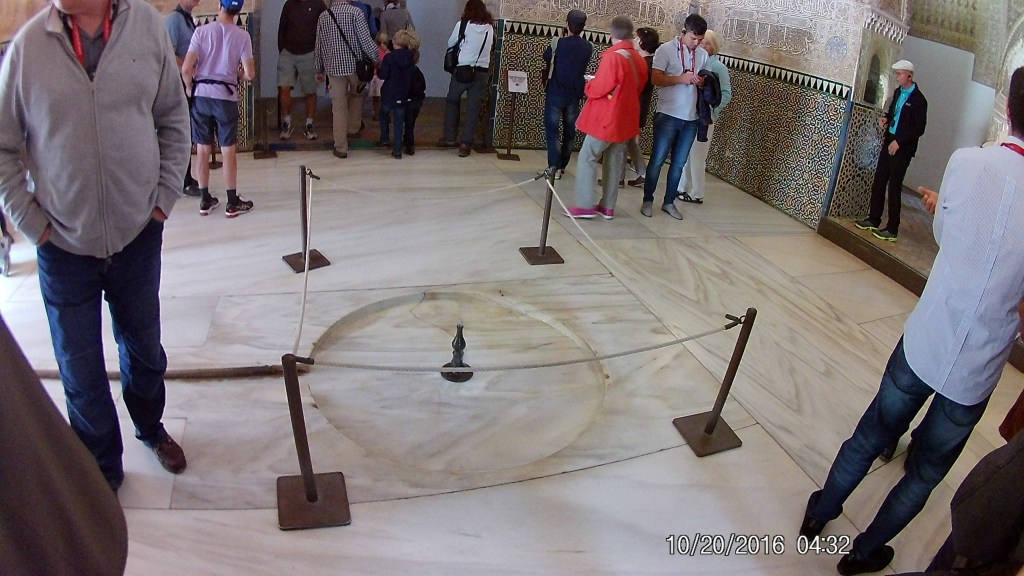


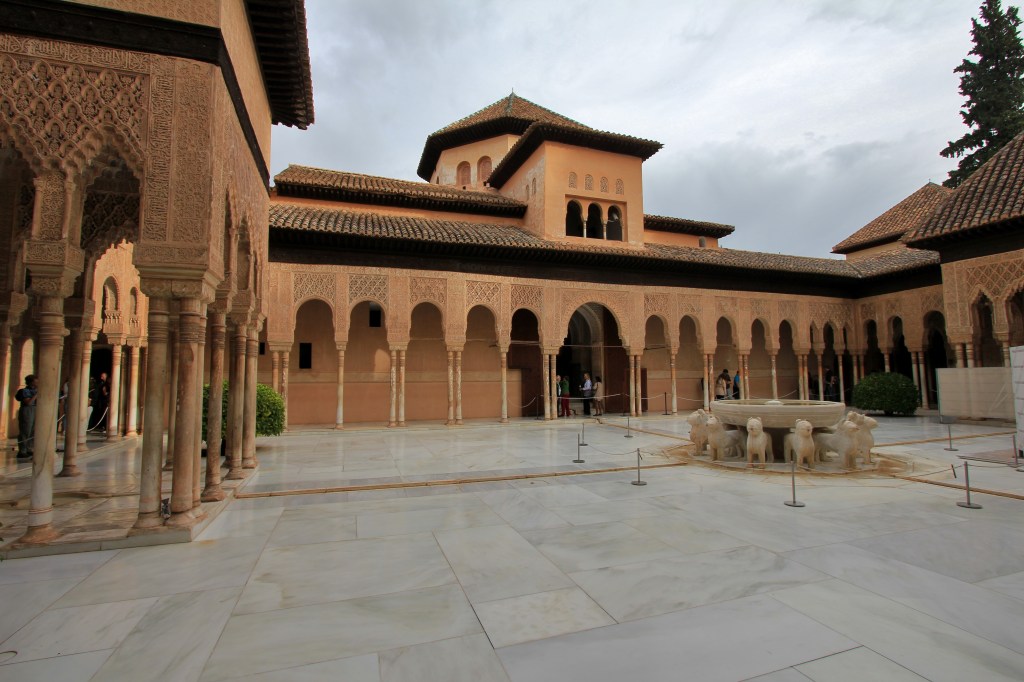
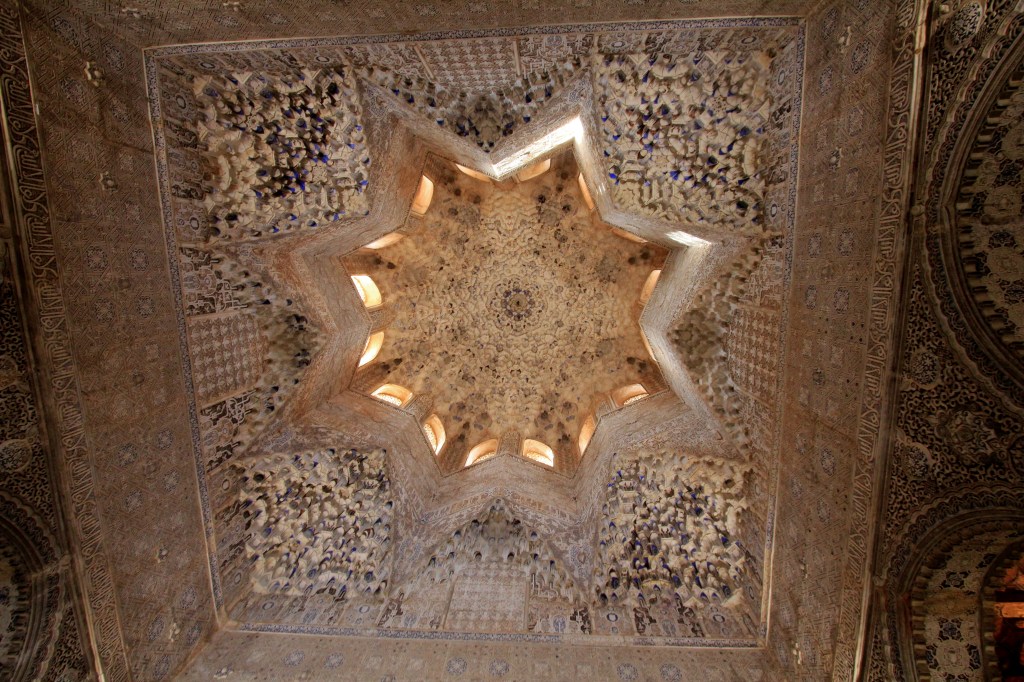


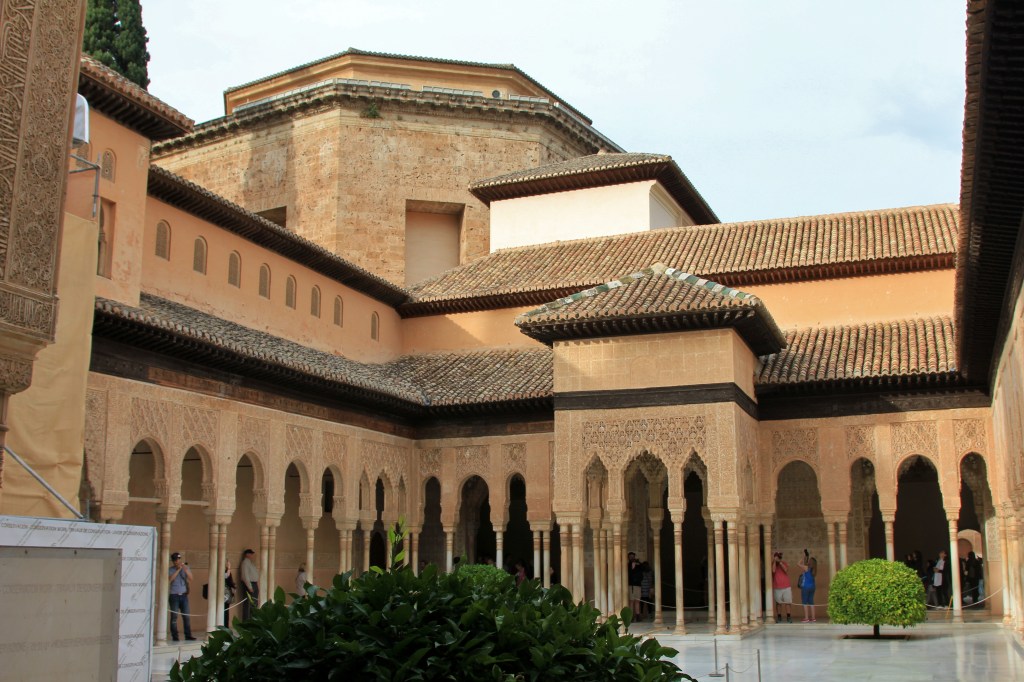

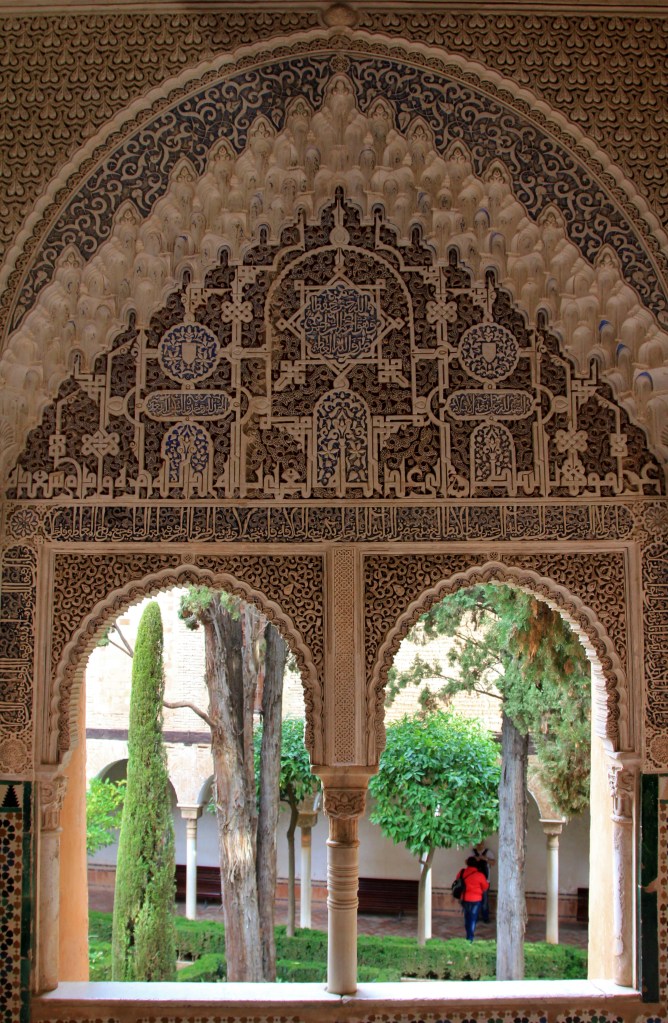
After viewing the Comares we walked through the bath house to the El Partal Gardens, where the water pattern was repeated. The Alhambra was built for and occupied by the Sultans of Granada. The sounds of water were everywhere. Little pools, fountains and intricately designed water channels brought water to almost every room.
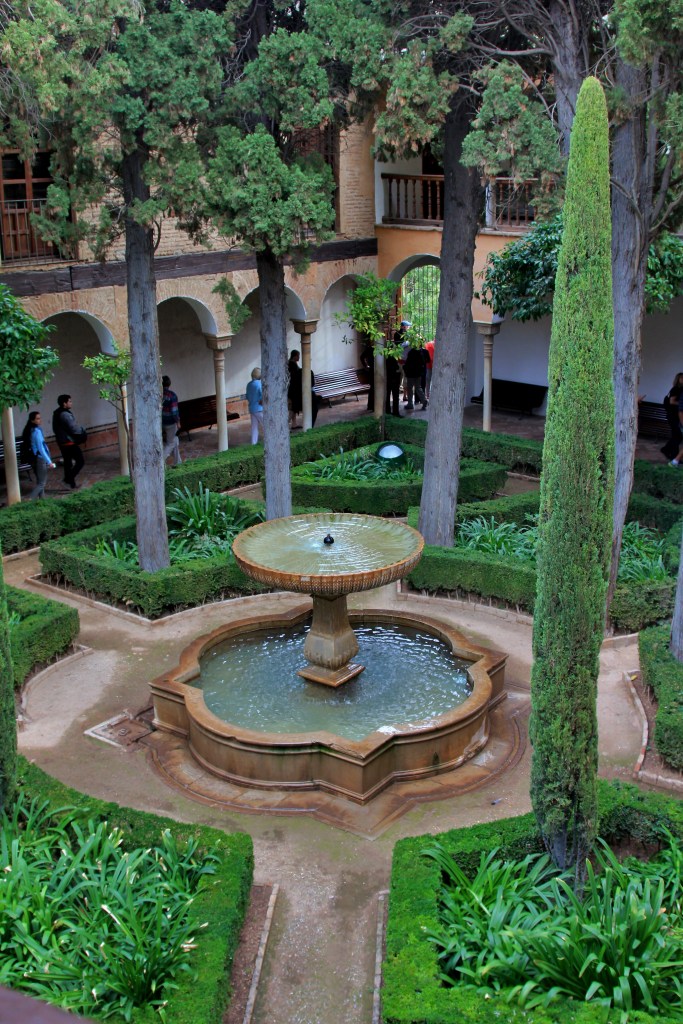

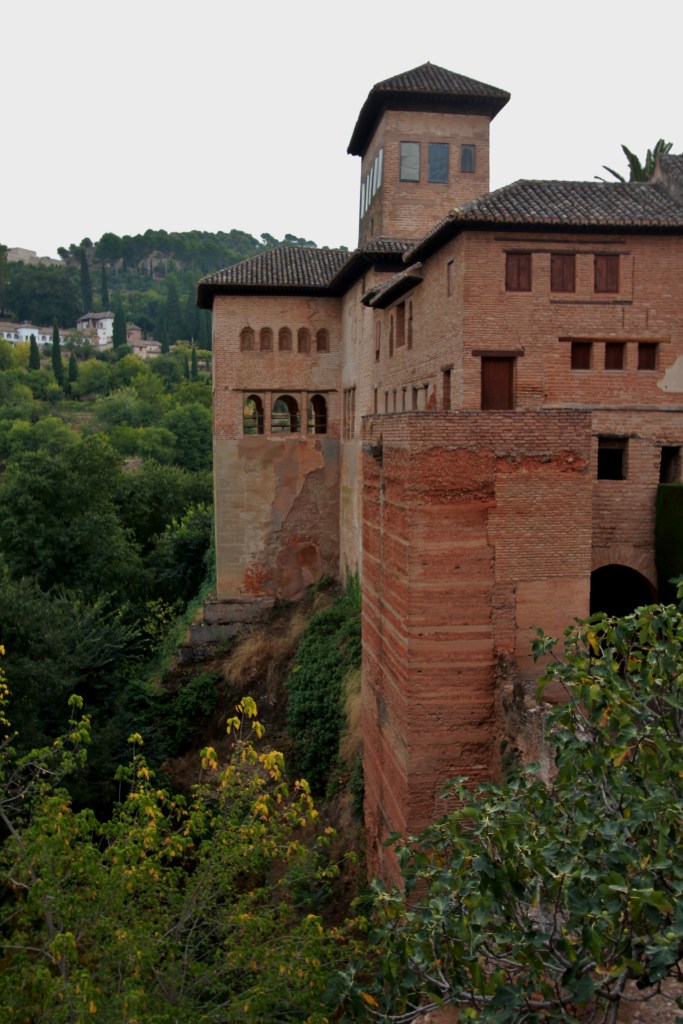
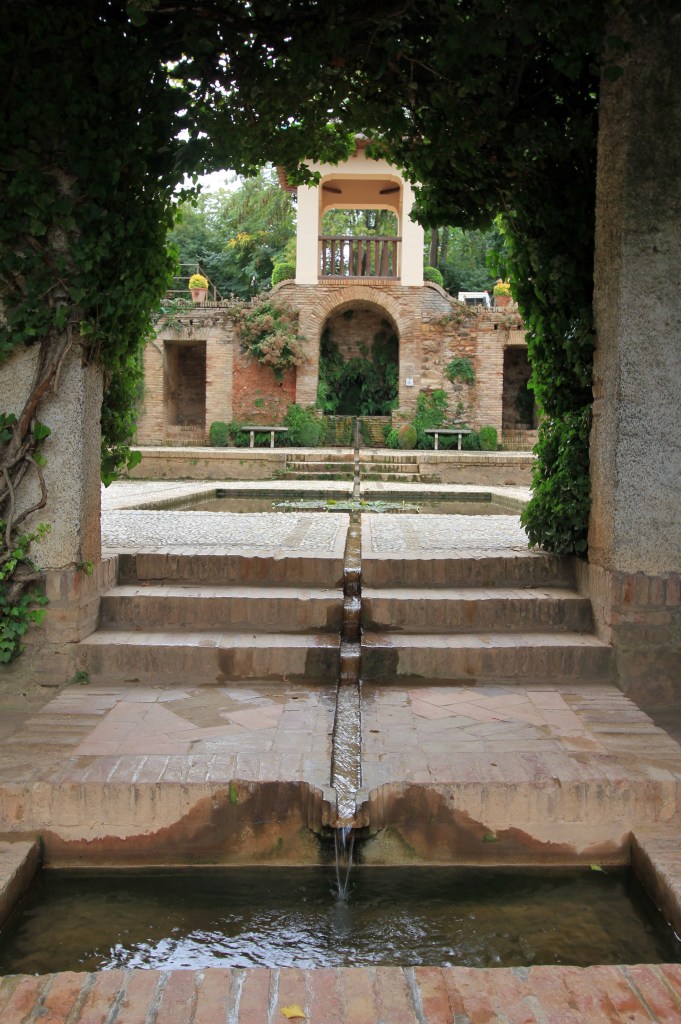
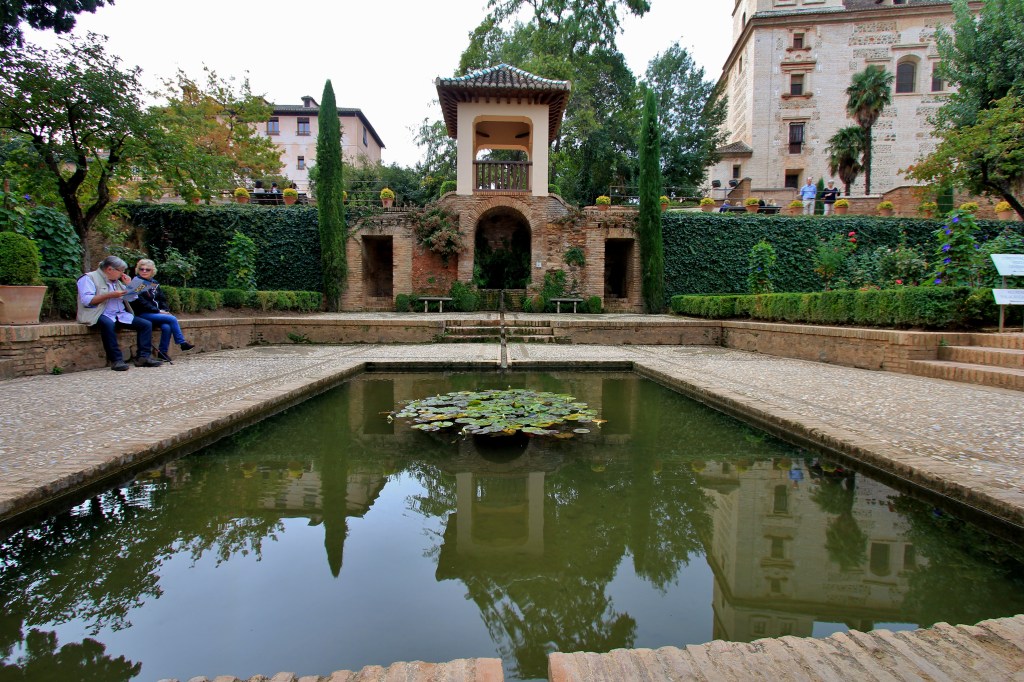
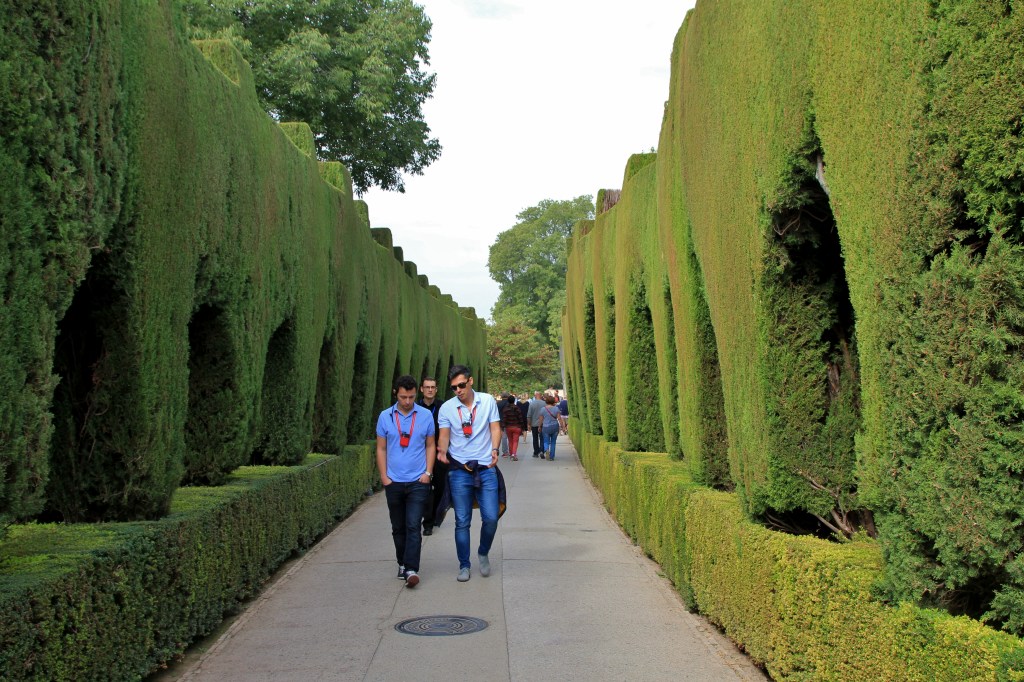
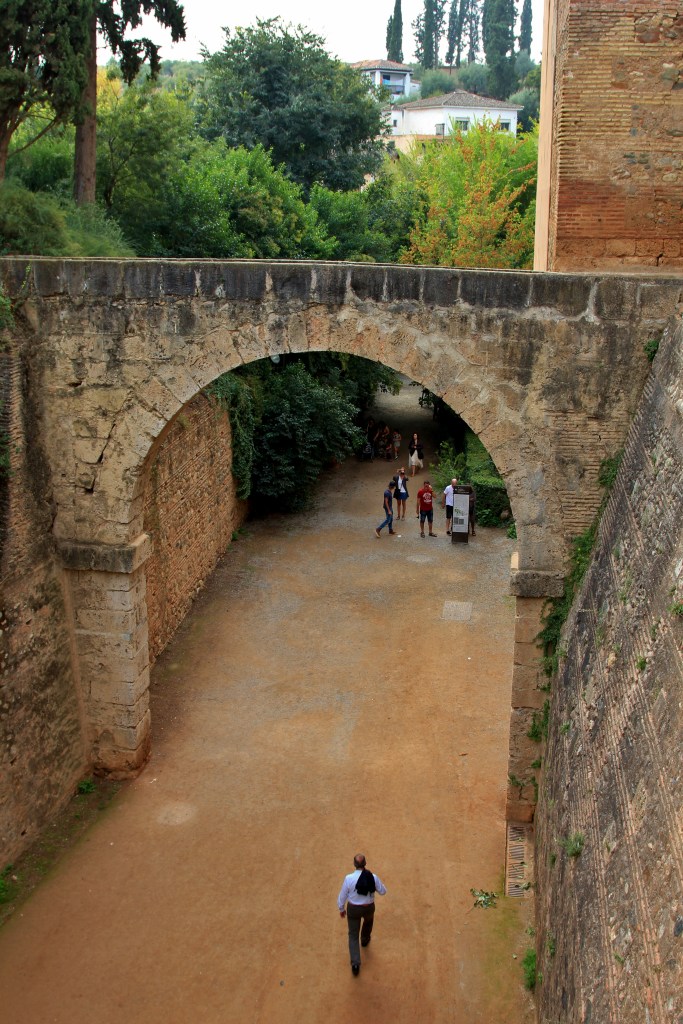
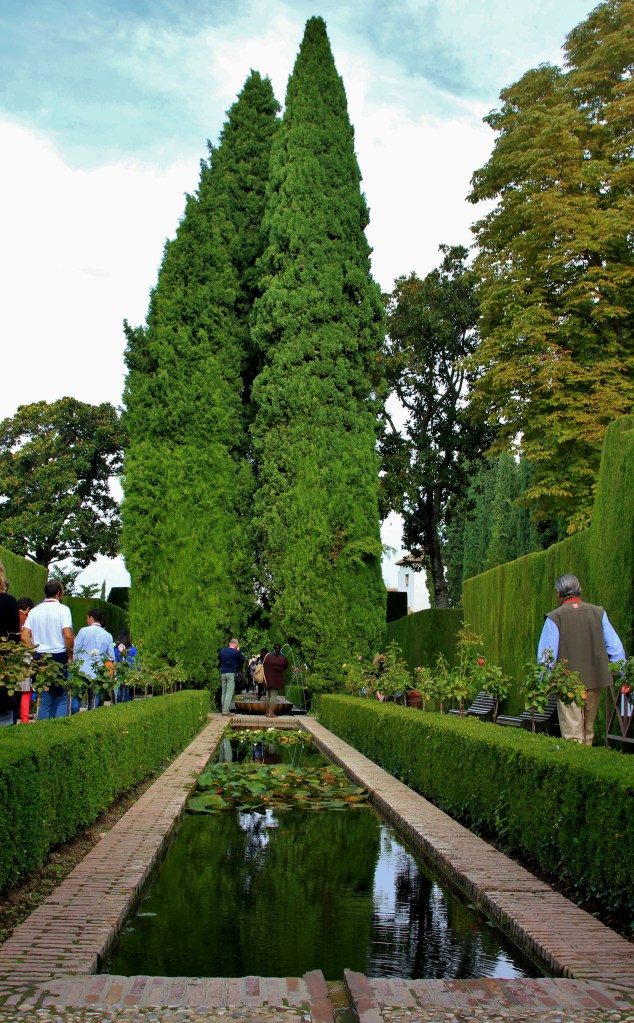
Crossing the bridge we entered the Generalife Gardens which were thought to be a bit of paradise on earth for the Sultans. The architecture of the gardens while similar to the Alhambra in the water elements was even more lavish with the flowers and plant life.

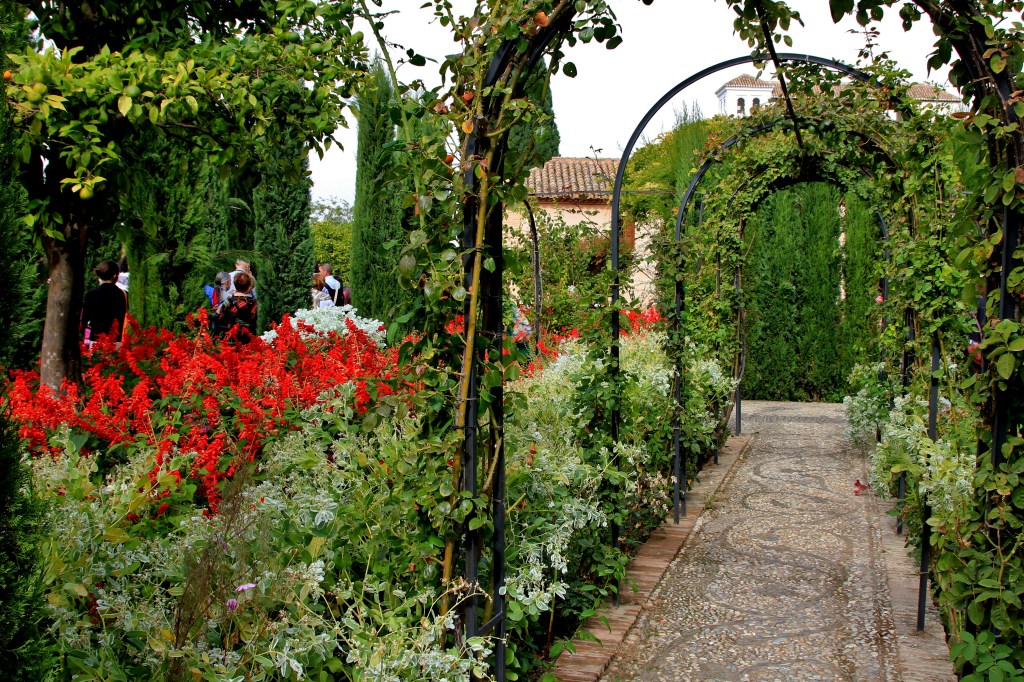
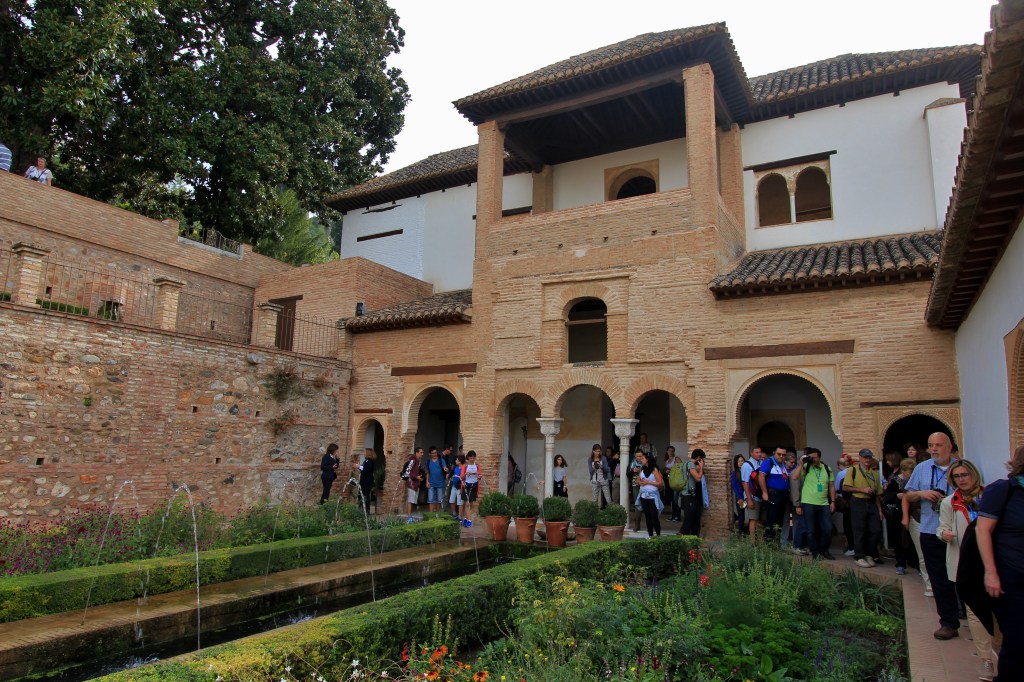
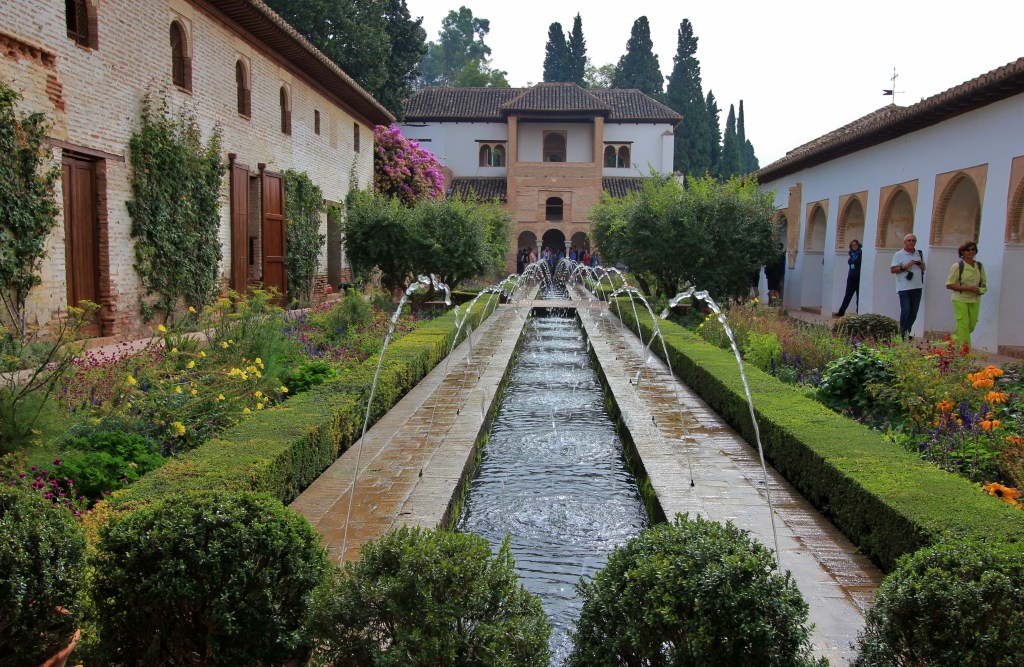
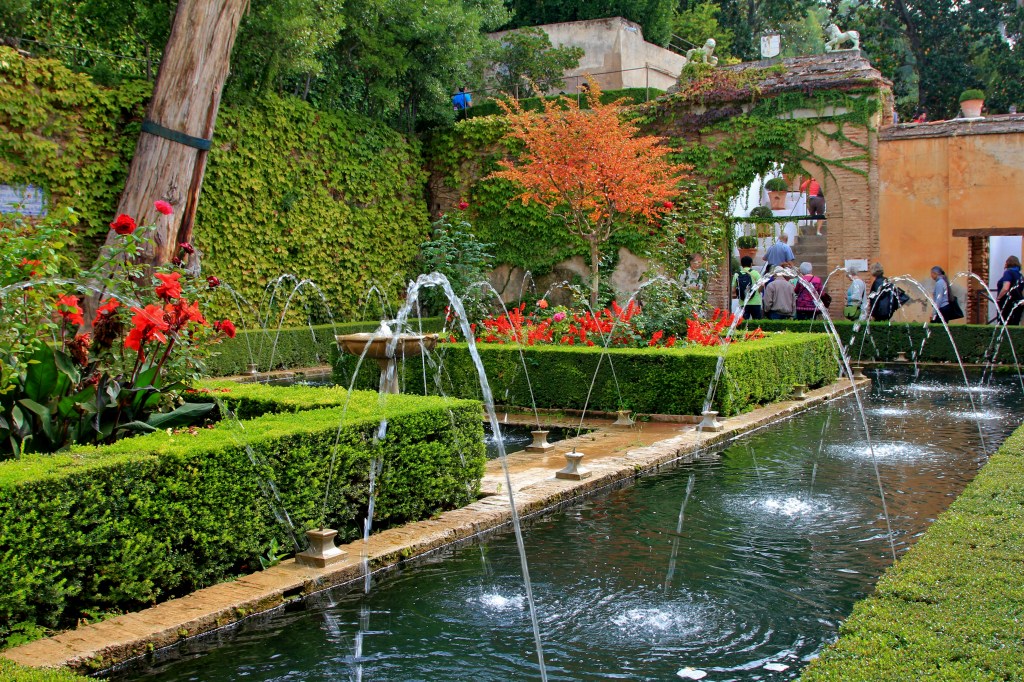
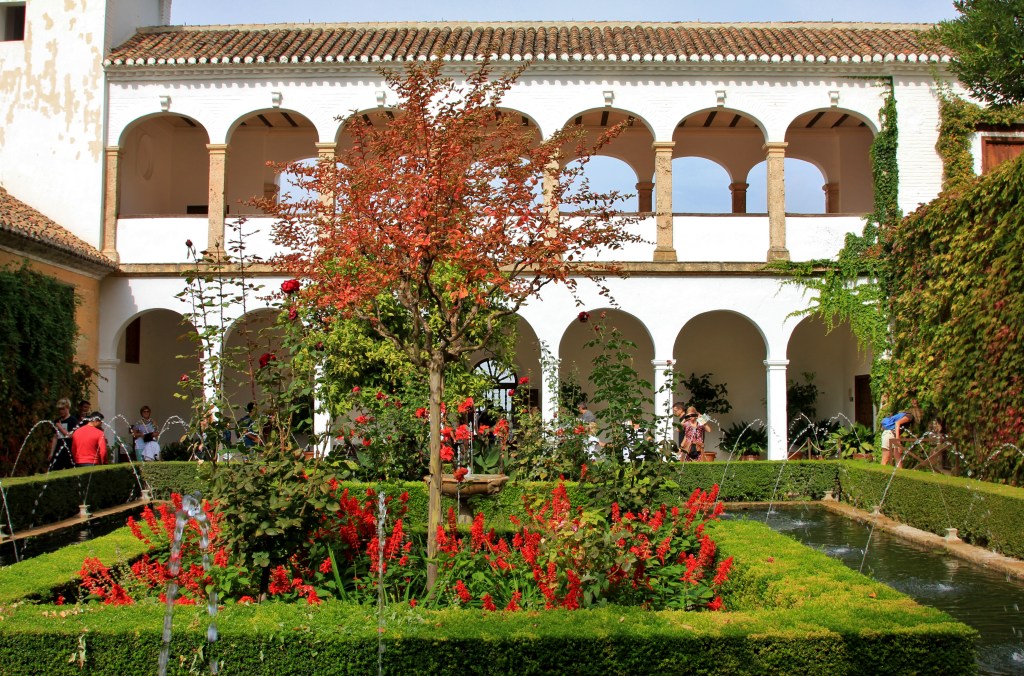
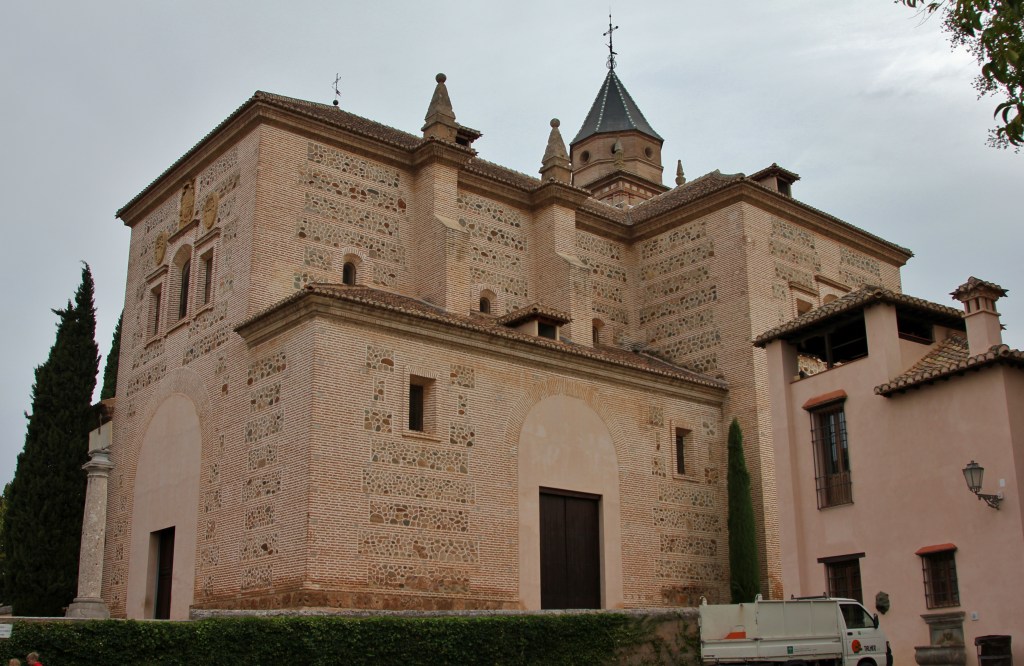
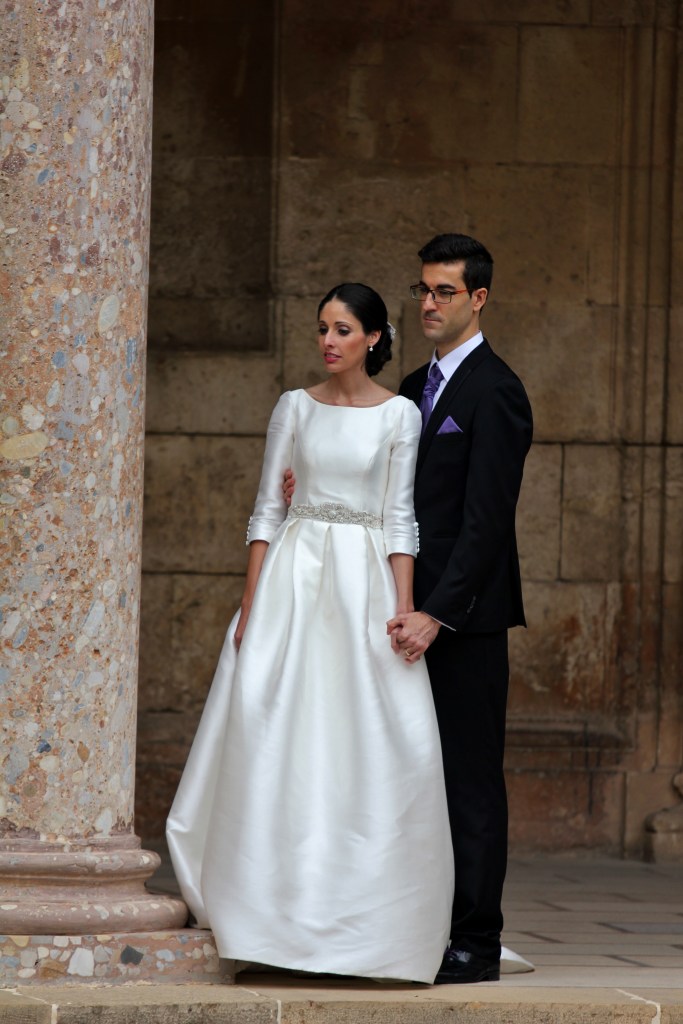
After several battles the Muslim rulers were driving out of Spain during the Christian Reconquista. During 1492 the Alhambra became the Royal Court of Ferdinand and Isabella. This is where Christopher Columbus received the royal endorsement for his expedition to the new world and you can see the tombs of Ferdinand and Isabella in Granada. Lastly, we spend a few moments in the Palace of Carlos V and general grounds. I didn’t get to view the Spanish palaces’ interior but enjoyed viewing a young couple get their wedding pictures taken.


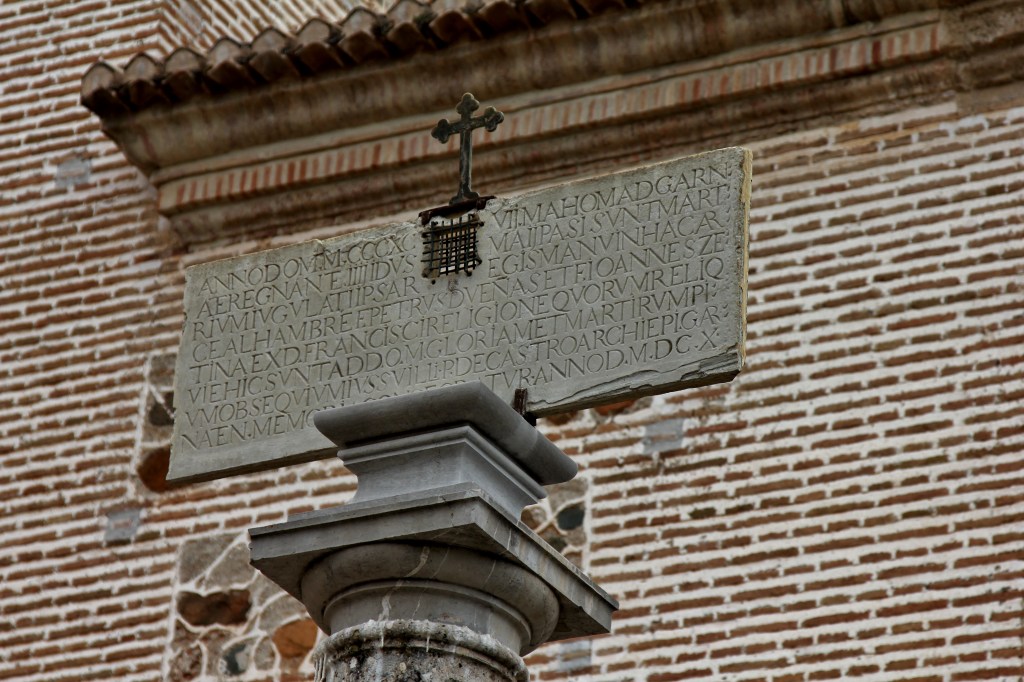
I hoped you liked this little tour of The Alhambra complex and the next time you plan a trip to Spain you think of Grenada and the Alhambra. It is truly worth a visit to explore history. Pictures really can’t capture (at least mine) the beauty of the place, you need to view and experience it with your own eyes. Let me know if you have any suggestions or comments.
 The Sane Adventurer
Leave a comment