What is the best camera to take on vacation? Typically, it is the one you have, not the one you don’t. Of course, there is no right answer to this question and yet a multitude of opinions. I remind people of a few basic questions to ask:
- What are you looking to take photos of? Wide angle lenses are great for cities, whereas my friend that shoots wildlife and loves his 100-400mm zoom. A standard 35 -105 mm (or there about) zoom lens is a great starting place, then branch out into whatever tickles your fancy.
- What is your photography budget? You can’t go wrong even with a cell phone today. But you can take even better photos, if you are willing and able to move up to DSLR.
- Are you willing to carry your photographic gear around? This is very real. Cameras are heavy (especially with them around your neck all day) and you need to keep track of them. If you don’t want to lug a big camera around, then don’t buy one. I have many friends whose DSLR’s sit on the shelf and they simply use their cell phones when taking photos. They might as well sell their DSLR or use it for a door stop.
- Are you looking to capture any special photographic shots? If you are looking for action video then a GoPro may make sense for you. If time-lapse photography is your thing then making sure the camera has an intervalometer is crucial. Close up photography necessitates macro lenses. As with all things, planning and knowing what you like is key. Photography stores and clubs love to help.
What main camera components make for a good photo?
Sensor size – this is analogous to the size of the film in older cameras. A large format 8” x 10” camera like that which Ansel Adams used to photograph Yosemite captured a tremendous amount of detail whereas a 110 camera taking the same picture with similar film would not be as detailed. Especially when the image was enlarged.
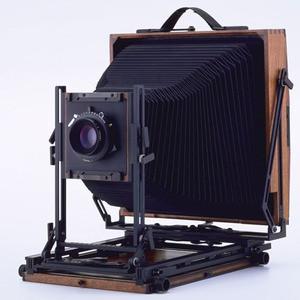
The Film (sensor) is huge on a 8 x 10 camera 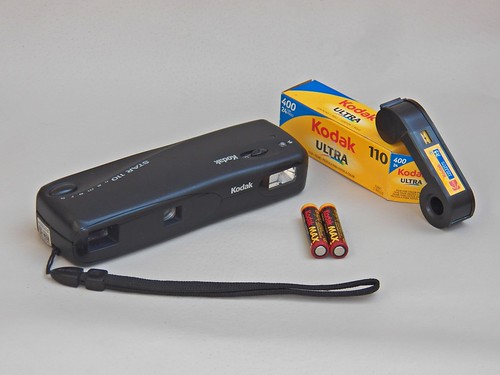
A 110 camera film is slightly larger than your cell phone.
This is analogous to a camera phone with its small sensor taking as good an image as a 35 mm DSLR…it just won’t happen. Camera phones have come a long way and if that is what you have (and many people do) then they work fine. Today’s phone cameras have lots of options and are always at the ready, so use them! I know many professionals that still take photos with cell phones, but for important shots they use their DSLR.
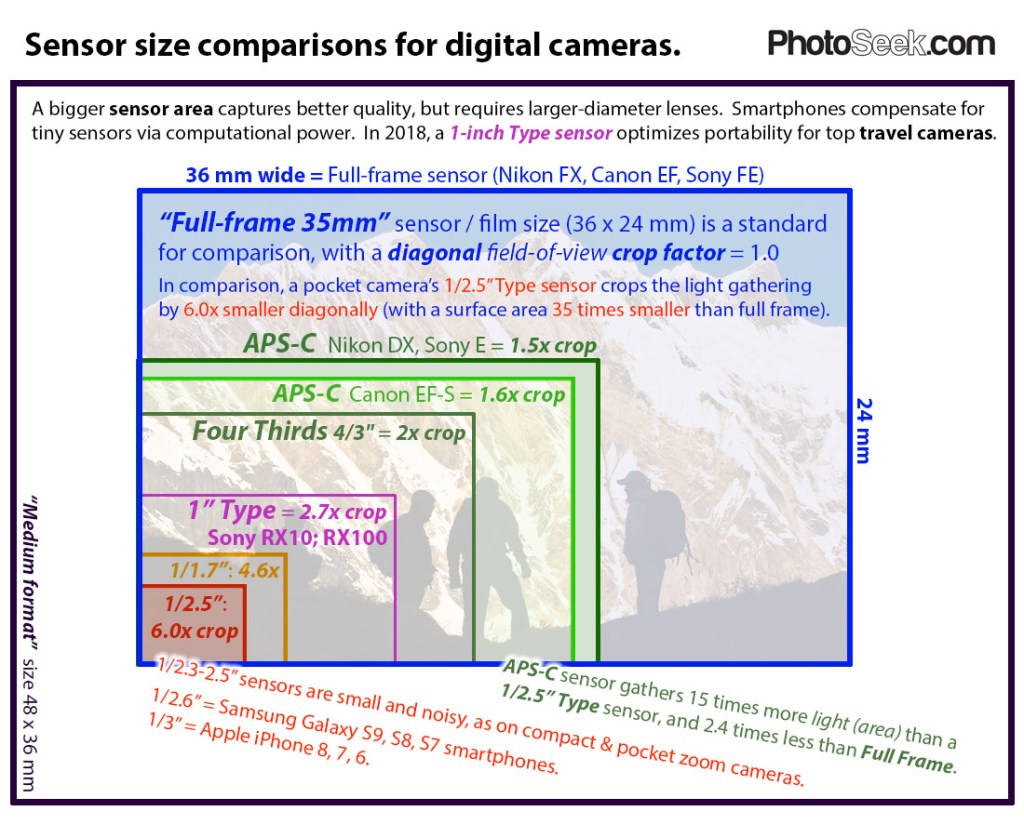
Pixel Count – This is the big buzz word and it seems that the more megapixels the better…well yes and no. Yes, more megapixels capture more information; however, if the megapixels are crammed into a small area they may not be seeing their own unique information. Sometimes sensors can get noise from their neighbors and it can result in photographic distortion. This noise is frequently seen in low light situations where the sensitivity of the sensors is turned up. They become so sensitive in low light that some can inadvertently activate and can be seen as a “fuzzy” picture. For a more in depth look at megapixels check this out! https://techforanyone.com/megapixels-dont-matter-cameras/
Lens Quality – The lens of a camera allows focus’ the image onto the sensor. Unfortunately, a lens is like a prism and light passing through the lens can cause color issues especially at the edges of the picture where the lens bends the light more. Higher quality lenses add multiple pieces of glass and special coatings to correct for color aberrations and fringing. Lenses also allow for zooming, wide angles and portraiture without any loss of pixels.
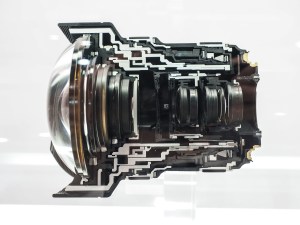
Remember when you digitally zoom with a cell phone you are actually enlarging the picture the camera sees which decreases the number of pixels used. Thus, digital zooming degrades an image. However, with a DSLR you use a lens to zoom and not change your pixel count keeping the image sharp. Most DSLR’s brands have their “normal” lenses and then make Professional grade lenses that are weather resistant, have special glass and coatings and usually have a higher price tag.
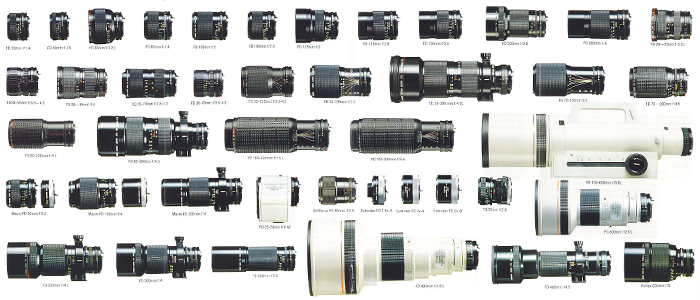
These are the older Canon FD lenses with most manual focus 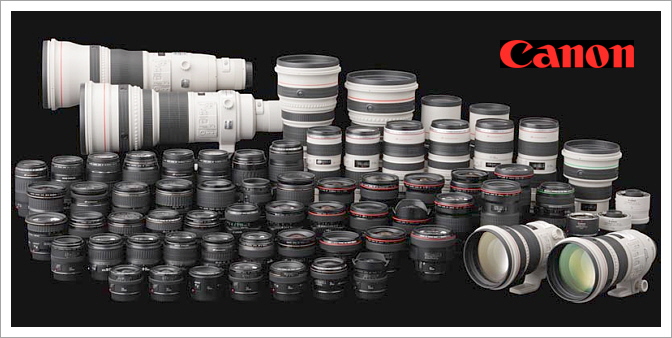
The updated Canon EF lenses which employ autofocus and more!
Video Capability – OK…this isn’t really related to photos but taking video and posting it is in-vogue. Today HD video is on many phones and DSLRs and some even come with 4K video (for and extra price). These features are becoming more essential as we increase our bandwidth and are living in the YouTube era. Your camera sensor can work double duty and capture video for those special moments. However, if you shoot a lot of video you may want to invest in a microphone for better sound quality.
Other aspects – There are other aspects to picking out a good camera but shutter speed, aperture, sensor ISO levels, frames per second and other topics while very important are likely of secondary consideration.
My gear?
I carry my iPhone for impromptu shots or grabbing that shot of a special meal, the ubiquitous selfie and especially when I don’t have my DSLR handy. My DSLR package is really about traveling light. I am usually on a business trip or traveling with family on tours. I have limited amount of time and simply need to grab the best shot I can and keep moving. So, I don’t carry a backpack full of gear, tripods and accessories. However, I do try to plan on what I may need and have it ready, but even this is really focused on various filters and my external flash. I carry three main lenses.
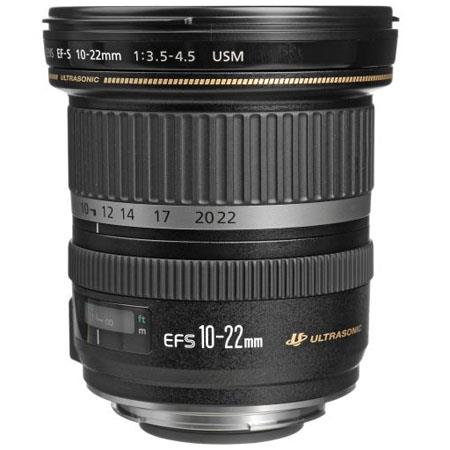
EFS 10-22 mm F3.5-4.5 super wide angle lens – This is my go-to lens for most city tours. I like the big wide angle so I can be close to my target and still get the whole thing in the frame. This is true of churches, castles, interior rooms, big groups of people and landscapes. When most people with phones or “typical” lenses are backing up to try to capture the whole image I am usually moving in. The only downside to a wide angle is you do see some curving of the image near the edges of the picture. Big Ben isn’t really curved but without this lens I couldn’t get him and all of Westminster in one shot from where I was standing.
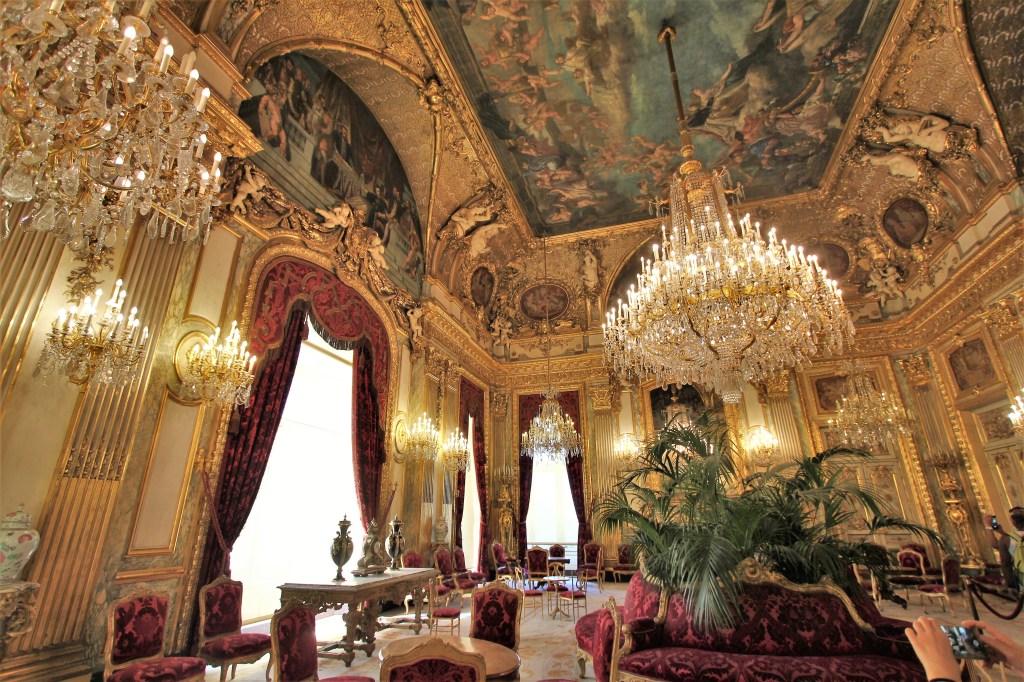
The Louvre in Paris, France 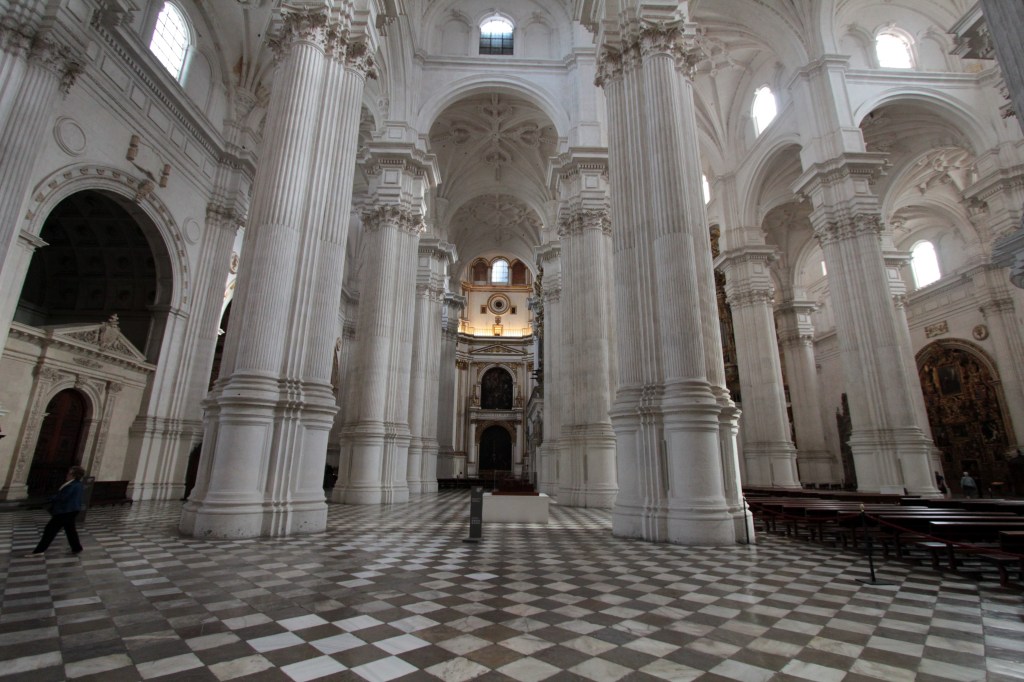
Cathedral in Granada, Spain 
Tower of London 
Segovia, Spain

EF 24-105 mm F4 L zoom lens – This is a great lens as it is wide angle and zooms to telephoto. I would say this is my portraiture lens for taking family photos, landscapes, and is the lens I keep on my camera body most of the time. While you can buy a lens that is better in low light than this one, it likely won’t have the range of this one. Many camera kits have a medium range zoom sort of like this one.

Segovia, Spain 
Madrid, Spain 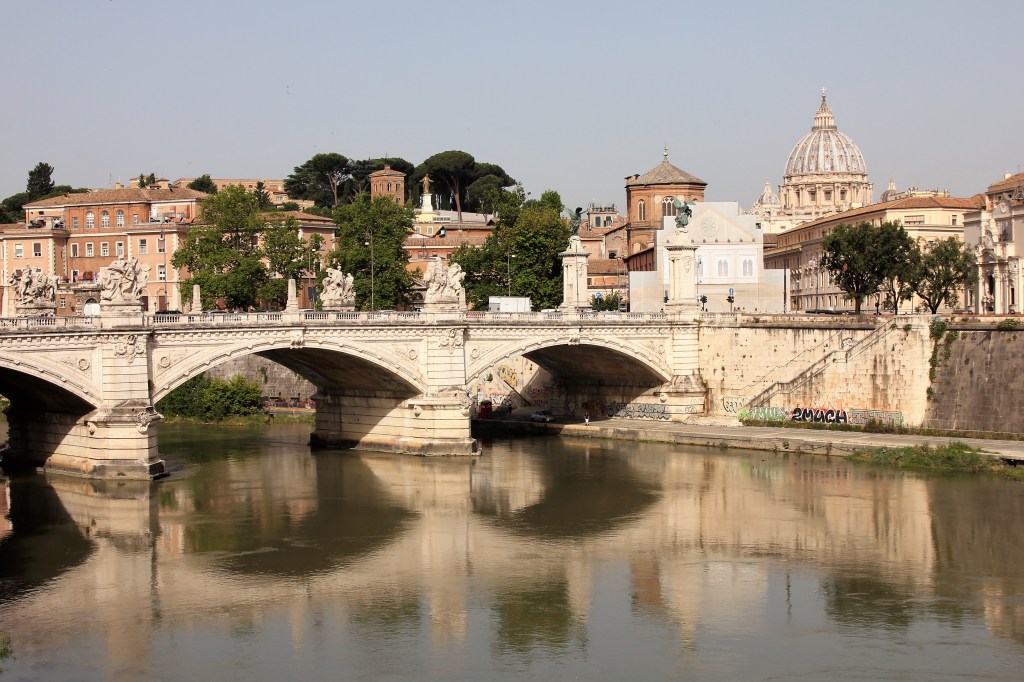
Rome, Italy 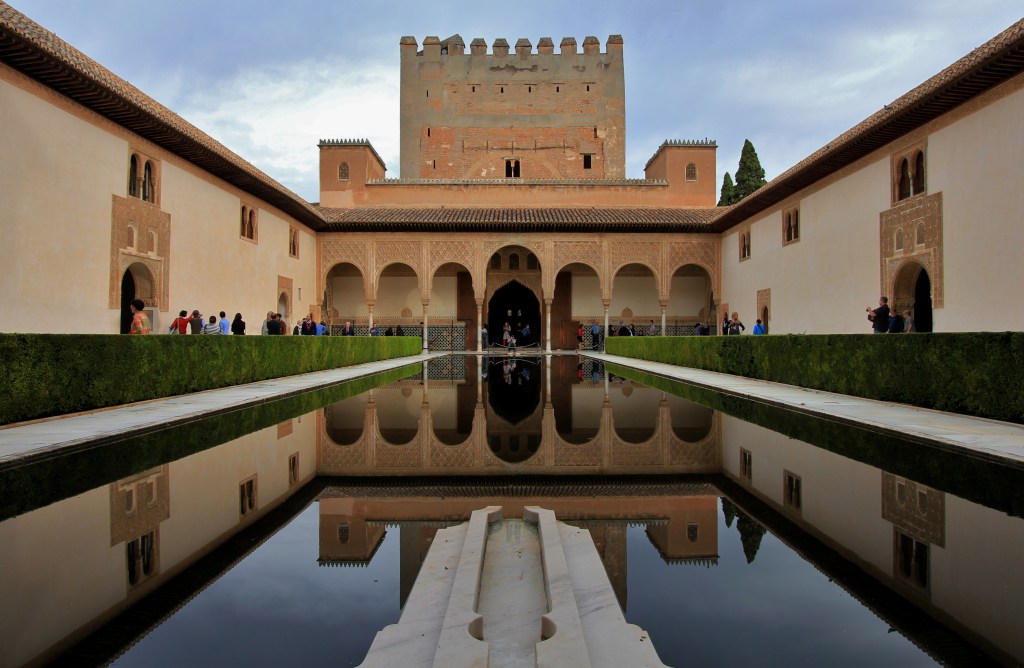
Alhambra in Granada, Spain
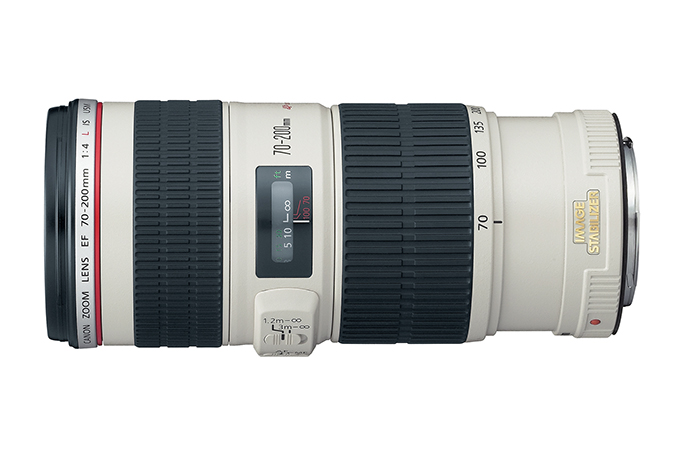
EF 70-200 mm F4 IS L lens – This lens is my bigger zoom. I use it when I want to hide a bit and capture my son or daughters unaware. While it is nice to see pictures of smiling people, often the most evocative images are those where someone isn’t smiling but lost in their own world. This lens lets me do that. Also, it lets me get closer to the action. When I go to concerts, I don’t typically have a front row seat so having a good zoom lens provides me with great memories. Many people might spring more money for the F2.8 lens for increased light gathering and better depth of field but the F2.8 is 50% more expensive and would require a backpack to carry around the city. I didn’t want the weight, size or to be that obvious to pickpockets.




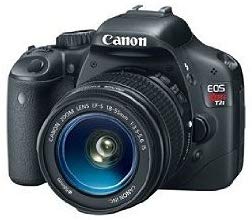
Canon T2i body – I purchased this body 8 years ago and it has been a workhorse. It has 18 mega-pixels and an APS-C sized sensor. It captures HD video and will shoot 5 frames per second for capturing those high speeds shots. It is a good camera for Amateur photographers yet still has some nice professional attributes. While it still works fine, time has marched on and I am now looking at the new Canon 90D with 32 mega-pixels, 10 frames per second bursts and 4K video. The nice thing is that all the above lenses and my external flash will work perfectly on the 90D. If anyone at Canon is reading this, I am happy to trial a Canon 90D for the next 8 years!
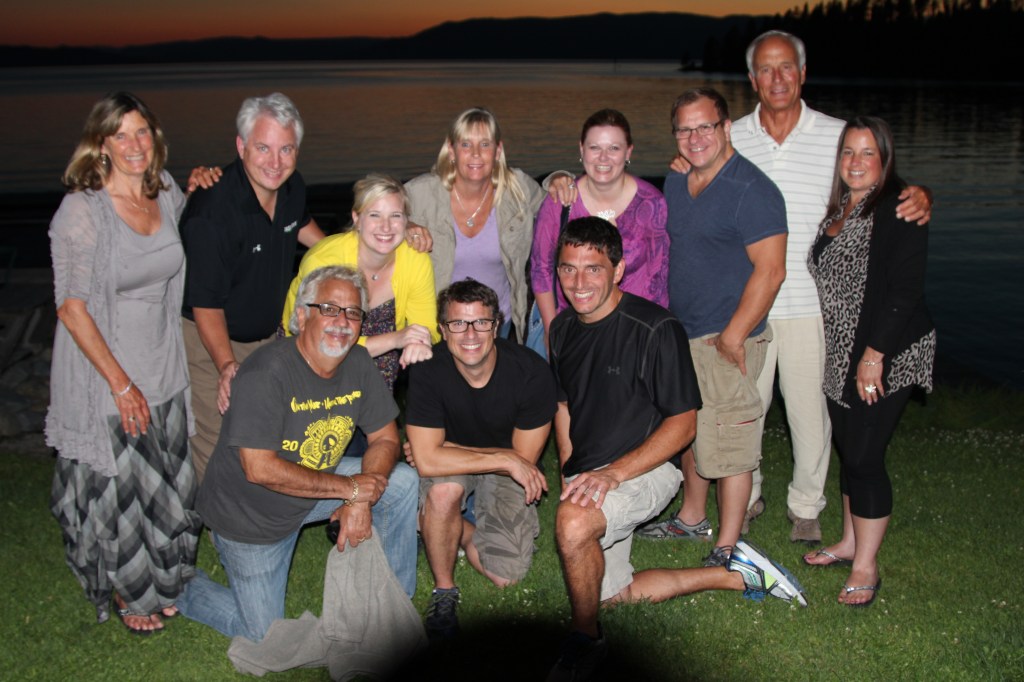
External Flash – While most DSLR’s now have a pop-up flash they sometimes don’t work well. Especially when shooting wide angle, you can actually see that the flash missed part of the picture (see black ring on lower part of picture). So, buying an external flash is important. A big side benefit is that in low light settings the flash actually helps the camera focus using its infrared sensor. If you have ever had an autofocus “hunt” for the image to focus on in low light this will help.
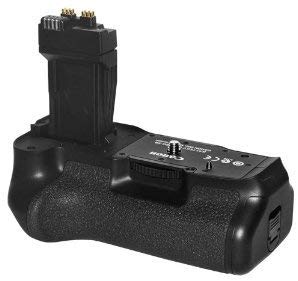
Accessories – If you have read some of my other blogs you know that I hate to be caught without battery power so I did get a battery pack which doubles the number of shots I can take before the batteries die. Finally, I carry a rain cover for my camera at all times. I have only used it 1-2 times, but water and electronics don’t mix.
All my gear fits into a Case Logic shoulder bag. This shoulder bag also fits inside my backpack that I use to carry my laptop, headphones, etc. on the plane. I don’t want to carry a camera backpack PLUS a business backpack. This way I get by with one.
If you have a point-and-shoot camera or a new mirrorless camera, I apologize for not delving into them. This is not really a photography blog but rather trying to provide some camera travel tips and information. I am more than happy for you to add your comments and suggestions or even corrections!



 The Sane Adventurer
Leave a comment